
Gore Vidal: novelist, essayist, and public intellectual
Comprehensive overview of Gore Vidal (1925–2012): his life, major works, public role, sexuality, long partnership, and cultural legacy as an American writer and critic.
Overview
Gore Vidal (Eugene Luther Gore Vidal, October 3, 1925 – July 31, 2012) was an American writer and public intellectual known for novels, essays, plays and sharp political commentary. His career spanned more than six decades and included works of historical fiction, social satire and cultural criticism. Vidal combined literary craft with outspoken opinions that made him a frequent presence in newspapers, magazines and on television.
Image gallery
10 Images



Major works and themes
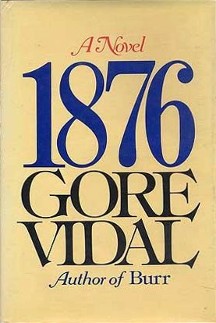
Vidal wrote both mainstream and controversial books that explored power, sex and American history. Notable novels include The City and the Pillar, which addressed homosexuality in mid‑20th century fiction, the satirical Myra Breckinridge, and a series of historical novels such as Burr and Lincoln that reexamine the nation’s political past. He also published collections of essays and criticism that mixed cultural observation with polemic.
- Novels and fiction—range from social realism to speculative satire
- Historical fiction—recreations of early American politics and personalities
- Essays and criticism—essays on culture, politics and literature
Public life and controversies
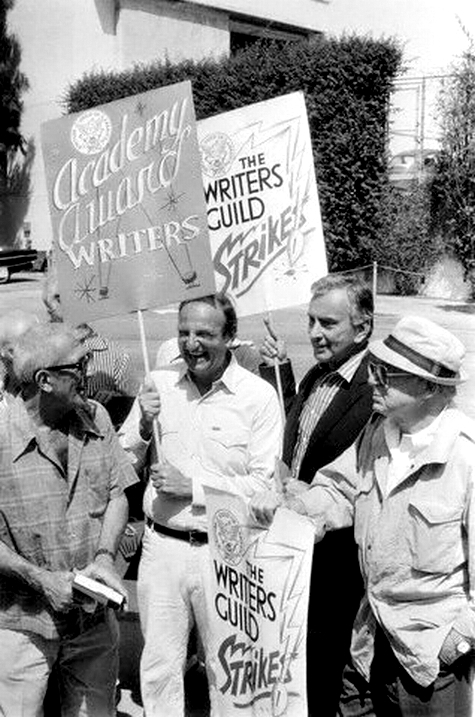
Vidal was as well known for his public persona as for his books. He engaged in televised debates and public feuds with other intellectuals and commentators, and he repeatedly criticized U.S. foreign policy, the role of religion in politics and the concentration of wealth and influence. His candor and caustic wit generated both admiration and controversy, and he remained an influential voice on the American cultural scene.
Personal life
Born at the United States Military Academy at West Point into a family with political and military connections, Vidal spent much of his life in New York and California. Openly bisexual, he wrote frankly about sexuality at a time when that was uncommon in mainstream letters. He lived for more than fifty years with his companion Howard Austen; Austen died in 2003 and Vidal later described their relationship in interviews. Vidal himself died of complications from pneumonia in the Hollywood Hills area of Los Angeles on July 31, 2012.
For further reading on his life and work see biographies and collected essays: biographical summaries, interviews and archival materials preserved at select libraries and institutions (research guides).
Legacy and significance
Gore Vidal's influence lies in the combination of literary accomplishment and public engagement. His historical novels invited readers to reconsider accepted narratives of American history; his essays shaped debates about culture and politics; and his outspoken identity and early treatments of gay themes widened the scope of American fiction. Scholars and readers continue to debate his place in 20th‑century letters and his role as a provocateur and critic.
Useful starting points for exploring Vidal's work include collections of his essays, selected novels and recorded interviews. Additional resources and bibliographies can be consulted through online library catalogues and specialized literary archives, curated exhibitions (exhibition guides) and annotated reading lists (reading lists, further resources).
Related articles
Author
AlegsaOnline.com Gore Vidal: novelist, essayist, and public intellectual Leandro Alegsa
URL: https://en.alegsaonline.com/art/39770
Sources
- commons.wikimedia.org : Gore Vidal
- telegraph.co.uk : Telegraph obituary