
Goldsmith: craft, history, techniques and modern practice
Goldsmiths design and make objects from gold and other precious metals. This article covers materials, methods, history, uses, and how the craft is learned and practised today.
A goldsmith is a skilled craftsperson who shapes gold and other precious metals into functional, decorative, or ceremonial objects. Traditionally associated with jewelry, goldsmithing also produces hollowware, religious items, coins and small sculptures. The choice of metal, purity, surface finish and setting methods determine the character and value of the finished piece. For background on the primary material see gold and for related alloys and metals see precious metals.
Image gallery
10 Images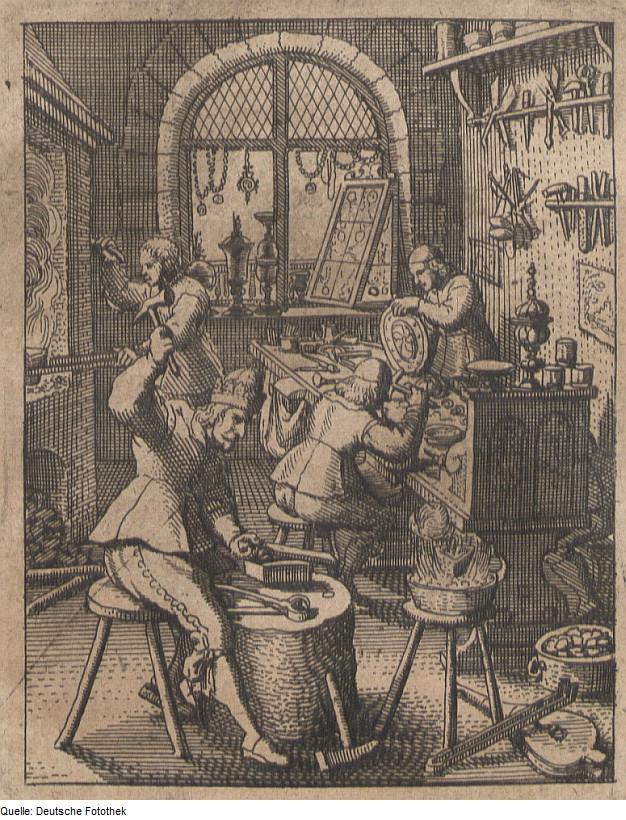





Materials and characteristics
Gold is valued for its ductility, resistance to tarnish and bright color; alloys and surface treatments alter hardness and hue. Goldsmiths commonly work with karat gold, silver, platinum and other alloys. Gemstones, enamel, and inlay are often combined with metalwork. Understanding metallurgy—how heating, hammering and joining change structure—is central to producing durable, well-finished objects.
Common techniques and tools
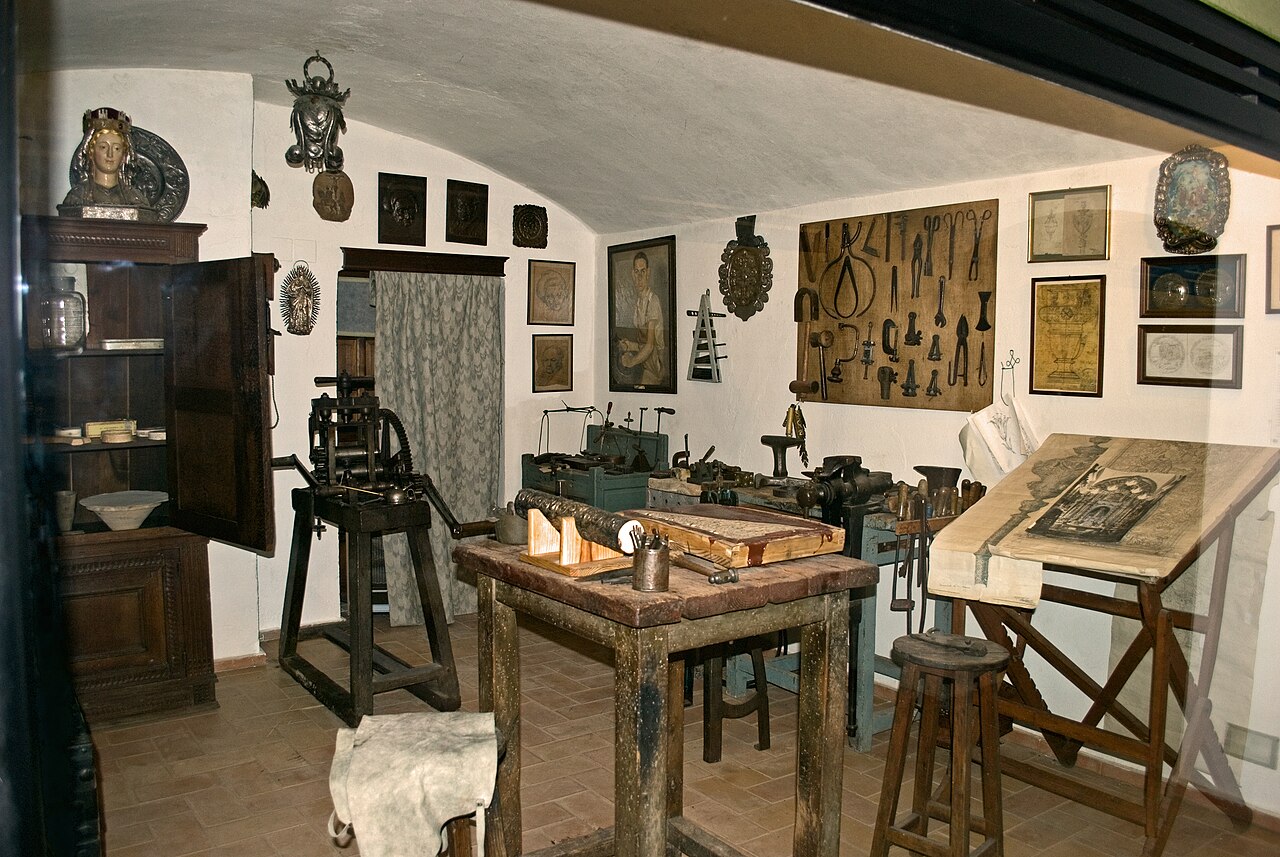
Goldsmithing relies on a mix of hand tools and heat processes. Techniques used across cultures include:
- Soldering and joining for assembling parts; see soldering.
- Sawing and piercing to cut sheet and plate; see sawing.
- Forging and raising to shape hollow forms by hammering.
- Casting, such as lost-wax casting, to reproduce complex shapes; see casting.
- Polishing, engraving and stone-setting to finish surfaces and add decoration.
History and cultural role
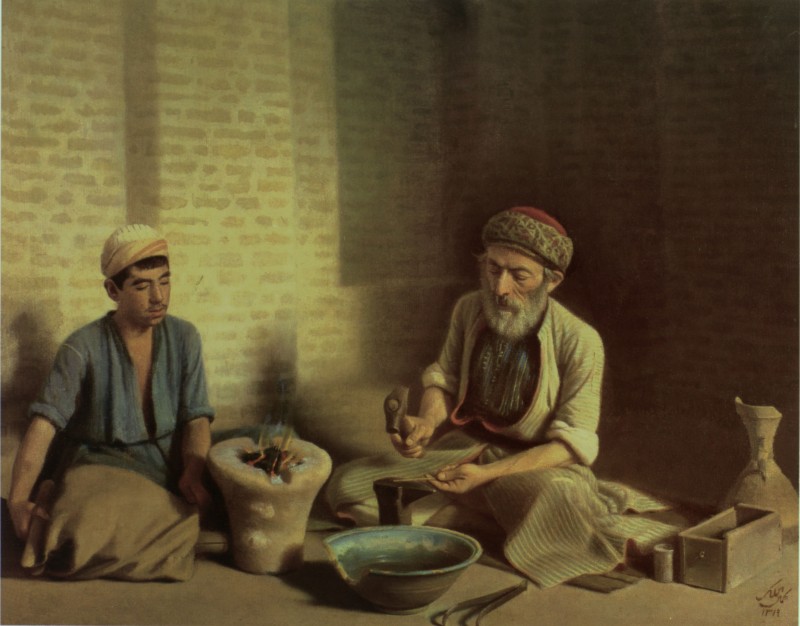
Goldsmithing is among the world’s oldest metal arts. Archaeological finds indicate advanced gold work in ancient Mesopotamia and Egypt; for example, ancient Sumerians crafted bowls and ornaments about five thousand years ago, and surviving bowls and jewelry attest to long-standing technical skill. Across regions and eras gold objects have had economic, social and religious significance: many cultures used gold for ritual items and offerings (see religious contexts), and in medieval Europe guilds of goldsmiths controlled standards and trade, sometimes extending credit and banking functions.
Uses, importance and distinctions
Goldsmiths produce wearable art, heirloom pieces, liturgical objects and bespoke commissions. Distinct from silversmiths or general metalsmiths, goldsmiths specialize in techniques suited to softer, often more valuable metals and the fine detail required for gem setting. Their work bridges applied craft, design and small-scale manufacturing.
Training and modern practice
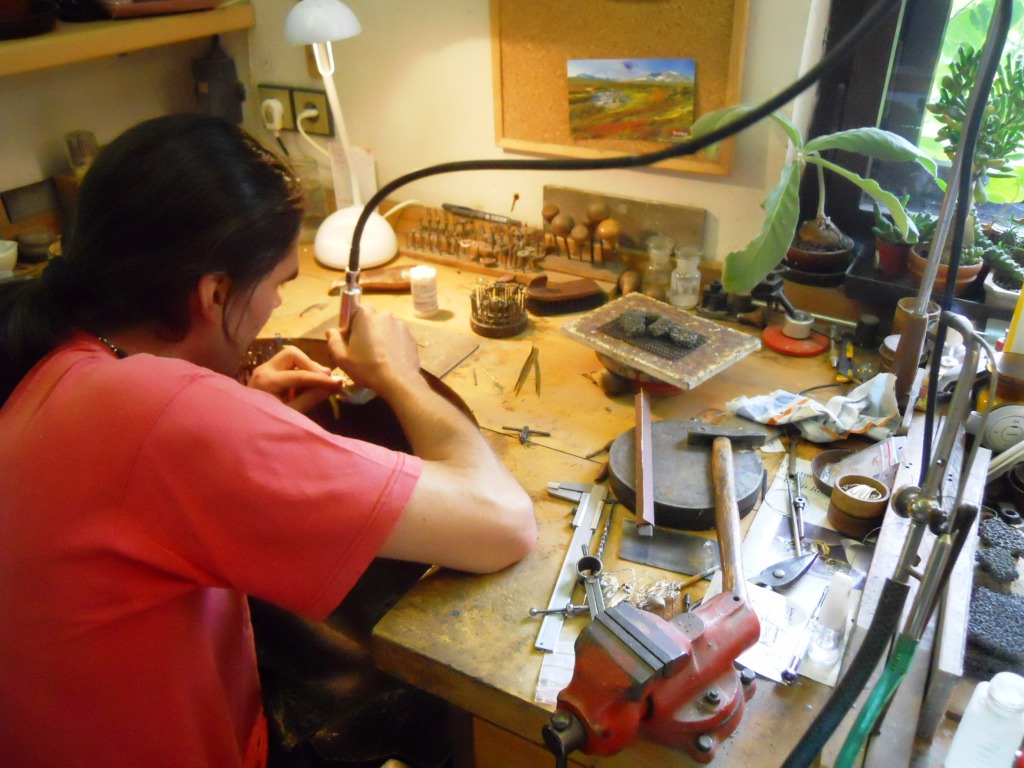
Traditionally the craft was transmitted through apprenticeship inside workshops. Today formal instruction is available at jewelry arts schools and technical programs, while many practitioners still learn through mentorship and studio residencies. Contemporary goldsmiths combine hand skills with technologies such as CAD and micro-casting to expand design possibilities while maintaining traditional techniques.
For further reading about materials, methods and historical examples, consult specialized texts and museum collections that document the global development of goldsmithing and its role in art, commerce and ritual.
Related articles
Author
AlegsaOnline.com Goldsmith: craft, history, techniques and modern practice Leandro Alegsa
URL: https://en.alegsaonline.com/art/39540