
Soldering: techniques, materials, tools and applications
Soldering is a metal-joining process that uses a low‑melting filler (solder) and flux. This article explains methods, materials, tools, history, common applications, differences from brazing and safety practices.
Soldering is a method for joining two or more metal parts by melting a filler metal—commonly called solder—into the joint. The base pieces are heated without melting their bulk, while the solder liquefies, wets the surfaces, and solidifies to form a mechanical and often electrical bond. Typical soldering for consumer electronics and hobby work is soft soldering, defined by filler alloys that melt below 400°C; higher-temperature methods such as brazing are related but use different alloys and stronger joints.
Image gallery
10 Images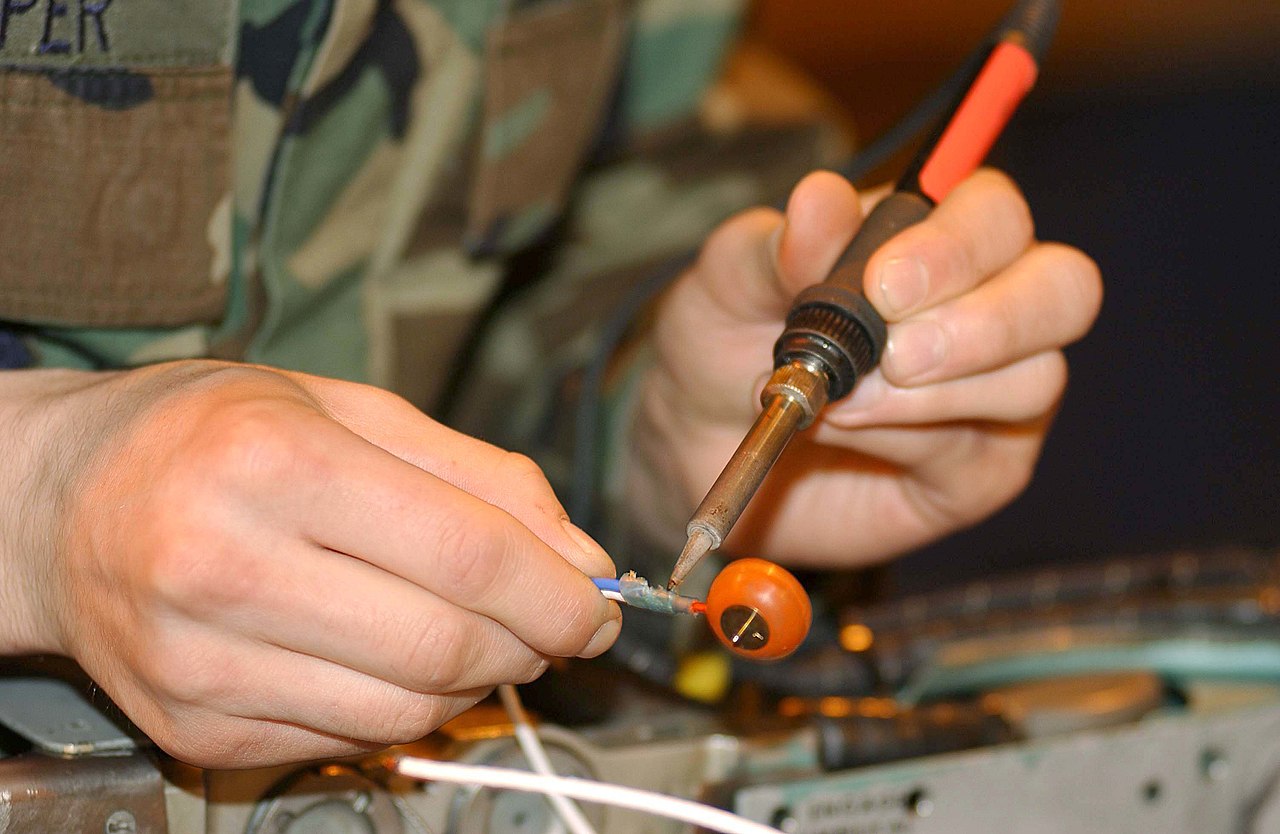





Materials and how they work
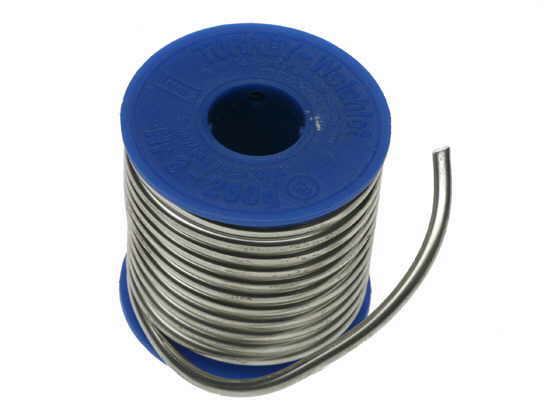
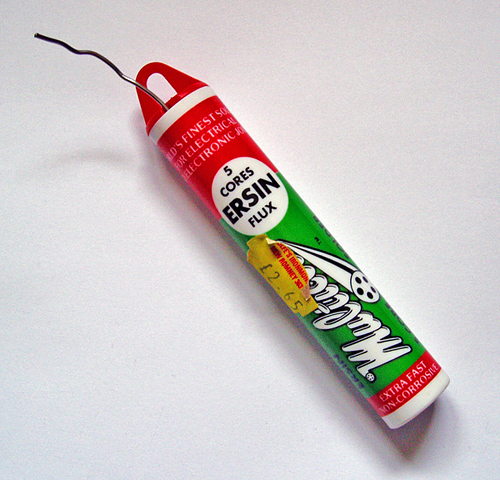
Solder alloys are most often tin-based for modern electronics, sometimes mixed with lead in legacy materials or with silver, copper, or bismuth for lead-free formulations. Flux—an often liquid or paste chemical—removes oxides and surface contamination so molten solder can wet metal surfaces. Electronics-grade fluxes are formulated to leave minimal residue or residues that are nonconductive; plumbing fluxes are more aggressive. The joint quality depends on correct fluxing, clean surfaces and correct solder composition. The concept of a solder's melting behavior and selection relates to its melting point and working temperature.
Tools, supplies and typical technique
Common tools include a temperature-controlled soldering iron or station, solder wire, flux, and aids like the helping hand for holding parts. For through-hole or heavier work, soldering guns or torches are sometimes used; for precision surface-mount work, a hot-air station or reflow oven is common. Typical technique involves heating the parts (not just the solder), applying flux if needed, then touching solder to the joint so it flows and forms a smooth fillet.
- Basic equipment: soldering iron, solder wire, flux, sponge or brass tip cleaner.
- Aids: magnifying tools, clamps, the helping hand, heat sinks for sensitive components.
- Desoldering tools: solder wick (braid), suction pumps and heated desoldering stations.
Desoldering is the reverse process. Solder braid is made from fine copper strands woven into a strip that, when heated, draws molten solder away by capillary action; the wick absorbs solder into its matrix. A mechanical desoldering pump creates suction to remove liquid solder from pads and leads.
History, applications and distinctions
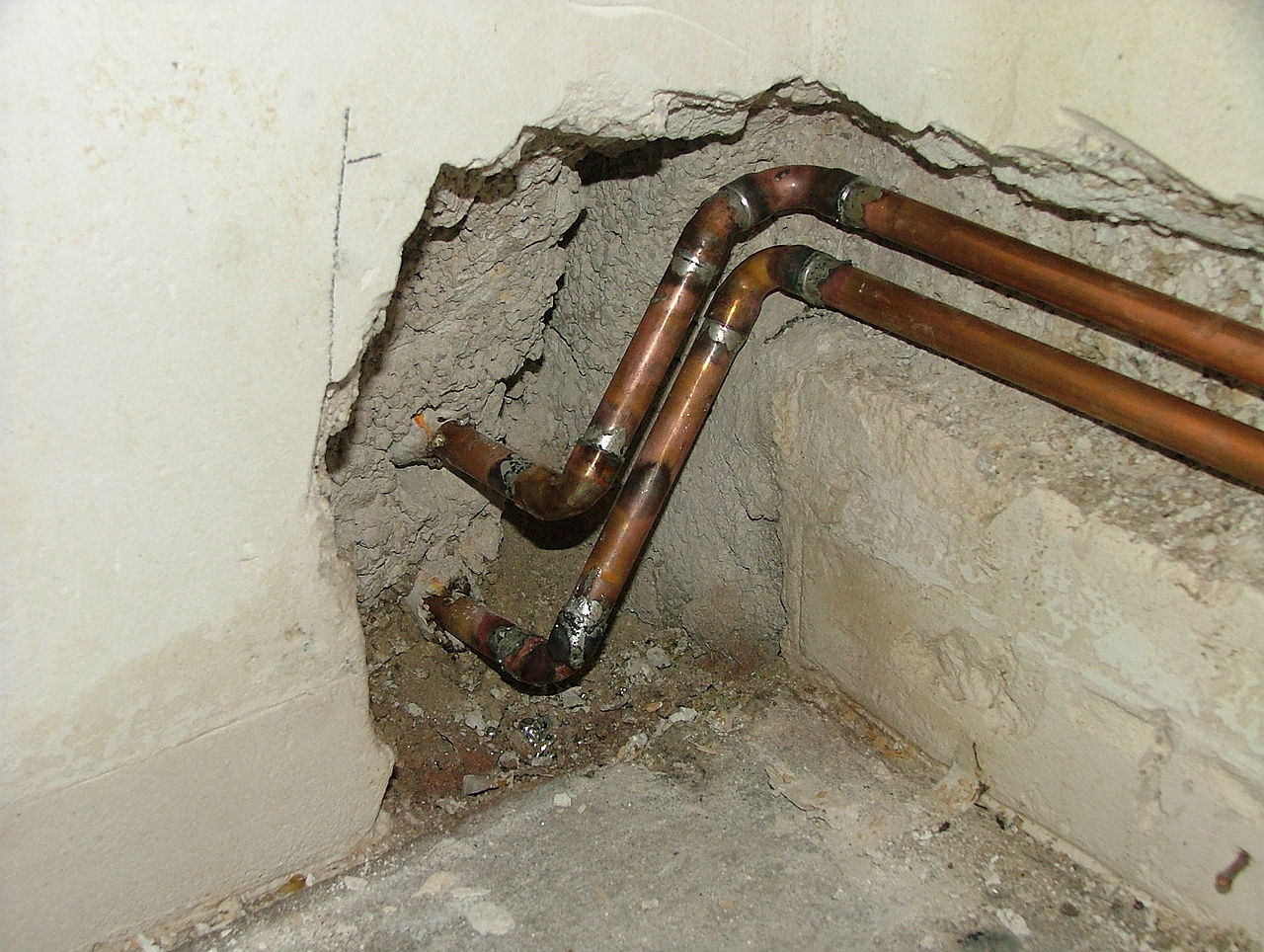
Soldering has ancient roots—archaeological examples show use in jewelry and metalwork—but it became central to electronics with the 20th century rise of consumer devices. Today it appears in circuit board assembly, plumbing (lead-free solder for potable water), stained glass, jewelry repair and metal crafts. Important distinctions: soldering bonds without melting the base metals, brazing uses higher temperatures and stronger alloys, and welding melts the base metals themselves to form a fusion bond.
Safety and best practices
Work in a ventilated area to avoid flux fumes; use fume extraction where possible. Wear eye protection and avoid skin contact with hot tools and molten solder. Clean soldering tips regularly and select the correct tip shape and temperature for the job to prevent cold joints or damaged components. For electronics, choose lead-free or leaded solder according to regulatory and health considerations, and wash hands after handling solder or flux residues.
For further practical guidance on materials, techniques and troubleshooting, consult manufacturers’ datasheets and reputable electronics or metalworking primers (electronics focus), as well as technique resources and tool suppliers (metals, soldering irons, solder, melting point, iron, flux, helping hand, copper, woven, absorb).
Related articles
Author
AlegsaOnline.com Soldering: techniques, materials, tools and applications Leandro Alegsa
URL: https://en.alegsaonline.com/art/91656