
Andria: Italian city in Apulia with historic Castel del Monte
Andria is a city in the Apulia region of southern Italy. Known for medieval architecture, agricultural production and the nearby Castel del Monte, it had a population of about 100,000 in the mid-2010s.
Overview
Andria is a city in southern Italy's Apulia (Puglia) region. It serves as one of the principal urban centres of the province of Barletta-Andria-Trani and had a population of roughly 100,000 inhabitants in the mid-2010s. The city combines an active modern life with a long historical legacy.
Image gallery
7 Images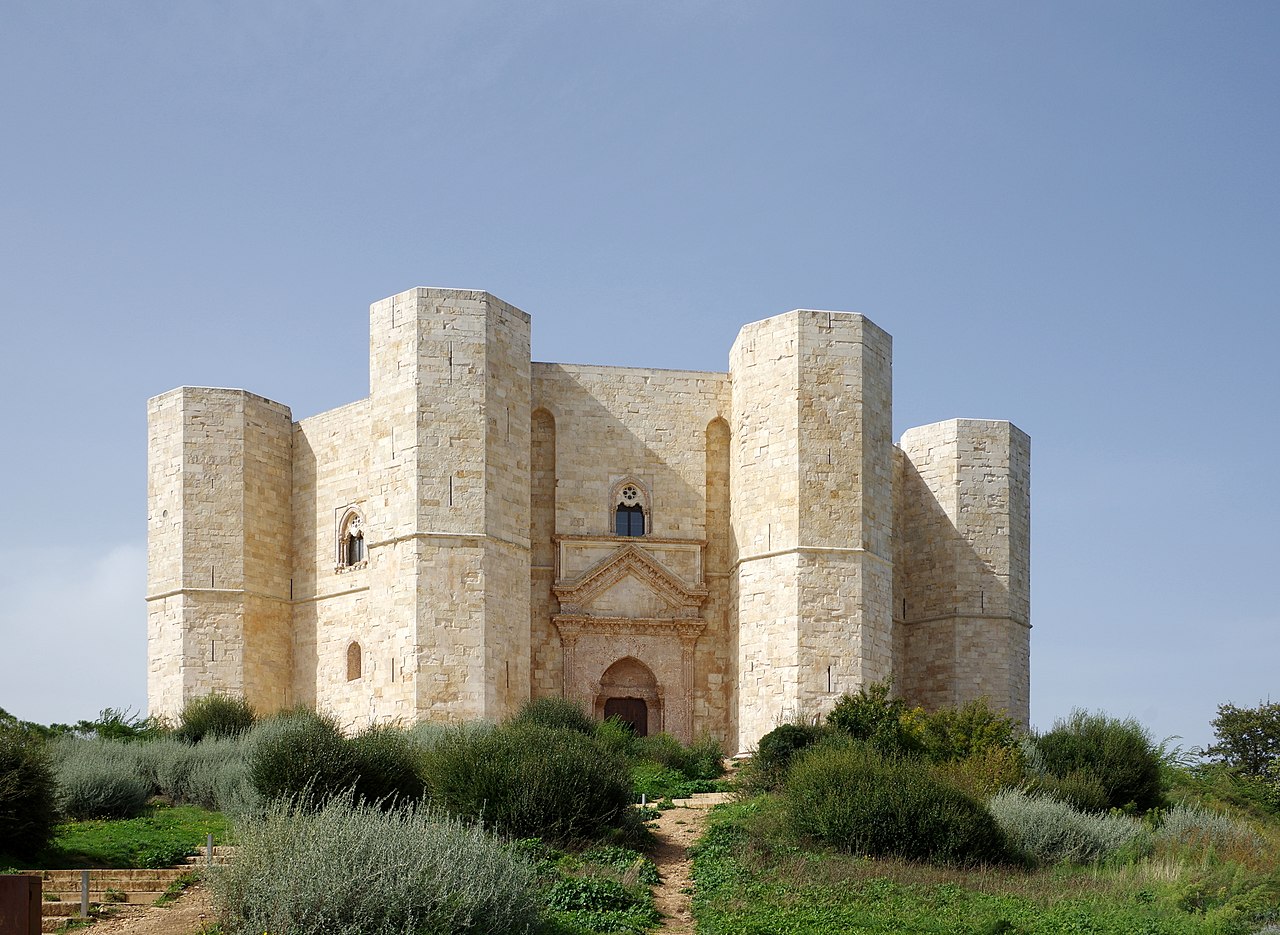


Geography and economy
Located in northern Apulia, a short distance from the Adriatic coast, Andria sits amid olive groves and vineyards that shape the local economy. Agriculture—especially olive oil and wine production—remains important alongside light industry, commerce and services that support the surrounding rural area.
History and development
Andria has ancient and medieval roots, growing through Roman and later Norman influence. The area rose in importance in the Middle Ages and then under the Kingdom of Naples. A dominant medieval and Renaissance presence is visible in its churches, palaces and urban layout.
Main sights and cultural significance
The city is best known for its links to Castel del Monte, an iconic octagonal castle built by Emperor Frederick II in the 13th century and now recognised for its architectural and historical value. Within Andria are notable churches, historic centres and museums that reflect local art and religious traditions.
Civic life and distinctions
Andria hosts markets, festivals and agricultural fairs that celebrate regional products. It is administratively grouped with Barletta and Trani in the Barletta-Andria-Trani province. For basic municipal and visitor information see the city portal: city resources, provincial pages: province information, and regional guides: Apulia overview.
Tags
Related articles
Author
AlegsaOnline.com Andria: Italian city in Apulia with historic Castel del Monte Leandro Alegsa
URL: https://en.alegsaonline.com/art/4032