
Burkina Faso: West African nation formerly called Upper Volta
Landlocked West African country with capital Ouagadougou, a multilingual society, an economy based on agriculture and mining, and a history of French colonial rule and post-independence change.
Overview
Burkina Faso is a landlocked country in West Africa. Its central administrative and cultural hub is Ouagadougou, which serves as the capital and largest city. The nation's landscape ranges from Sahelian plains in the north to more wooded savannas in the south. Located in the transition zone between the Sahara and the coastal regions, Burkina Faso's climate and soils influence livelihoods and settlement patterns across its provinces.
Image gallery
10 Images






History and name
Before European colonization the area was home to several kingdoms and diverse ethnic groups. The territory was brought under French control in the 19th and early 20th centuries and later became the Republic of Upper Volta at independence in 1960. In 1984 a new government adopted the name Burkina Faso, a combination of local words often rendered in English as "Land of Upright People" or "Land of Incorruptible People," reflecting a desire for national renewal and cultural identity after colonial rule by France.
Geography and neighbours
Burkina Faso shares borders with Mali to the north and west, Niger to the east, and Ghana, Côte d'Ivoire, Benin and Togo to the south and southeast. Being landlocked, it lacks direct access to any ocean or sea, which has important implications for trade, transport and regional cooperation.
People, language and culture
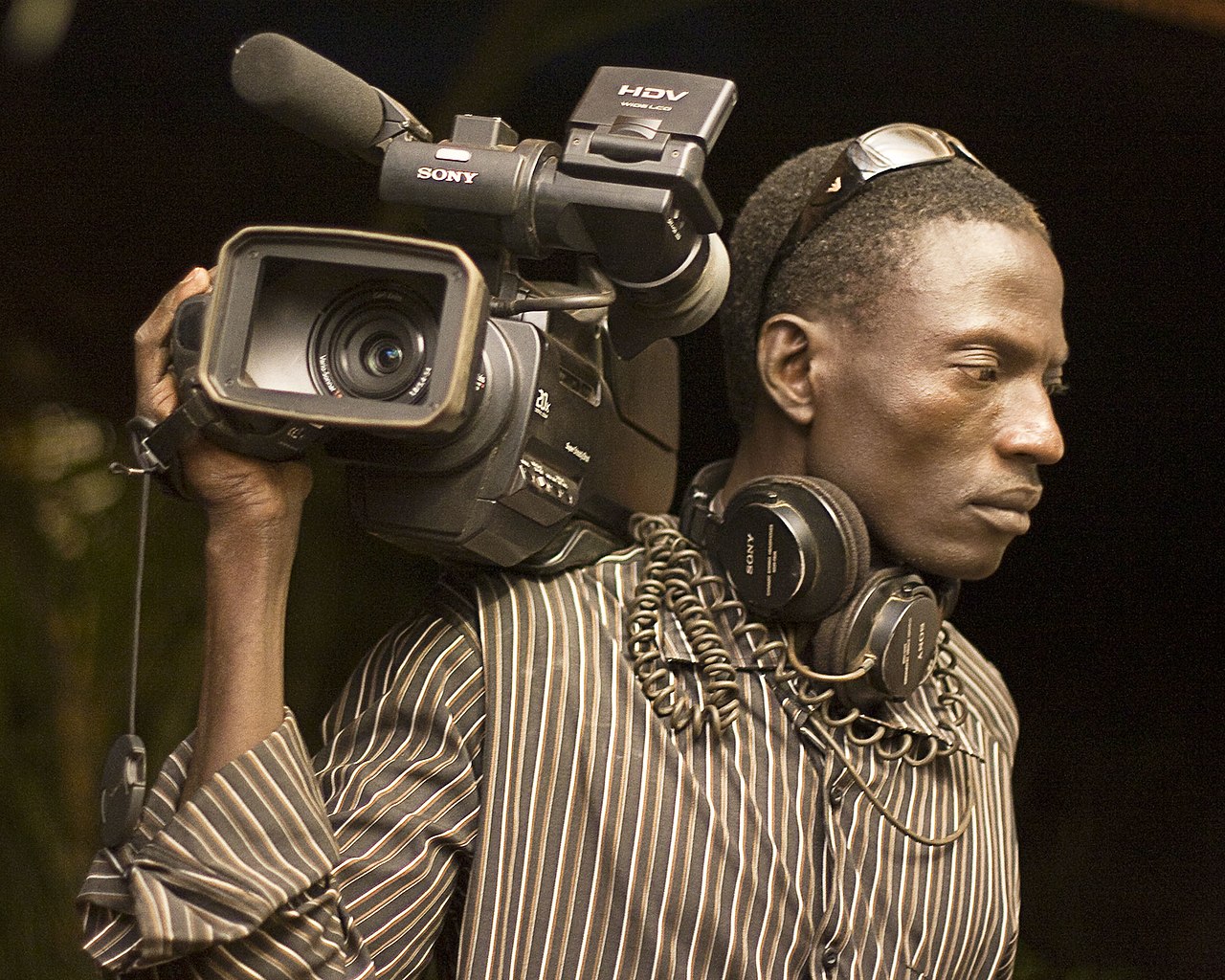
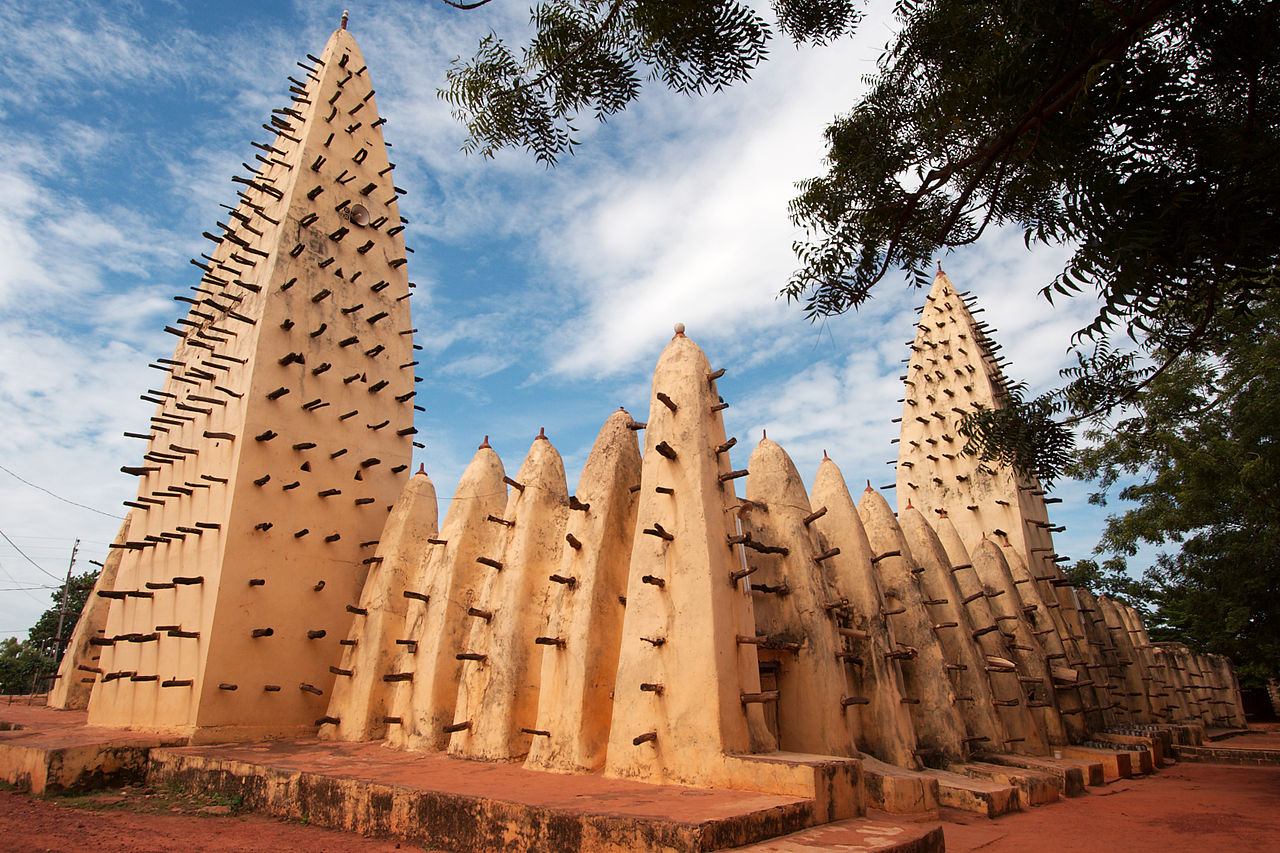
The population is ethnically diverse, with groups such as the Mossi, Gurunsi and Senufo among the largest. French is the official language of government and education, while indigenous languages such as Moore and Dioula remain widely spoken in daily life. Religious practice includes Islam, Christianity and various traditional beliefs. Burkina Faso has a lively cultural scene: music, storytelling and festivals—especially film and music events in Ouagadougou—play a prominent role in national life.
Economy and contemporary issues
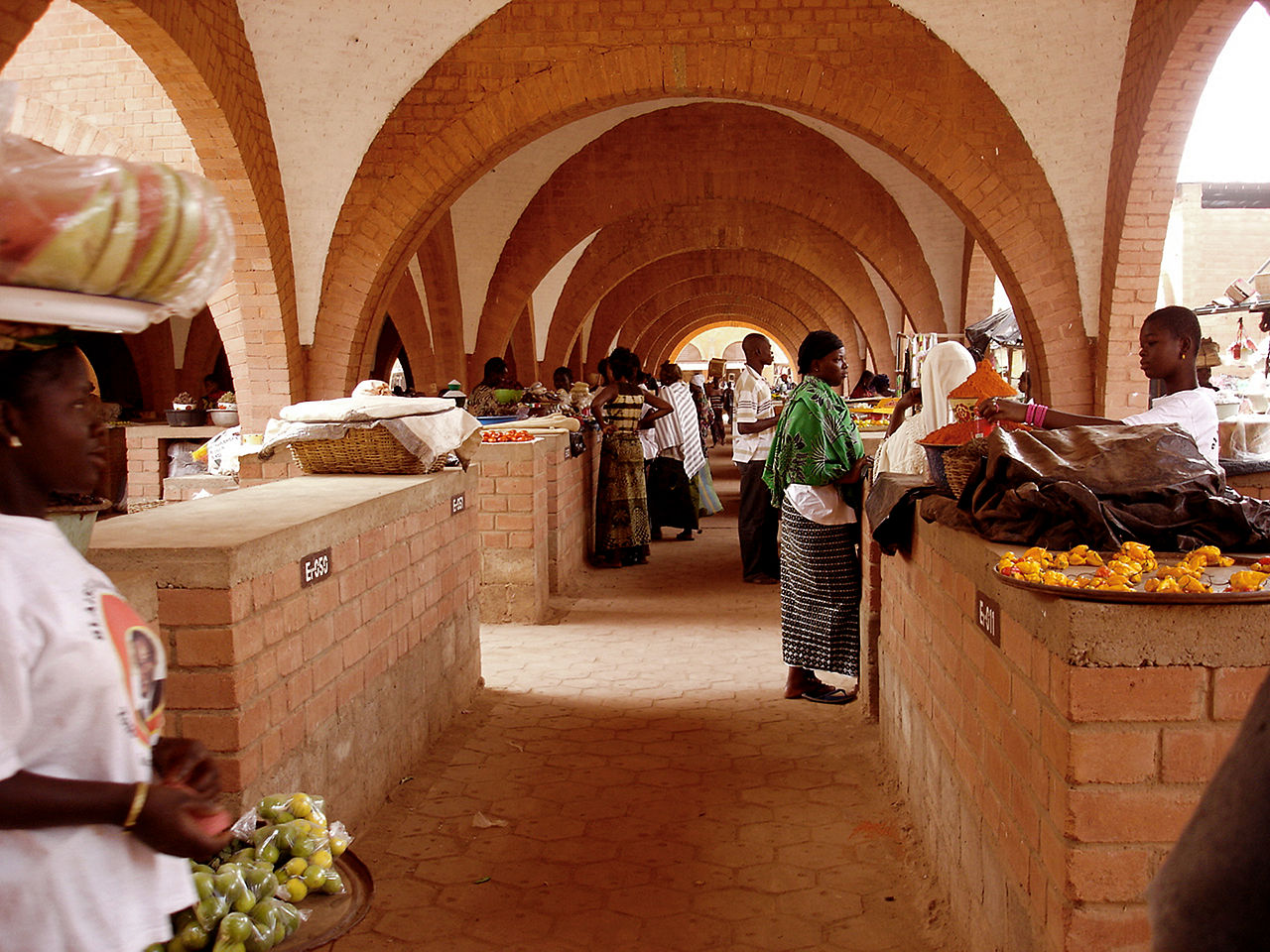
Agriculture employs a large portion of the population, with subsistence farming and cash crops such as cotton central to rural economies. Mining, notably gold production, has grown as a major source of export revenue. The country faces development challenges including infrastructure, health and education gaps, and security concerns related to instability in parts of the Sahel. Burkina Faso participates in regional and francophone institutions and uses the West African CFA franc.
Quick facts
- Capital: Ouagadougou
- Former name: Upper Volta
- Demonym: Burkinabé (often pronounced "bur-kee-na-bay")
- Languages: French (official) and multiple indigenous languages
- Key issues: economic development, rural livelihoods, regional security and cultural vitality
Questions and answers
Q: Where is Burkina Faso located?
A: Burkina Faso is located in West Africa.
Q: What was the country called before it was changed to Burkina Faso?
A: The country was called Upper Volta before it was changed to Burkina Faso.
Q: Who used to rule Burkina Faso?
A: Burkina Faso was once ruled by France.
Q: When did Burkina Faso gain independence?
A: Burkina Faso gained independence in 1960.
Q: What is the capital of Burkina Faso?
A: The capital of Burkina Faso is Ouagadougou.
Q: How many people lived in Burkina Faso in 2005?
A: In 2005, about 13,228,000 people lived in Burkina Faso.
Q: What are people from Burkina Faso called?
A: People from Burkina Faso are called Burkinabé (pronounced burr-KEE-na-bay).
Related articles
Author
AlegsaOnline.com Burkina Faso: West African nation formerly called Upper Volta Leandro Alegsa
URL: https://en.alegsaonline.com/art/15451
Sources
- bbc.com : "Roch Marc Christian Kabore elected Burkina Faso president"
- insd.bf : "INSD Burkina Faso (in French)[[Category:Articles with French-language sources (fr)]]"
- imf.org : "Burkina Faso"
- cia.gov : "Distribution of family income – Gini index"
- iso.org : ISO 4217 currency names and code elements
- books.google.com : Peoples of Africa, Volume 2
- bbc.com : "BBC News - Burkina Faso parliament set ablaze"
- smh.com.au : "Burkina Faso protesters set parliament on fire, take over state TV and march on presidency"
- nytimes.com : "Burkina Faso's President Resigns, and General Takes Reins"
- insd.bf : National 2006 census preliminary results
- books.google.com : Burkina Faso
- oxfam.org.uk : "Oxfam's Cool Planet – Food in Burkina Faso"