
Information technology: concepts, components, history, and applications
Concise encyclopedia entry on information technology (IT): definitions, core components, history, uses, governance, security concerns, education and major trends shaping the field.
Overview
Information technology (commonly abbreviated IT) denotes the collection of tools, systems, processes and practices used to create, collect, store, process, transmit and present information. Information handled by IT may take many forms — numerical records, text, still images, motion pictures, audio or multimedia — and it is managed through a mix of hardware, software, data architectures and human activity. The phrase was popularized in the mid‑20th century to describe an expanding set of capabilities that transformed business operations, scientific work and everyday life. IT underpins modern communication, economic activity and public services and is a distinct discipline from, though closely related to, computer science and telecommunications.
Image gallery
10 Images



Core components and characteristics
IT is an ecosystem made up of interdependent elements. Principal components include:
- Hardware: physical devices such as servers, storage arrays, desktop and mobile devices, network equipment and specialized appliances.
- Software: operating systems, enterprise applications, middleware, databases and development frameworks that implement functions and provide interfaces.
- Networks and communications: wired and wireless links, routing and switching equipment, and protocols that carry data and voice traffic and enable conversations between people and systems.
- Data: raw and processed information stored and analyzed for decision making and operations (data management, analytics and records).
- People and processes: IT professionals, administrators, end users and governance processes that determine how technology is deployed and maintained.
Key properties emphasized in IT are availability, integrity and confidentiality of information, together with scalability, interoperability and maintainability of systems.
Data, storage and architectures
Modern IT designs separate compute, storage and network concerns to allow flexibility and scale. Data is commonly managed in structured and unstructured forms, held in relational and non‑relational databases, object stores, and file systems. Architectural patterns range from centralized mainframe models to distributed client‑server, cloud‑native and edge computing patterns. Decisions about storage, backup and archival reflect regulatory, business continuity and performance requirements.
Software, applications and services
Software in IT spans system software, middleware, application software and delivered services. Enterprise systems such as resource planning or customer relationship platforms support business processes; collaboration and content platforms enable knowledge work and publishing; and specialized scientific and media tools support research and creative production, including digital photography and presentations.
History and development
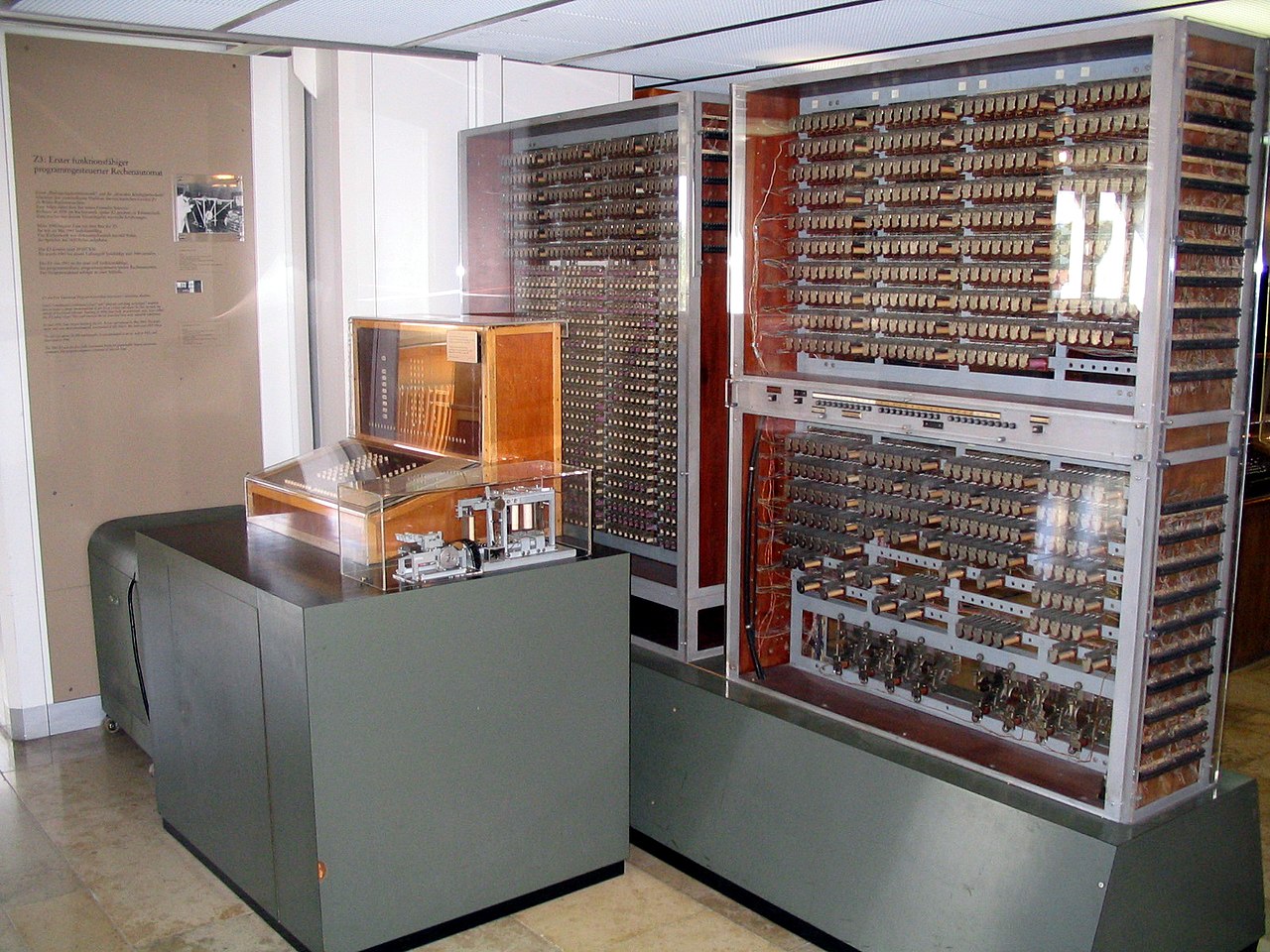
The emergence of IT followed developments in electronic computing, telecommunications and storage technologies. Early institutional computing and mainframes were succeeded by personal computers, local area networks and the commercialization of the internet. Mobile devices, cloud services and broadband connectivity redistributed computing resources, enabling new services and business models. Over decades, the field has broadened from infrastructure management to strategic functions such as analytics, automation and digital product delivery.
Uses, sectors and practical importance
IT supports nearly every sector: commerce, finance, healthcare, education, government, manufacturing, research and entertainment. Typical uses include transaction processing, decision support, scientific computation, media delivery and automated control systems. IT investments are central to productivity, innovation and economic growth, and they also shape social practices and public policy.
Governance, standards and ethics
Effective IT relies on standards, policies and governance frameworks that address interoperability, data protection and compliance. Organizations adopt controls for identity and access management, incident response and change management. Ethical and legal issues include privacy, the fairness of algorithmic decisions, appropriate use of personal data and the societal effects of automation and surveillance. Public policy and professional codes increasingly influence design and deployment choices.
Security, resilience and risk
Cybersecurity is a central concern: threat actors target software vulnerabilities, misconfigured services and human factors. Risk management includes preventive controls, detection and response capabilities, secure design practices and disaster recovery planning. Resilience planning addresses continuity of operations in the face of outages, cyber incidents and natural disasters.
Workforce, education and practices
Careers in IT range from technical specialists (network engineers, developers, system administrators, security analysts) to managerial roles (IT directors, chief information officers). Education pathways include university degrees, vocational training and professional certifications. Best practices emphasize lifecycle management, documentation, testing, automation, and ongoing training for staff and users.
Trends and future directions
Current trends include migration to cloud and hybrid architectures, adoption of automation and orchestration, growth of large‑scale data analytics and machine learning, increased device connectivity via the Internet of Things, and attention to privacy‑preserving techniques. Research into new hardware paradigms and resilient distributed systems continues to expand the practical scope of IT.
Further reading and resources
Introductory and technical materials are available from general technology overviews and specialist sources; readers seeking summaries of concepts, standards and practical guidance may consult reputable technology publications and professional organizations that cover systems design, governance and operations (technology overview, information concepts). For sector‑specific practice, look for industry guides on business applications, data management, communications and media technologies including voice services, collaborative conversation platforms, digital media such as motion media and multimedia, and authoring tools for presentations.
This entry summarizes widely accepted concepts and practice in information technology; specific projects and implementations require attention to platform details, legal obligations and operational controls.
Related articles
Author
AlegsaOnline.com Information technology: concepts, components, history, and applications Leandro Alegsa
URL: https://en.alegsaonline.com/art/47310
Sources
- searchdatacenter.techtarget.com : searchdatacenter.techtarget.com/definition/IT
- tcf.ua.edu : tcf.ua.edu/AZ/ITHistoryOutline.htm