
Andorra la Vella: Capital and Parish of the Principality of Andorra
Andorra la Vella is the capital and one of seven parishes of the small Pyrenean state of Andorra. It is an administrative, commercial and cultural centre situated in a mountain valley.
Andorra la Vella is the capital city and one of the seven parishes of the Andorra state. Located in a high valley of the eastern Pyrenees, the town serves as the political and commercial hub of the small principality. Its compact urban area combines a historic centre with modern shopping streets and public services.
Image gallery
10 Images



Geography and layout
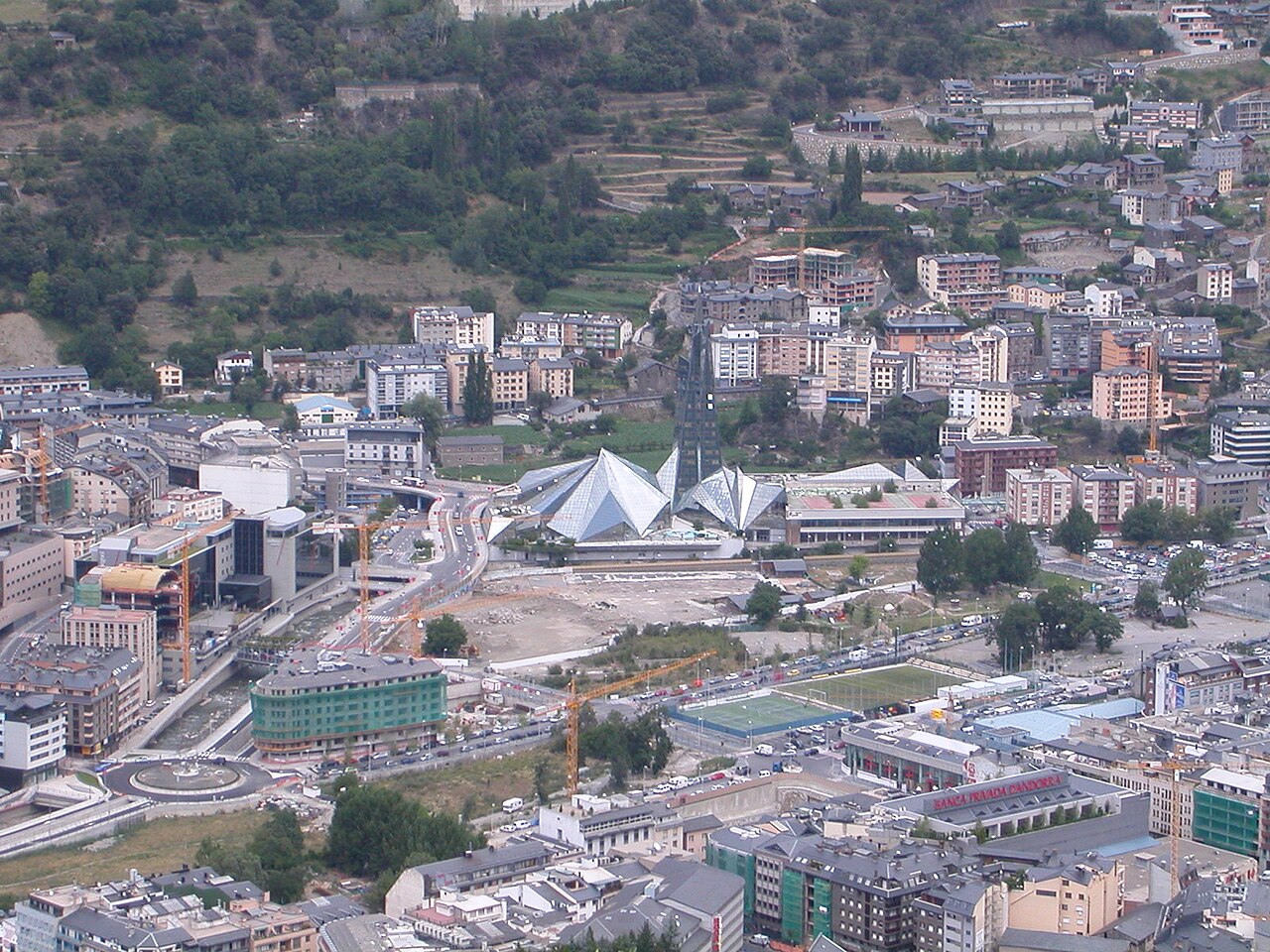
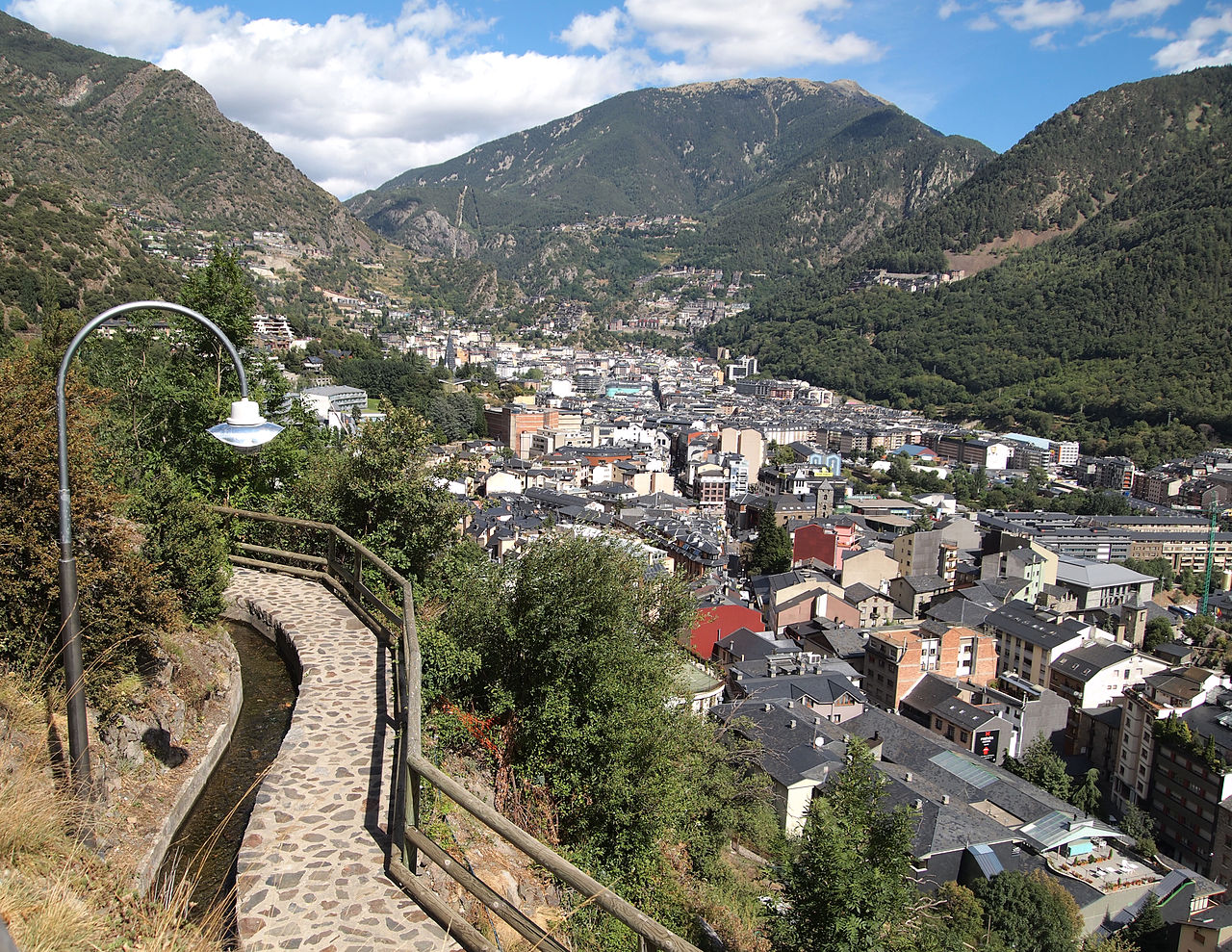
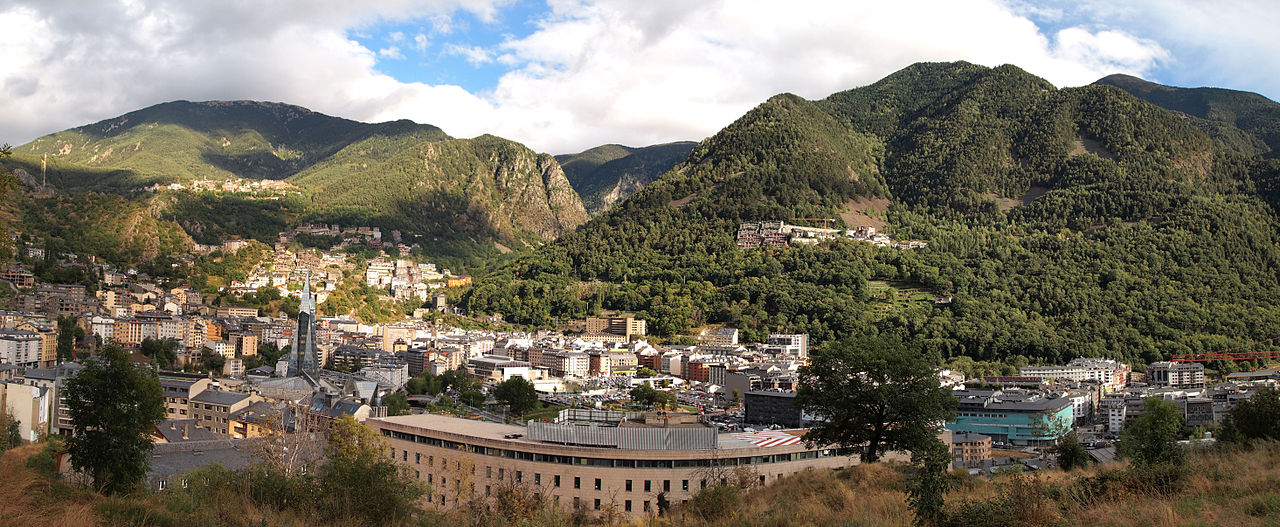
The city sits where mountain slopes open into the valley carved by the Gran Valira river. Streets climb toward surrounding ridgelines and many public buildings and shops are concentrated along the river corridor. The built environment mixes older stone houses and narrow lanes with newer civic architecture and pedestrianised avenues.
History and development
Originally a modest market and administrative settlement, the town grew as Andorra developed closer economic ties with neighbouring France and Spain. Over time it became the seat of government institutions and a centre for commerce. Its growth was influenced by tourism, retail and a service economy oriented toward visitors and residents.
Economy, culture and services
Andorra la Vella functions as the country’s administrative heart and main shopping area. Visitors come for duty-free retail, local cuisine and access to mountain recreation. Cultural life includes municipal events, small museums and heritage sites that reflect the principality’s traditions in a compact urban setting.
Access and notable features
There is no major airport in the principality; access is by road from neighbouring countries. Notable features include a preserved historic quarter, civic buildings, scenic viewpoints and a pedestrianised commercial spine. The city is often cited among Europe’s higher-elevation capitals and is an entry point for exploring the Pyrenees.
- Historic centre and civic architecture
- Retail and duty-free shopping streets
- Gateway to mountain recreation
- Administrative and cultural institutions
Related articles
Author
AlegsaOnline.com Andorra la Vella: Capital and Parish of the Principality of Andorra Leandro Alegsa
URL: https://en.alegsaonline.com/art/3929
Sources
- commons.wikimedia.org : Andorra la Vella
- comu.andorralavella.ad : "Cònsols i consellers"
- geohive.com : "Andorra - General Information"
- estadistica.ad : "Population by parish"
- peakbagger.com : "Pic d'Os, Spain/Andorra"
- estadistica.ad : "Population by town"
- enciclopedia.cat : "Enciclopèdia Catalana"