
Inflorescence: Forms, structure, and function of flower clusters
Overview of inflorescences — the ways flowers are arranged on a plant stem, common types (raceme, spike, panicle, umbel, cyme, capitulum), their development, ecological roles and uses.
An inflorescence is the pattern in which flowers are borne on a plant's reproductive axis. In botanical usage it describes the whole flowering portion: the main stem and any branches that hold individual flowers or groups of flowers. The term is often applied to a group or cluster of flowers arranged on a stem, and different plant species have characteristic inflorescence architectures that affect pollination, seed set and appearance.
Image gallery
10 Images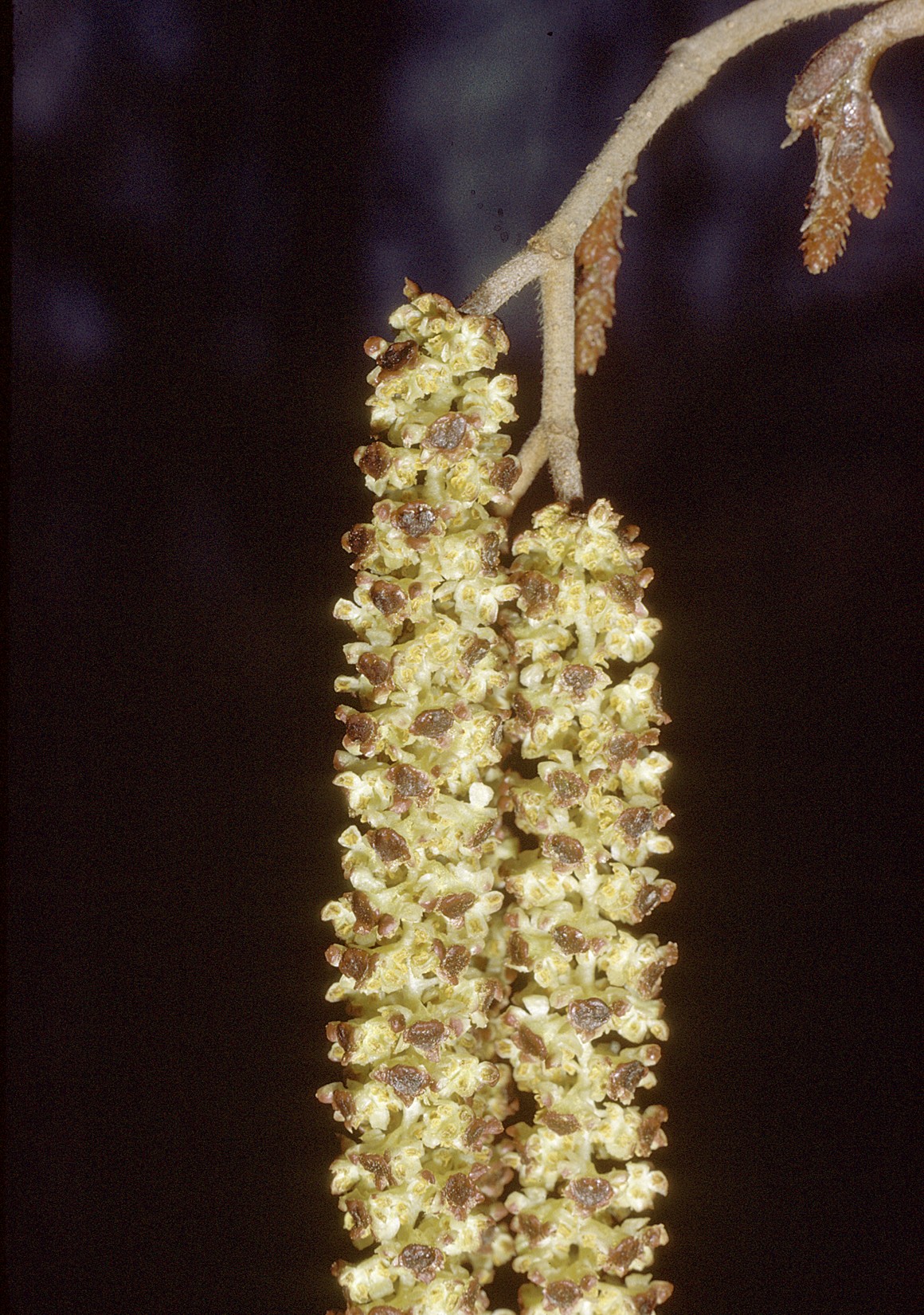




Types and components
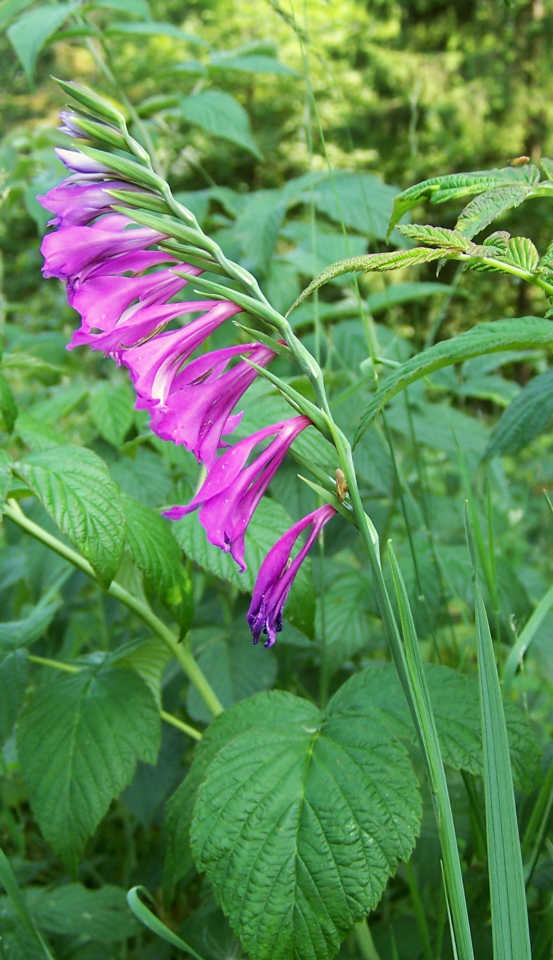
- Raceme: an elongate axis with flowers on short stalks (pedicels) arranged along it; classic in many garden plants.
- Spike: similar to a raceme but with sessile (unstalked) flowers attached directly to the axis.
- Panicle: a branched, compound raceme in which the main axis bears branches that themselves carry flowers.
- Umbel: several flower stalks arise from a common point, forming a flat or rounded cluster, typical of the carrot family.
- Cyme: a determinate cluster where the terminal flower opens first and growth is limited, producing a characteristic branching order.
- Capitulum (head) or pseudanthium: many small flowers packed on a common receptacle so the cluster looks like a single flower; seen in daisies and sunflowers.
- Catkin: a drooping, often wind-pollinated cluster of small, usually unisexual flowers.
Individual parts of an inflorescence include the main stem (rachis), secondary branches, pedicels (flower stalks), bracts (modified leaves associated with flowers) and the receptacle. Morphological variation in these parts produces the many named inflorescence forms used in plant identification and description.
Inflorescences are often classified as indeterminate or determinate. In indeterminate types the growing tip continues to produce new flowers, so lower or peripheral flowers open first. In determinate types the terminal bud forms a flower and stops elongation, so younger flowers develop on the sides. This distinction influences flowering sequence and resource allocation.
Functionally, inflorescence architecture affects exposure to pollinators, visual display, and reproductive success. Dense clusters like capitula can present many small flowers as a single conspicuous unit to attract insects, while elongated racemes may space flowers to reduce self-shading or saturate pollinators over a longer period. Wind-pollinated species often have long, slender inflorescences that shed pollen efficiently.
Practical uses and examples span horticulture, agriculture and ecological studies. Gardeners select plants for striking inflorescence shapes; farmers consider inflorescence form when breeding cereals and legumes because it influences yield. Familiar examples include Antirrhinum (snapdragon) with raceme-like spikes and the common daisy, whose apparent single flower is a cluster of many florets arranged as a head. For further general information on flower clusters see a concise introduction at reference pages or botanical guides linked from authoritative resources about stems and structure.
Questions and answers
Q: What is an inflorescence?
A: An inflorescence is a flowering stem.
Q: For what purpose is the term "inflorescence" most commonly used?
A: The term "inflorescence" is most commonly used for a group or cluster of flowers arranged on a stem.
Q: What is the significance of an inflorescence?
A: An inflorescence is the reproductive portion of a plant and each plant bears its flowers in a specific pattern.
Q: Can you give an example of an inflorescence that is just a close bunch of flowers on a spike?
A: An example of an inflorescence that is just a close bunch of flowers on a spike is Antirrhinum.
Q: What is a pseudanthium?
A: A pseudanthium is a kind of inflorescence that looks like one single flower but is actually made up of several hundred tiny flowers packed together.
Q: What is the meaning of "false flower" in relation to pseudanthium?
A: The term "false flower" is used for a pseudanthium because it looks like one single flower, but is actually made up of several hundred tiny flowers packed together.
Q: What is the reproductive function of an inflorescence?
A: An inflorescence is the reproductive portion of a plant, which means that it is responsible for producing the plant's flowers and facilitating the process of pollination.
Related articles
Author
AlegsaOnline.com Inflorescence: Forms, structure, and function of flower clusters Leandro Alegsa
URL: https://en.alegsaonline.com/art/47293
Sources
- mobot.org : mobot.org/MOBOT/research/APweb/