
Agathaumas — a dubious ceratopsid genus from the Late Cretaceous
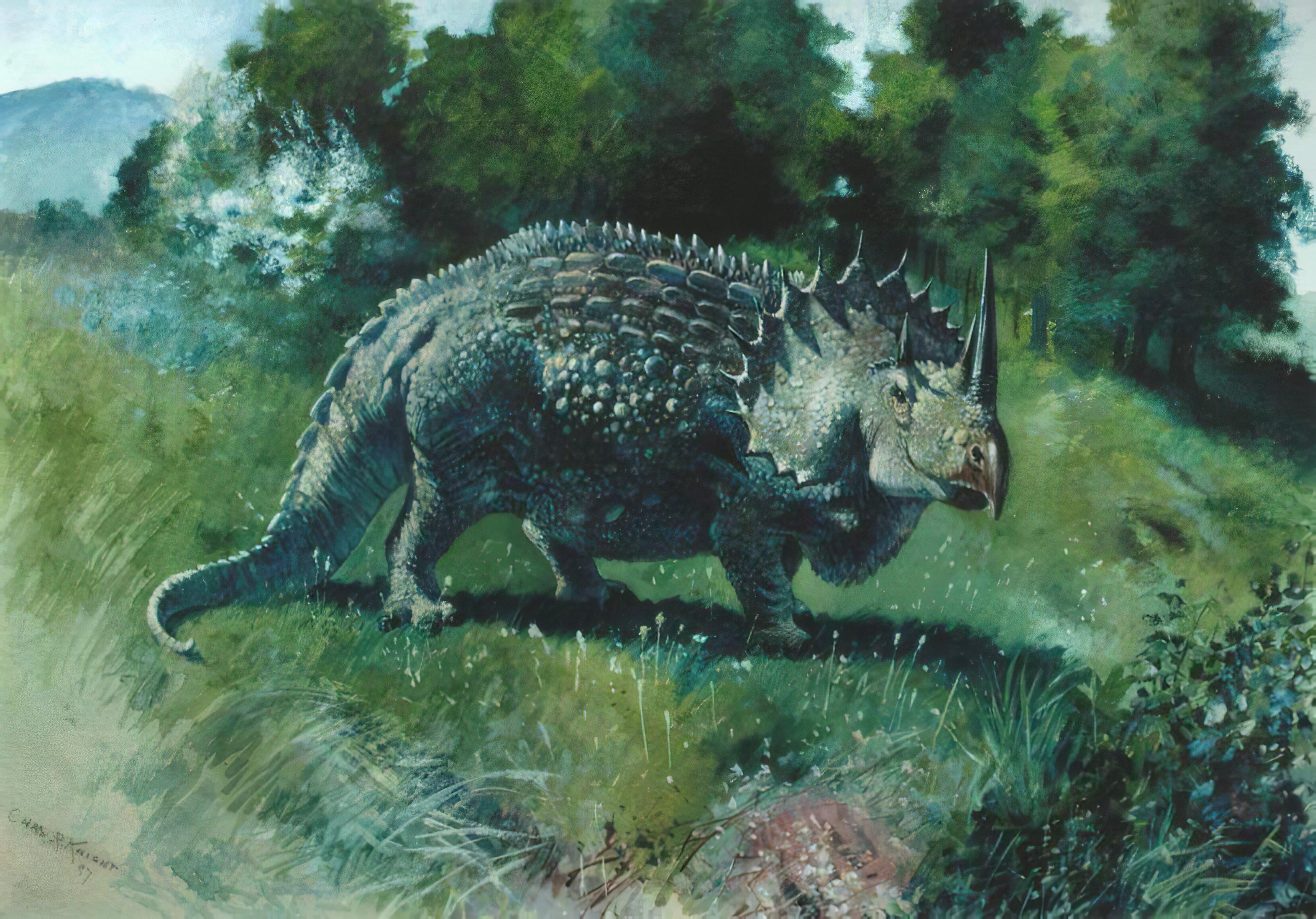
Agathaumas, meaning "great wonder", is a fragmentary and debated ceratopsid dinosaur genus from Late Cretaceous Wyoming. Known from limited remains, it has historically been linked to Triceratops.
Overview
Agathaumas is a poorly known and often called a dubious genus of large horned dinosaur (a ceratopsid) from the latest Cretaceous of what is now Wyoming. The name, derived from Greek roots (agathạumas meaning "great wonder"), reflects 19th‑century excitement about the size of the remains. Only fragmentary fossils were recovered, so many aspects of its anatomy and precise relationships remain uncertain.
Image gallery
8 Images


Discovery and naming
The specimen that established Agathaumas was collected in the late 19th century during an era of intensive dinosaur hunting in western North America. Because original material is incomplete and lacks distinctive features preserved in better specimens, the genus has been difficult to diagnose. Historical accounts emphasized its large size, and for a time it was presented as one of the largest known terrestrial animals.
Classification and debate
Scientists have placed Agathaumas within Ceratopsidae, the family that includes horned dinosaurs with nasal and brow ornamentation. However, because the type fossils do not clearly show the diagnostic skull frill or horns typical of many ceratopsids, researchers consider the name nomen dubium by some authorities. Others have suggested that the material may represent a large, early member of the group or might be a junior synonym of better‑known taxa such as Triceratops, but consensus requires more complete material.
Significance and context
Though Agathaumas itself contributes little anatomical detail, its discovery played a role in early paleontological narratives about giant Cretaceous reptiles. It illustrates how fragmentary fossils can create taxonomic uncertainty and why complete skulls and associated skeletons are valuable for defining dinosaur genera. Agathaumas is often cited in discussions about the history of vertebrate paleontology and the challenges of naming taxa based on limited remains.
Key points
- Named in the 19th century and known from fragmentary Late Cretaceous fossils.
- Assigned to Ceratopsidae but regarded as dubious because diagnostic features are lacking.
- Has been linked historically to larger ceratopsids and sometimes compared to Triceratops.
- Remains were found in what is now Wyoming, contributing to regional fossil heritage.
For brief introductions and summaries of the taxonomic debate see general dinosaur references and curated museum accounts; a number of overviews and reviews discuss the status of fragmentary genera like Agathaumas and the rules that govern taxonomic decisions in paleontology. Additional background on ceratopsid anatomy and evolution can help place Agathaumas in a broader evolutionary context—see resources linked in specialist literature and museum summaries for more detail (overview, classification, ceratopsids).
Tags
Related articles
Author
AlegsaOnline.com Agathaumas — a dubious ceratopsid genus from the Late Cretaceous Leandro Alegsa
URL: https://en.alegsaonline.com/art/1341