
Bicentenaria: a small coelurosaurian theropod from Late Cretaceous Argentina
Bicentenaria is a genus of small carnivorous coelurosaurian theropods from Argentina, known from early Late Cretaceous (~90 Ma) deposits. The type species is Bicentenaria argentina, first reported in 2012.
Bicentenaria is a genus of small carnivorous coelurosaurian theropod dinosaurs first reported in 2012. Its single named species, Bicentenaria argentina, is known from fragmentary fossil material recovered in what is now Argentina. The remains come from deposits dated to the early part of the Upper (Late) Cretaceous, roughly around 90 million years ago, and the animal is estimated to have been about 2.5–3 metres in length.
Image gallery
10 Images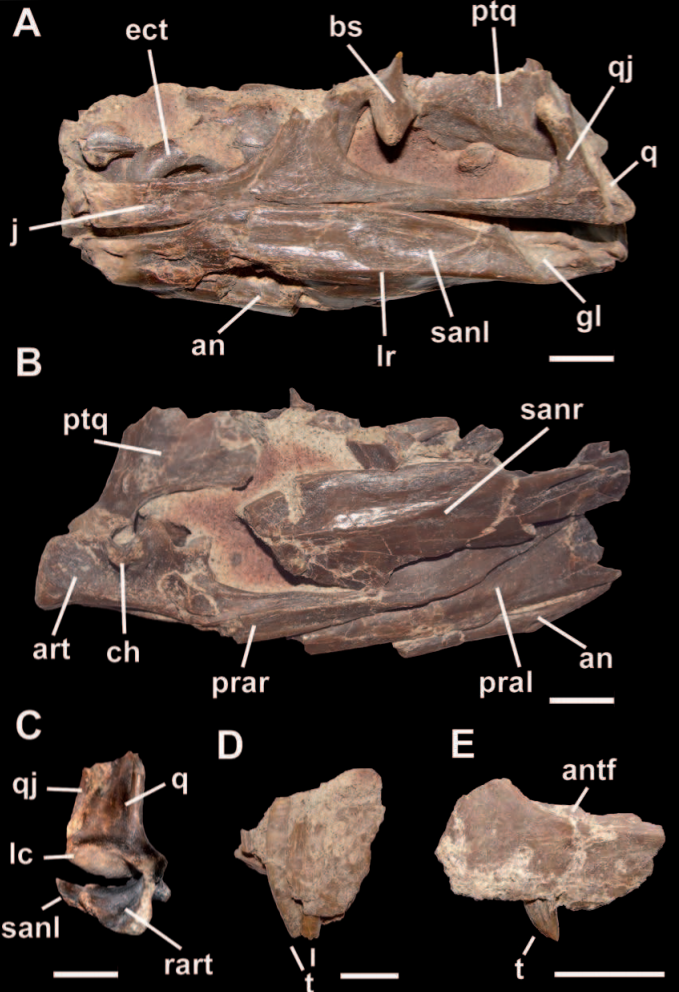



Overview and appearance
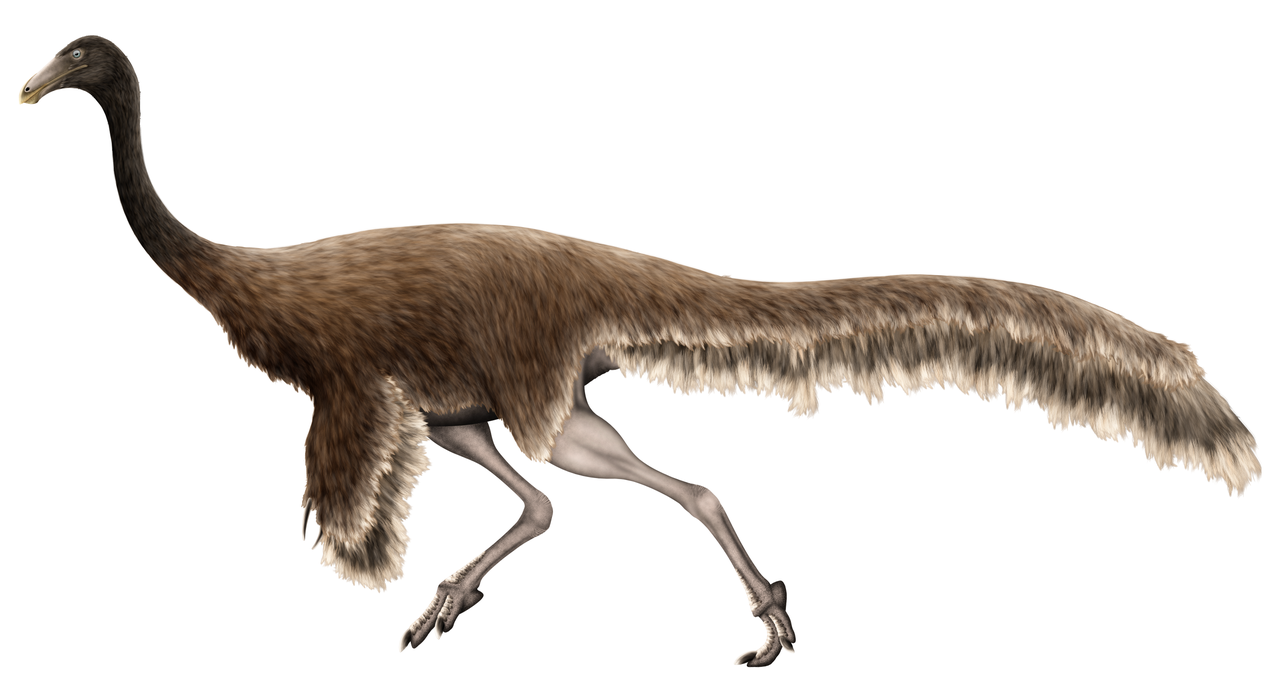
As a member of Coelurosauria, Bicentenaria would have been bipedal and relatively lightly built, with long hind limbs and a counterbalancing tail. Preserved bones indicate a small predator with grasping forelimbs and laterally compressed, serrated teeth consistent with a meat-eating diet. Overall proportions suggest an active, agile animal occupying an intermediate predatory niche between very small, arboreal hunters and much larger apex theropods.
Discovery and age
The genus was reported in the scientific literature in mid-2012 and subsequently named. Fossils assigned to Bicentenaria were recovered from Argentine sedimentary formations representing the early stages of the Late Cretaceous; such finds contribute to regional chronologies and help correlate South American faunas with global Cretaceous stages. The holotype and referred material remain limited, which restricts detailed reconstructions.
Classification and relationships
Taxonomically, Bicentenaria is placed within the broad clade of coelurosaurian theropods, a diverse group that later gave rise to lineages such as tyrannosauroids and maniraptorans. Because of this affiliation, it is often described as an early relative of much larger later theropods such as Tyrannosaurus, although Bicentenaria represents a much smaller and more gracile body plan. Its precise position within coelurosaurs is uncertain due to the incomplete nature of the material, and analyses have treated it cautiously as a basal coelurosaur pending further discoveries.
Palaeobiology and paleoecology
Based on size and tooth morphology, Bicentenaria was likely an active predator of small vertebrates—juvenile dinosaurs, lizards, mammals and possibly large invertebrates—and may have supplemented its diet with scavenged carrion. In the ecosystems of Cretaceous South America it would have shared habitats with a variety of herbivorous and carnivorous taxa, contributing to the trophic diversity of Gondwanan faunas.
Significance
Although known from relatively limited material, Bicentenaria is important for understanding coelurosaur diversity in South America during the Late Cretaceous. Finds of medium-sized coelurosaurs in Gondwana inform reconstructions of biogeographic patterns and evolutionary radiations that occurred before the end-Cretaceous extinctions. Continued fieldwork and comparative study may clarify its anatomy and relationships.
Further reading and resources
- General genus overview and taxonomic listings: Genus overview.
- Context on the geological age and stages: Cretaceous period overview.
- Broader entries on coelurosaur evolution and theropod anatomy: Coelurosauria and Theropoda.
- Regional summaries of Argentine Cretaceous formations and faunas: South American deposits.
- Specimen listings and museum catalogues referencing Bicentenaria argentina material: database.
- Comparative resources for related taxa: comparative taxa.
Tags
Related articles
Author
AlegsaOnline.com Bicentenaria: a small coelurosaurian theropod from Late Cretaceous Argentina Leandro Alegsa
URL: https://en.alegsaonline.com/art/11252
Sources
- bbc.co.uk : bbc.co.uk/news/world-latin-america-18611841
- itv.com : New species of dinosaur related to giant Tyrannosaurus.
- mef.org.ar : New Patagonian Cretaceous theropod sheds light about the early radiation of Coelurosauria