
Gamekeeper (countryside management and wildlife stewardship)
A gamekeeper manages countryside habitats and wildlife to sustain game for shooting and angling, combining husbandry, habitat work, law enforcement and modern conservation practices.
Overview
A gamekeeper is a land manager who looks after countryside areas so that game species and fish remain available for shooting and angling and so that habitats are maintained. The role combines practical husbandry, habitat management, population monitoring and on‑site protection. Although most commonly associated with estate management in the United Kingdom, similar functions exist in other countries under different job titles.
Image gallery
4 Images


Typical duties and techniques
Day‑to‑day activities vary by season and location but commonly include: rearing and releasing game birds, managing cover and feeding, maintaining watercourses and ponds, controlling damage to crops, fencing, predator control and preventing illegal taking of wildlife. A list of common tasks includes:
- Breeding, rearing and releasing birds such as pheasants and partridge.
- Habitat management across woodland, moorland, farmland and waterways to provide cover, food and nesting sites.
- Fishery management and stocking in rivers, streams and ponds (fish).
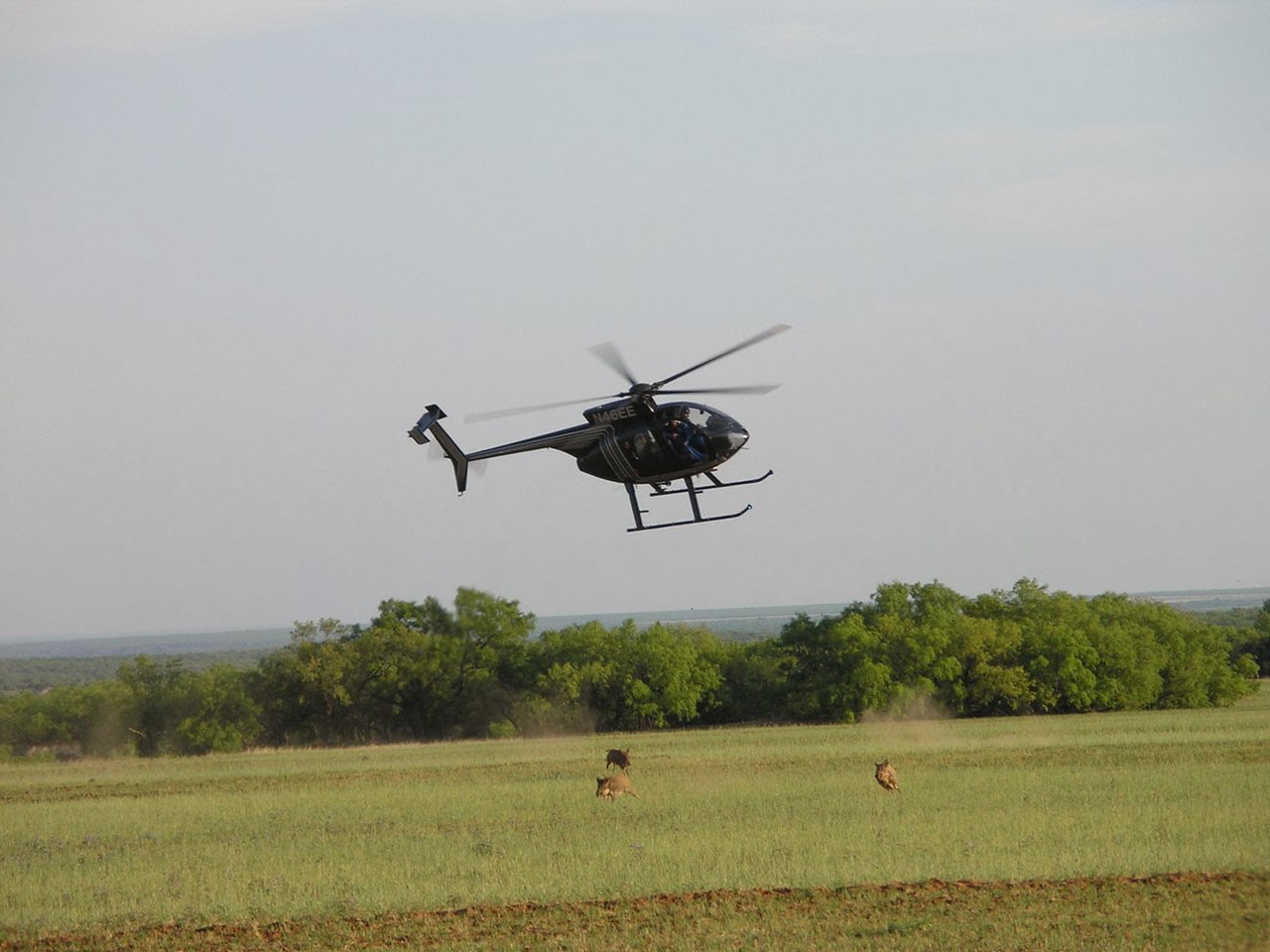
- Controlling pests and predators, and monitoring populations of deer (deer) and foxes to balance stocks and reduce disease or crop damage.
- Preventing and responding to poaching, theft and other illegal activity on a country estate.
History and development
The occupation grew from traditional rural practices where landowners employed attendants to protect and augment wild game for sport and food. Over time the role has professionalised: modern keepers combine traditional skills such as game rearing and stalking with science‑based habitat management, regulated licensing for traps and firearms, and an increasing emphasis on biodiversity and legal compliance.
Conservation, controversy and modern practice
Gamekeeping sits at the intersection of sporting traditions and wildlife conservation. Some practices, such as large‑scale release of game birds or intensive predator control, have sparked debate about impacts on native biodiversity. In response, many keepers now adopt mitigation measures to reduce non‑target effects, enhance hedgerows and wetland features, and work with environmental advisers to meet statutory and voluntary conservation targets.
Employment, training and distinctions
In the UK a gamekeeper is usually employed by a private landowner or estate manager, but there are also roles in trusts, farms and commercial shoots. Training may come through apprenticeships, vocational colleges or on‑the‑job experience; statutory elements include licensing, animal welfare and firearms safety. The role is distinct from a government wildlife officer or game warden, whose duties are more regulatory and enforcement‑focused.
Importance and examples
Well‑managed gamekeeping can support rural economies, maintain open habitats that benefit a range of species, and sustain angling and shooting traditions. It can also help control invasive species, maintain water quality through streamwork and provide public goods when aligned with conservation goals. The balance between sporting objectives and wider ecological outcomes defines much of the contemporary discussion about the profession.
For further reading on habitat types and practical guidance, see resources on woodland, waterway and moorland management, and on legal issues around poaching and wildlife protection. Additional context is available on estate management (country estate practices) and species‑specific advice for deer, fish, pheasants, partridge and predator control such as for foxes.
Related articles
Author
AlegsaOnline.com Gamekeeper (countryside management and wildlife stewardship) Leandro Alegsa
URL: https://en.alegsaonline.com/art/37404