
Habitat destruction: causes, impacts, and responses
Overview of habitat destruction: what it is, natural and human causes, ecological consequences, examples, and ways to reduce and restore damaged habitats.
Overview
Habitat destruction occurs when a place that once provided the food, shelter and breeding sites for wildlife no longer does so. A habitat may be altered or eliminated by physical processes, chemical change, or human activities; when its conditions fall outside the tolerances of the resident organisms, populations decline, relocate or face local extinction. The term covers outright loss of area and changes that render an area unsuitable even if it still appears intact.
Image gallery
10 Images




Natural and human causes
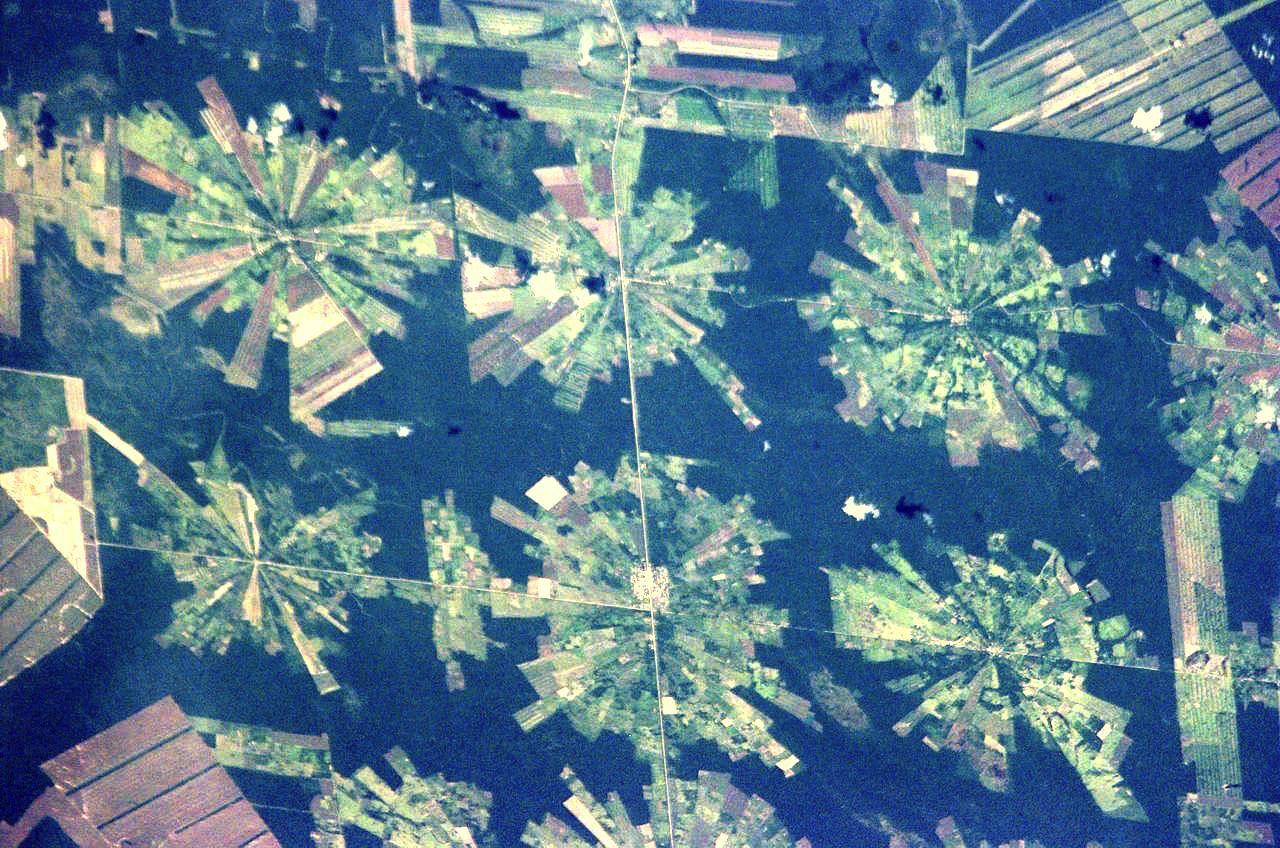
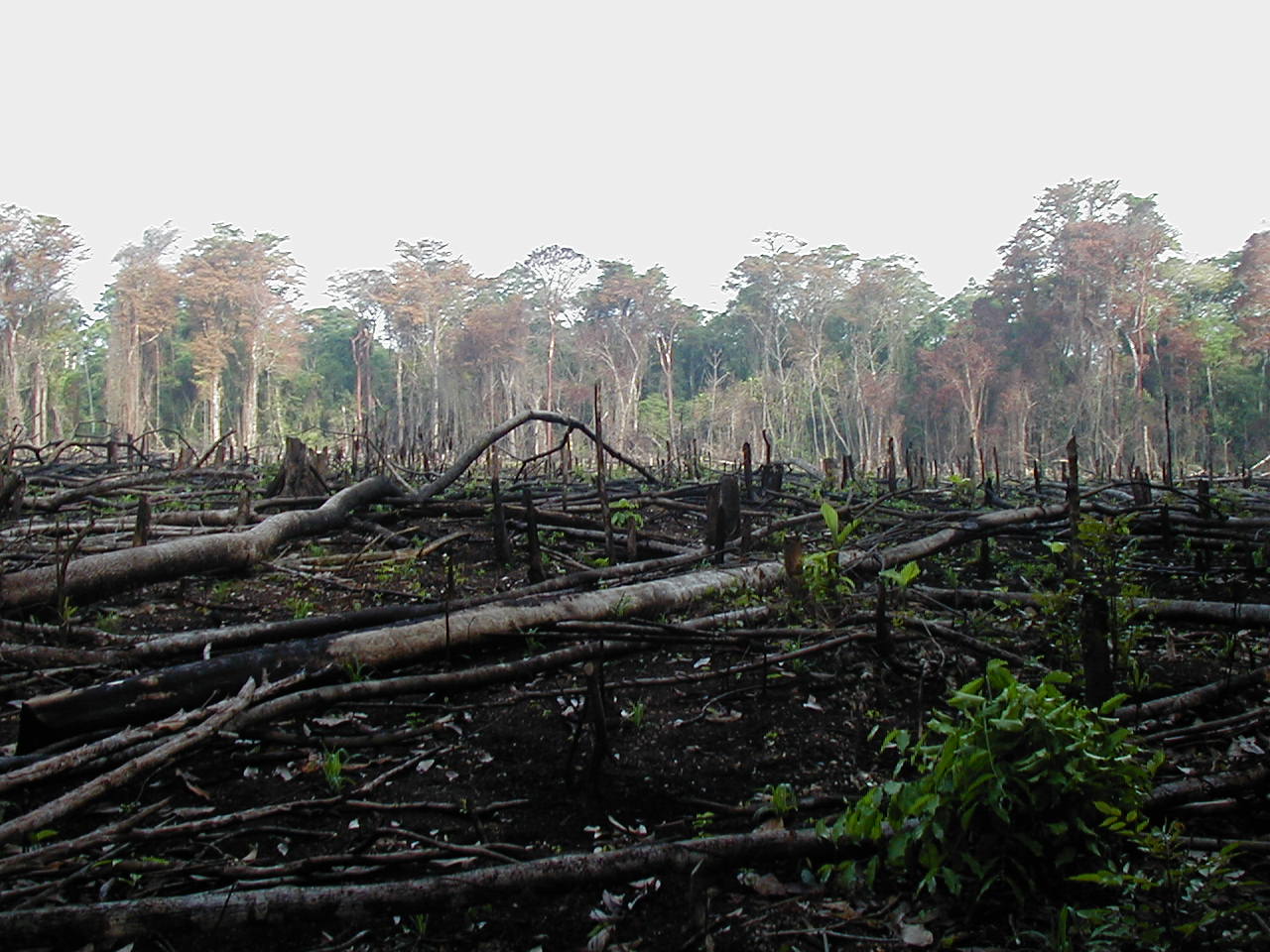
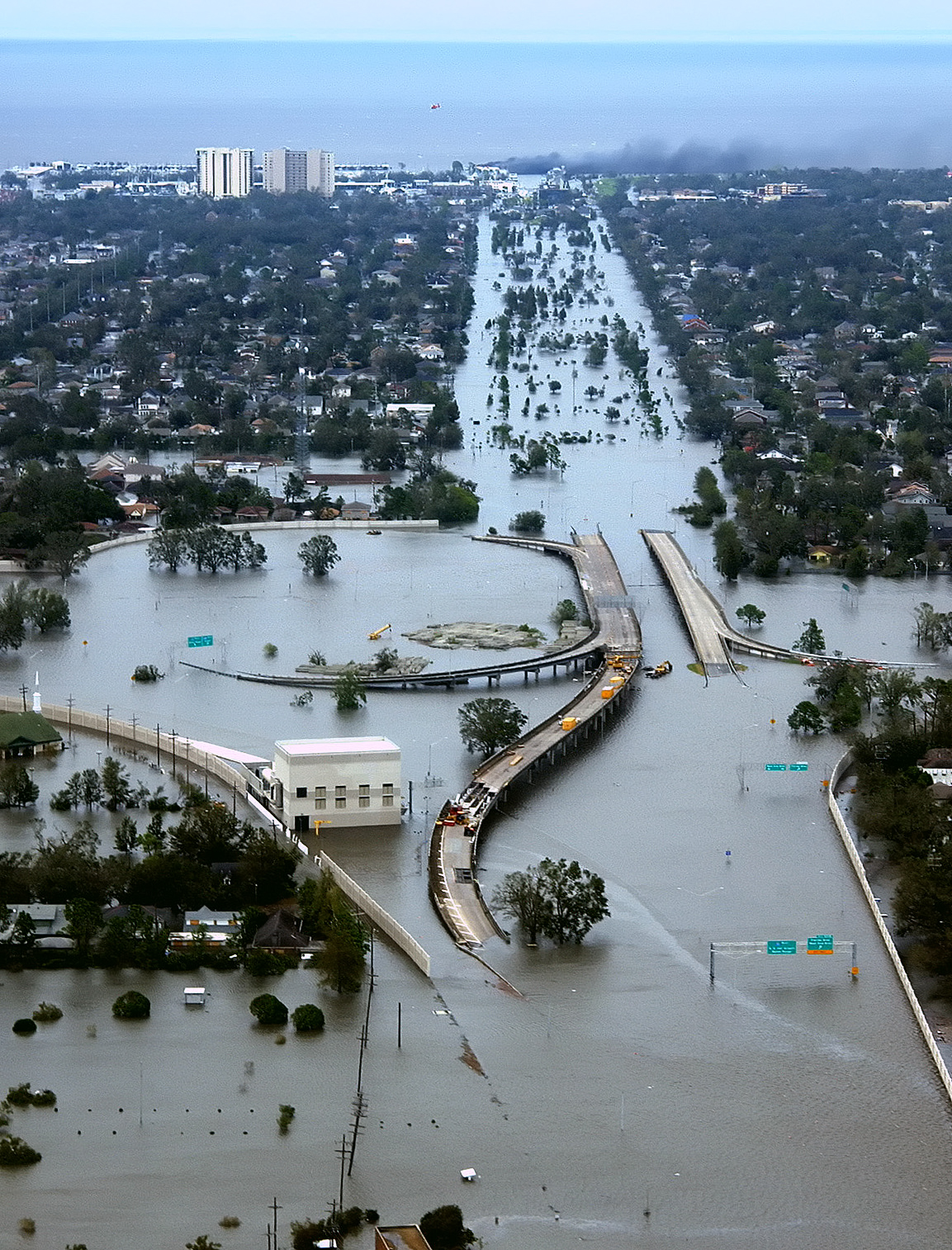
Some habitat loss results from natural events. Large-scale wildfires can remove vegetation and alter soil properties, and lava flows from lava can bury existing ecosystems in the path of a volcano. Floods, storms and climatic shifts also reshape habitats over time. However, most rapid and widespread habitat destruction today is attributable to human activities such as clearing forests, draining wetlands, converting grassland to cropland, urban expansion, mining, and infrastructure development.
Major ecological consequences
- Biodiversity loss: species with limited ranges or specialized requirements are especially vulnerable.
- Fragmentation: remaining habitat broken into smaller patches isolates populations and reduces genetic exchange.
- Disruption of ecosystem services: functions such as pollination, water purification and carbon storage decline as habitats are altered.
- Community shifts: invasive or generalist species may replace native species, changing food webs and ecosystem dynamics.
Examples and patterns
Common forms of habitat destruction include large-scale deforestation for timber and agriculture, conversion of wetlands to farmland or development, coral reef damage from coastal development and pollution, and loss of grasslands through intensive grazing or cultivation. Protected areas such as national parks aim to conserve habitats, but pressures from surrounding land use and climate change can still degrade them.
Prevention, restoration and policy responses
Approaches to reduce habitat destruction involve legal protection, land-use planning, sustainable resource management, and restoration ecology. Restoration can recover ecological structure and function but is often slower and more costly than preventing loss. Conservation planning emphasizes habitat connectivity, buffer zones, and incentives for private-land stewardship. International frameworks, national laws and local community initiatives all play roles in protecting habitats and species.
Distinctions and notable facts
It is important to distinguish habitat destruction (complete loss), habitat degradation (reduction in quality) and fragmentation (division into patches). While some habitats regenerate naturally after disturbance, recovery depends on the severity of damage, the resilience of native species, and the surrounding landscape. Understanding these differences helps target conservation actions and prioritize areas where intervention will be most effective.
For more detailed guidance and case studies, consult scientific syntheses and conservation resources that address local context, species-specific needs and long-term planning strategies. Useful starting points include habitat descriptions, species assessments and management guidelines available from specialized organizations and research institutions.
Habitat | Organisms | Wildfires | Lava | Volcanoes | Grassland | National parks
Related articles
Author
AlegsaOnline.com Habitat destruction: causes, impacts, and responses Leandro Alegsa
URL: https://en.alegsaonline.com/art/41676