
Ghost nets (derelict fishing gear) and their effects on marine life
Ghost nets are lost or abandoned fishing gear that continue to trap wildlife and pollute oceans. This article explains what they are, how they persist, their impacts, and approaches to reduce and remove them.
Overview
Ghost nets are fishing nets and other gear that have been lost, discarded, or abandoned at sea. Once adrift or snagged on the seabed, these nets continue to entangle animals and collect debris; this process is often called "ghost fishing." The term covers a range of equipment including gillnets, trawls, longlines, traps, and associated ropes and floats. Modern gear is commonly made from synthetic polymers, which makes it durable and slow to break down.
Image gallery
7 Images



Characteristics and behavior
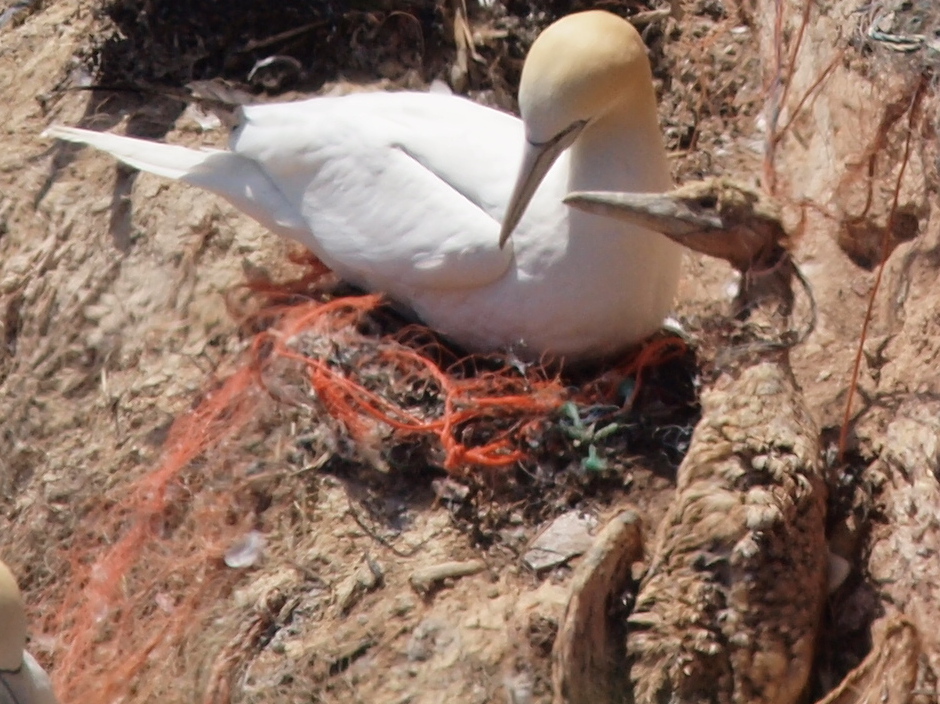
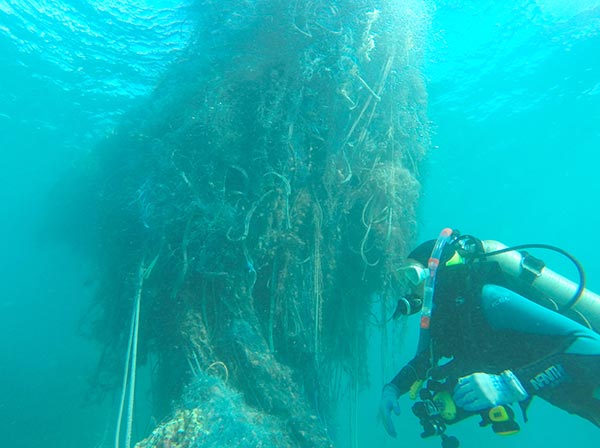
Derelict gear drifts with currents, becomes suspended in the water column, or becomes caught on reefs and rocky outcrops. A lost fishing net may float freely on the surface or sink and become anchored to a rock or wreck. While they remain active, nets continue to capture fish and other marine life. Entangled organisms often exhaust, starve, or suffer injury, and trapped carcasses can attract scavengers that themselves become trapped. Because many nets are made of durable plastic, they can persist for years to decades and contribute to microplastic pollution as they fragment.
Environmental and economic impacts
Ghost nets harm biodiversity by killing mammals, seabirds, turtles, crustaceans and fish. They damage sensitive habitats such as coral reefs and seagrass beds by abrasion and smothering. Beyond ecological loss, derelict gear has economic consequences: lost catch, gear replacement costs, and negative effects on tourism and coastal livelihoods. Some dead zones of concentrated debris are associated with major current systems and ocean gyres.
Distribution and notable findings
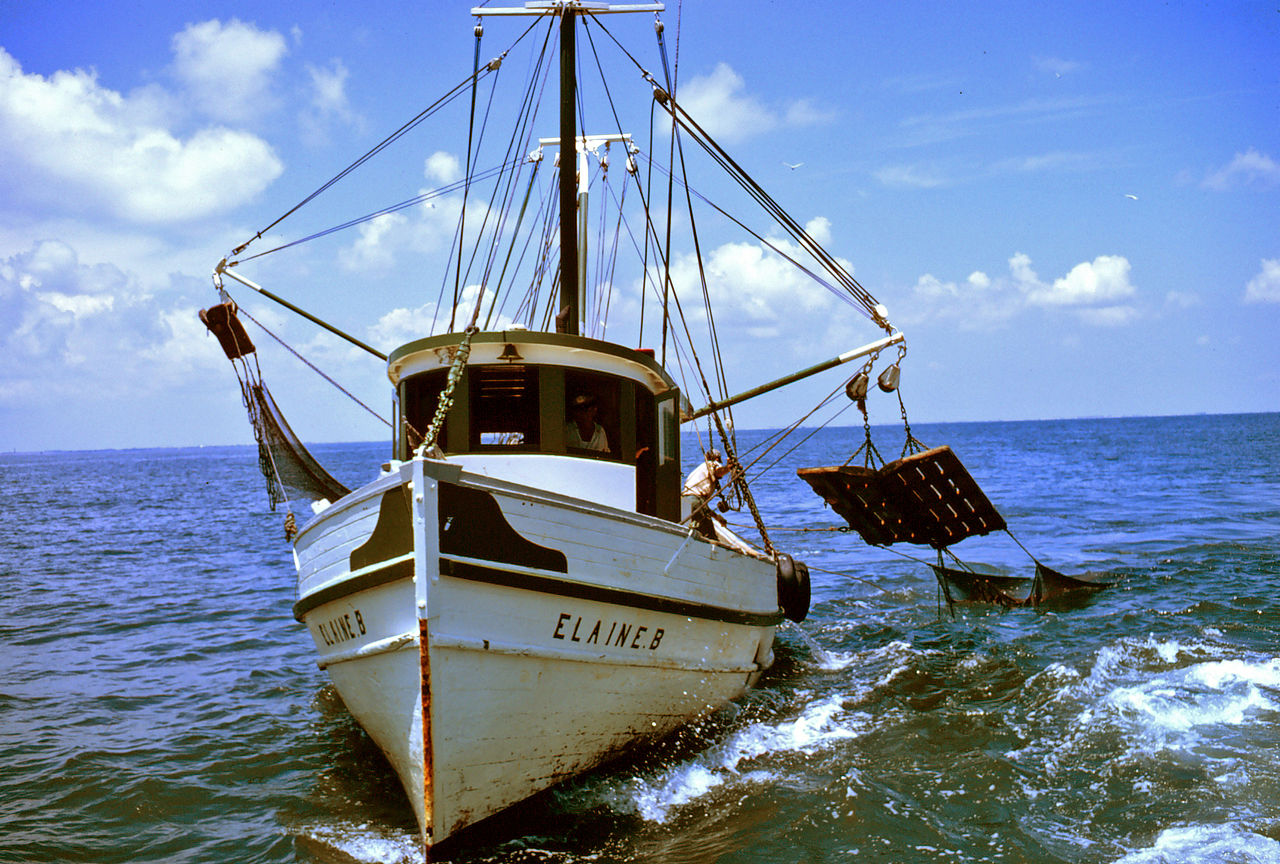
Large accumulations of marine debris exist within subtropical gyres. Research into the North Pacific accumulation — often called the Great Pacific Garbage Patch — indicates much of the mass is composed of fishing nets and related gear rather than small consumer items alone. A mix of lost equipment from commercial fleets, abandoned gear from small-scale fisheries, accidental losses in storms, and illegal discarding all contribute to the pool of derelict gear.
Prevention and mitigation
- Improved gear marking and reporting to help identify and recover lost equipment.
- Design changes such as biodegradable materials or weaker linkages that limit long-term ghost fishing.
- Active retrieval programs, volunteer cleanups, and targeted removal operations by fisheries and conservation groups.
- Regulatory measures and international cooperation to reduce abandonment and promote responsible disposal.
Research, policy and public awareness
Scientists, fishery managers and NGOs study where gear is lost and which strategies best reduce harm. Solutions range from engineering alternatives and closed-loop recycling to incentive schemes for returning gear. Public awareness campaigns, port reception facilities and collaboration with fishers can reduce future losses. For further information see resources on marine debris and derelict fishing gear: ocean pollution, wildlife impacts, and international summaries of marine plastic studies such as reports addressing the Pacific accumulation and other hotspots (Pacific Ocean reports and surveys). Additional technical and policy references are available through research portals and conservation organizations (plastic debris studies, materials science, fishery impacts).
Addressing ghost nets requires combining field removal, better gear design, enforcement of existing rules, and cooperation across national boundaries to reduce the long-lived, lethal legacy of derelict fishing gear.
Questions and answers
Q: What are ghost nets?
A: Ghost nets are fishing nets that have been lost or have been left behind by fishermen and continue to float in the sea or become attached to other structures.
Q: Why are ghost nets a problem?
A: Ghost nets are a problem because they continue to capture fish and other animals, causing them to die from starvation or other causes. Additionally, because they are often made of plastic, they take a long time to decay and may release toxic substances.
Q: What is the large pile of plastic floating in the Pacific Ocean?
A: The large pile of plastic floating in the Pacific Ocean, first discovered in 1997, was initially believed to consist of plastic pieces thrown away by ordinary people. In 2018, scientists discovered it was mostly made up of lost fishing nets and other fishing tools from large fishing boats.
Q: Why do ghost nets continue to catch fish and other animals?
A: Ghost nets continue to catch fish and other animals because they are designed to do so, and they do not stop working when they have been lost or abandoned.
Q: What happens to animals caught in ghost nets?
A: Animals caught in ghost nets may die from starvation, suffocation, or other causes.
Q: Why do ghost nets pose a danger to the ocean ecosystem?
A: Ghost nets pose a danger to the ocean ecosystem because they can continue to capture and kill animals, disrupting the food chain and damaging marine habitats. Additionally, the release of toxic substances during decay may harm other marine life.
Q: What are ghost nets made of?
A: Ghost nets are often made of plastic, which takes a long time to decay and may release toxic substances.
Related articles
Author
AlegsaOnline.com Ghost nets (derelict fishing gear) and their effects on marine life Leandro Alegsa
URL: https://en.alegsaonline.com/art/38655
Sources
- nationalgeographic.com : "The Great Pacific Garbage Patch Isn't What You Think it Is"
- nature.com : "Evidence that the Great Pacific Garbage Patch is rapidly accumulating plastic"