
Amulet: Objects Believed to Bring Luck and Protection
An amulet is an object thought to protect its wearer or bring good fortune. This article explains common types, cultural history, uses, notable examples and the difference between amulets and talismans.
An amulet is a small object kept or worn because people believe it will protect them, counter misfortune, or attract good luck. The word traces back to the Latin term amuletum. In many traditions an amulet is associated with good luck and with personal protection, though meanings and practices vary widely by culture.
Image gallery
10 Images
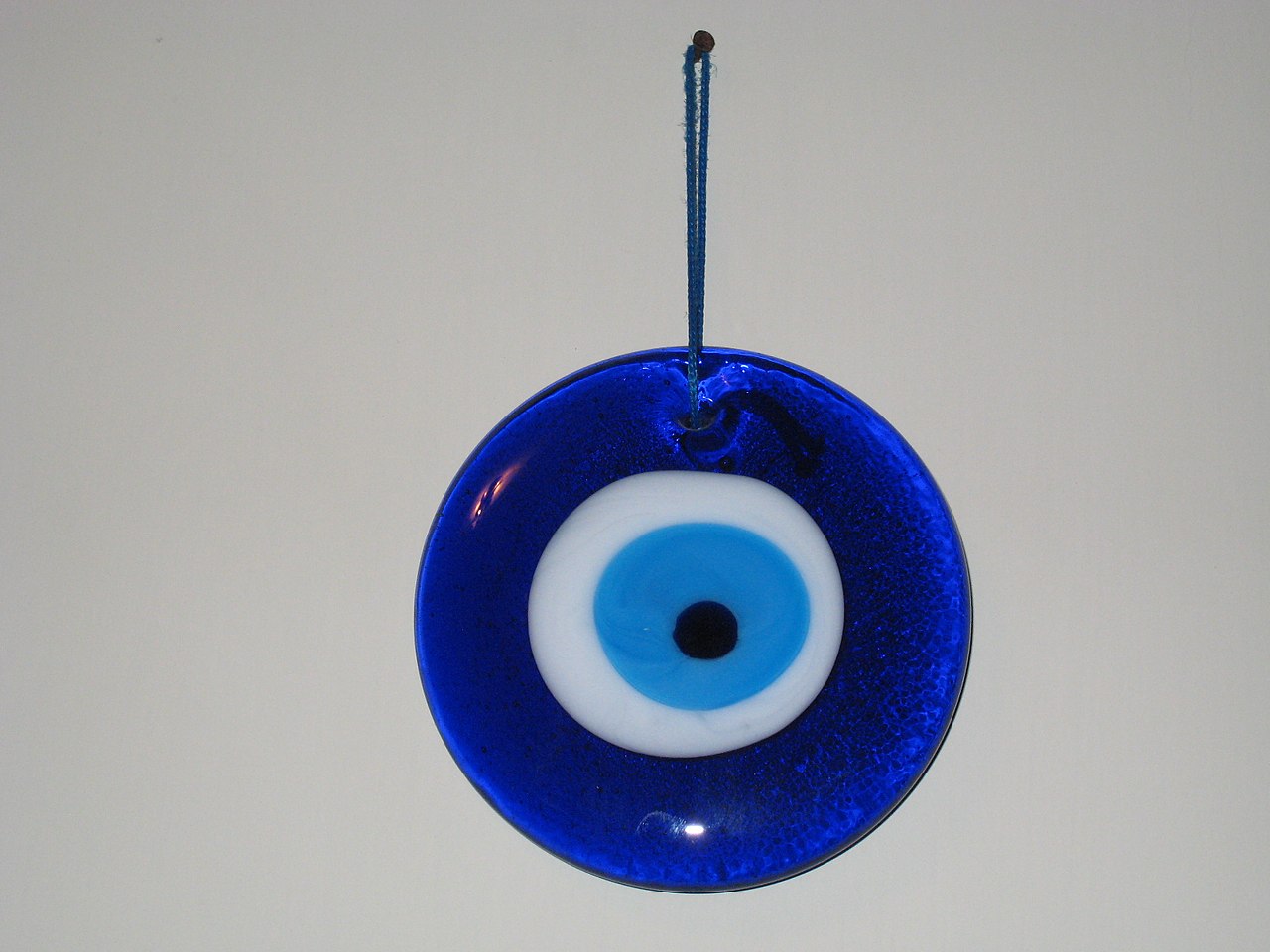


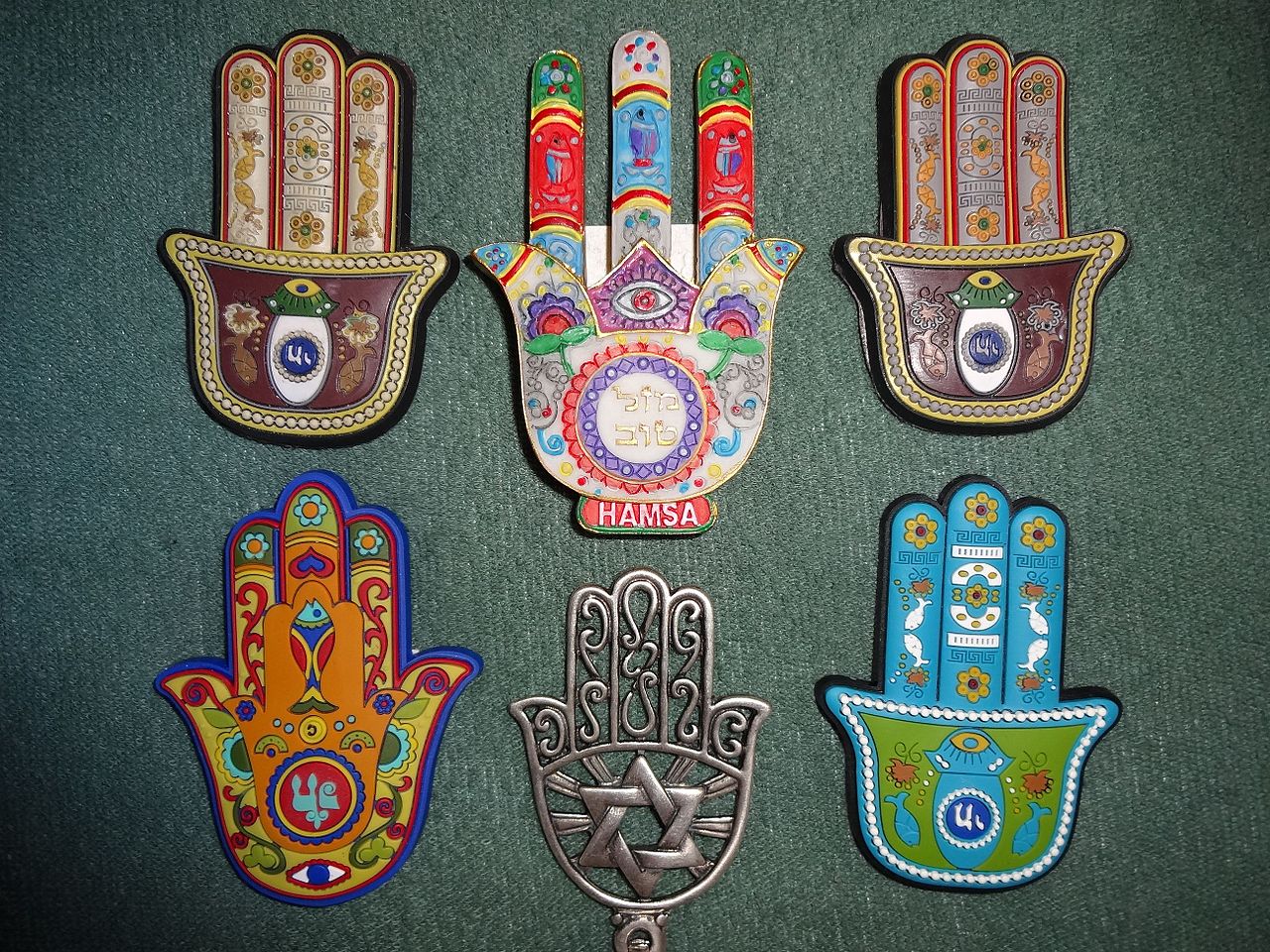


Forms and materials
Amulets take many physical forms. Common examples include objects made from metal, stone, plant material or crafted as images and words. Typical types are:
- Statues or small carved figures kept in homes or shrines.
- Coins or tokens carried for fortune or remembrance.
- Drawings and symbols inscribed on paper, cloth, or metal.
- Pendants and wearable charms hung from a chain or cord.
- Rings set with stones or inscriptions and worn on the finger.
- Plants and botanical items preserved or worn as tokens.
- Animal parts such as teeth or shells historically used as protective items.
- Even words and short phrases are treated as amulets when spoken, written, or displayed.
Historical and cultural background
Belief in amulets is ancient and global. Examples appear in ancient Near Eastern, Mediterranean, African, Asian and Indigenous American contexts. Amulets could be personal jewelry, household objects, or community talismans. Famous motifs—such as hand symbols, eye motifs and protective inscriptions—recur in unrelated cultures because of shared human concerns about illness, misfortune and social danger.
Uses and notable examples
People use amulets for a variety of everyday purposes: protection on travels, safeguarding infants, improving health or influencing luck. Well-known examples include the Hamsa hand, the evil eye or nazar, the Eye of Horus, St Christopher medals kept by some travelers, horseshoes placed above doorways, and simple folk charms like a four-leaf clover. Phrases such as "vade retro satana" are historically cited as verbal amulets; the term Satan appears in such formulas.
Amulets intersect religion, folklore and personal superstition. Museums hold archaeological examples while contemporary artisans reproduce traditional types for jewelry and collectibles. Because some amulets incorporate organic or animal parts, their production can raise conservation and ethical concerns.
Distinctions and current perspectives
Scholars often distinguish an amulet—primarily protective—from a talisman, which is intended to attract a specific advantage (wealth, success, love). In practice the distinction blurs: many objects are treated as both. Modern interest in amulets spans scholarly study, religious practice, fashion and popular culture; their meanings continue to adapt as they move between ritual, commerce and personal expression. For further reading on etymology and cultural examples see entries linked to the term Latin amuletum and to topics of good luck and protection.
Related articles
Author
AlegsaOnline.com Amulet: Objects Believed to Bring Luck and Protection Leandro Alegsa
URL: https://en.alegsaonline.com/art/3686