
Ancient Egyptian concept of the soul
A clear overview of how ancient Egyptians conceived the human soul — its main components (Ren, Ba, Ka, Sheut, Ib), roles in life and death, funerary practices, and later interpretations.
The people of ancient Egypt developed a complex picture of personal identity in which the ancient Egyptians understood the soul as composed of several distinct but interacting elements. Rather than a single immaterial substance, identity was distributed across named parts, each with its own functions and associations. These ideas shaped daily attitudes, ritual behavior and the elaborate funerary customs intended to preserve the person after death.
Image gallery
6 Images




Principal components
- Ren — the personal name. The Egyptians believed one’s true name carried power; inscribing it on monuments and tombs helped secure memory and continued existence.
- Ka — the vital double. Often described as a life-force or spiritual twin, the Ka needed sustenance (food offerings) and remained tied to the body and tomb unless properly provided for by the living.
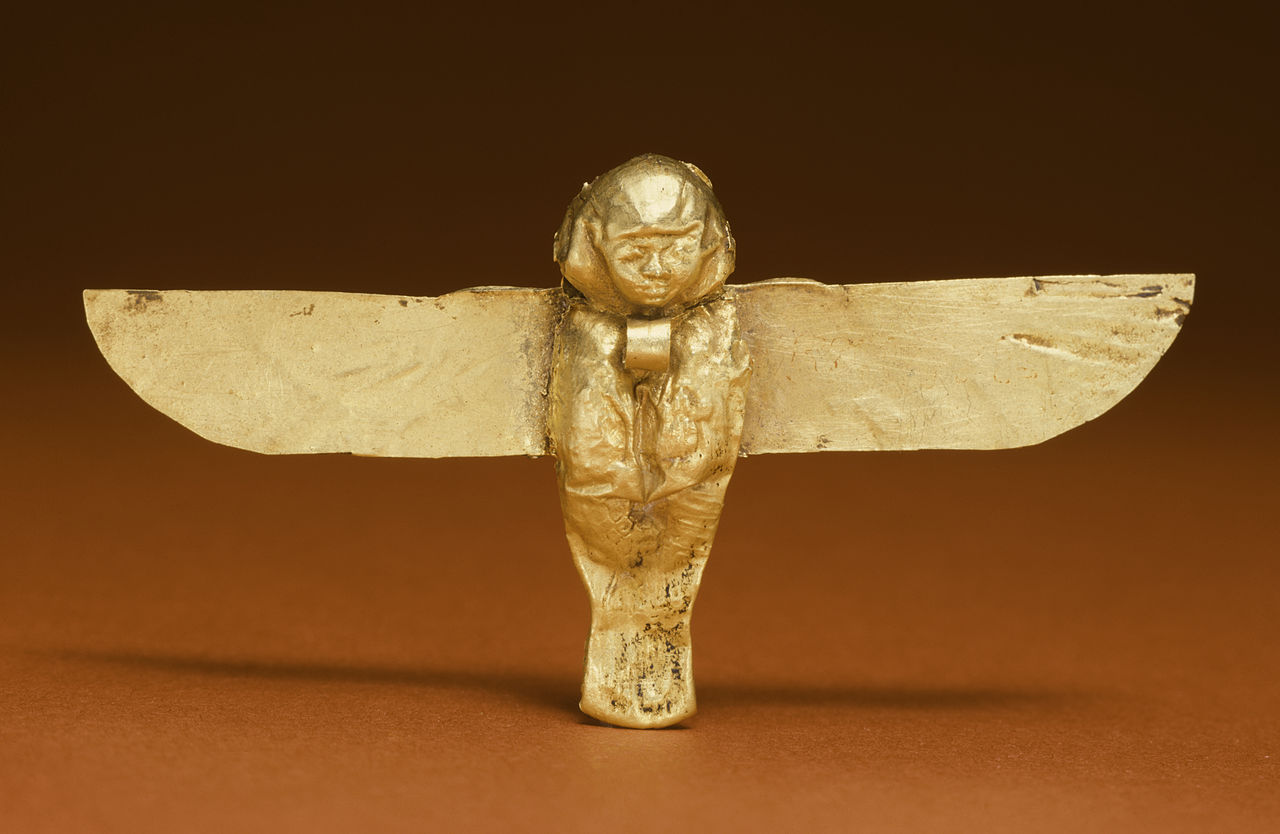
- Ba — the personality or mobility of the soul. Frequently depicted in art as a human-headed bird, the Ba could move between the tomb, the world of the living and the afterlife.
- Sheut — the shadow. More than a physical consequence of light, the shadow represented an ever-present part of identity and sometimes a protective or ambiguous companion to the person.
- Ib — the heart. Considered the seat of thought, emotion and moral awareness, the ib played a central role in judgment scenes and was often left in place during mummification because of its importance.
Over time other related notions appeared in funerary texts and spells, such as the akh—a transfigured effective spirit achieved after successful rites. Egyptian beliefs were not static; they evolved across millennia and varied by region, social class and period, but the multi-part soul remained a durable framework.
These components informed many practical aspects of Egyptian life. Tomb inscriptions, offerings, mummification techniques and amulets were designed to protect particular aspects (for example, preserving the name on stelae, providing food for the ka, or depicting the ba to ensure mobility). The famous "weighing of the heart" motif in later traditions connects the ib with moral evaluation before the afterlife.
Modern scholars reconstruct these ideas from funerary texts, tomb art and burial equipment. While translations and interpretations can vary, the division of soul-attributes into Ren, Ba, Ka, Sheut and Ib remains a useful way to understand ancient Egyptian conceptions of personhood and the cultural importance of memory, social bonds and ritual care.
For introductions and further reading see general overviews of Egyptian religion and funerary practice: ancient Egyptian culture, specialized studies on the soul, and entries focused on the Ba and Ka.
Related articles
Author
AlegsaOnline.com Ancient Egyptian concept of the soul Leandro Alegsa
URL: https://en.alegsaonline.com/art/3840