
Andromache: Trojan noblewoman, wife of Hector and later queen of Epirus
Andromache, wife of Hector in Greek myth, is known for her mourning in the Iliad, the fate of her son Astyanax, and her later life as captive and queen after the fall of Troy.
Andromache is a prominent figure in Greek mythology, remembered chiefly as the devoted wife of Hector and the mother of Astyanax. Her story appears in epic and tragic traditions and serves as a human, domestic counterpoint to the martial narratives surrounding Troy. Classical sources emphasize her loyalty, the domestic burdens of war, and the long consequences of defeat for noncombatants.
Image gallery
6 Images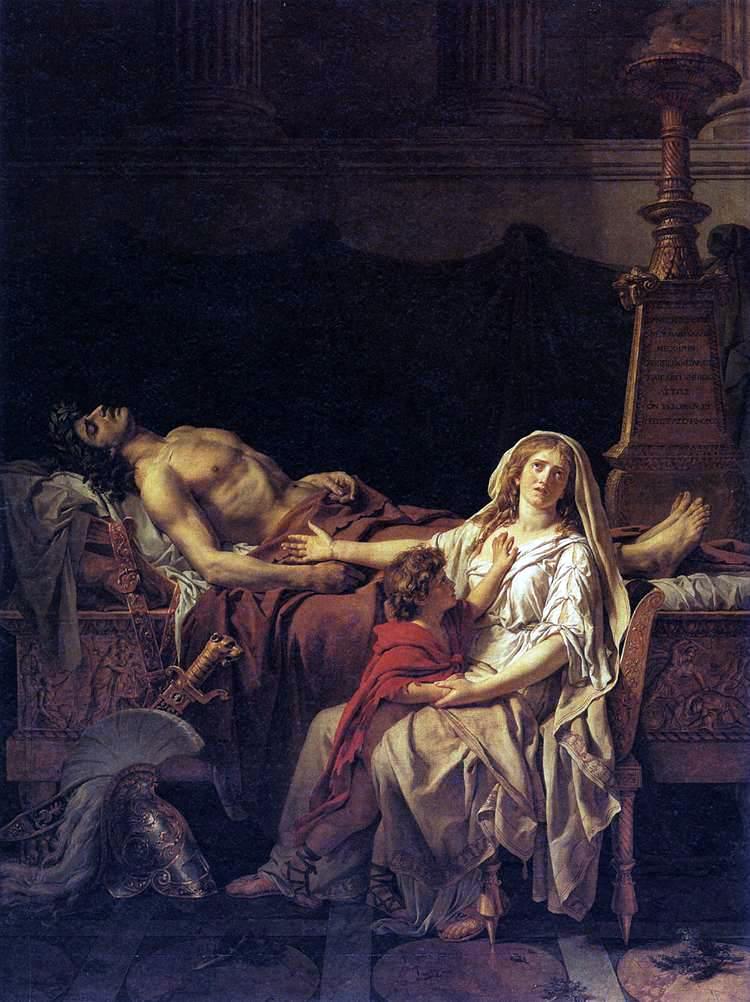


Role in the Iliad and characterization
In Homer's epic, Andromache is portrayed with restraint and pathos. Her most famous scene is the private encounter with Hector in which she pleads with him to avoid battle so he will not leave her a widow and their child fatherless. This episode highlights themes of family, fate, and the cost of heroic honor. The portrayal underlines her intelligence, piety, and the everyday courage required of those left behind in wartime. She appears in the broader cycle of Trojan stories as a symbol of loss and maternal grief.
Aftermath of the fall of Troy
When the Trojan War ends, various later accounts describe Andromache's capture and enslaved life. According to post-Homeric traditions, she was taken as a concubine by Neoptolemus (also called Pyrrhus), son of Achilles, and brought away from Troy. Her young son Astyanax is said to have been killed during the sack of the city, an act often cited to prevent the reemergence of Trojan heirs. These painful outcomes emphasize the vulnerability of civilians after warfare.
Later marriage and descendants
Several sources relate that after Neoptolemus's death Andromache married his captive brother Helenus, a Trojan prince and seer. By this union she became associated with the rule of Epirus and is credited in mythic genealogies with bearing children by Neoptolemus, including the ancestor Molossus, linking Trojan lineage to later Greek dynasties. These episodes illustrate how myth often connects fallen royal houses to new political orders.
Legacy and cultural reception
Andromache's figure inspired later poets and dramatists. She is the central focus of tragedies and sympathetic portrayals that explore themes of widowhood, captivity, and survival. Her name endures as a literary archetype of the loyal and suffering wife, and she appears in art, drama, and modern retellings that examine the civilian cost of war.
- Key associations: Greek mythology, Hector, Astyanax.
- Representative themes: marital fidelity, maternal loss, slavery after war.
- Notable adaptations: ancient tragedies and modern fiction exploring her perspective.
Though accounts differ in detail across sources, Andromache remains one of the most powerful human figures in the Trojan tradition: defined less by battlefield deeds than by the moral and emotional consequences of war for ordinary lives.
Related articles
Author
AlegsaOnline.com Andromache: Trojan noblewoman, wife of Hector and later queen of Epirus Leandro Alegsa
URL: https://en.alegsaonline.com/art/4045