
Ring (jewelry): types, materials, history and uses
A ring is a circular band usually worn on the finger as jewelry, symbol or tool. This article covers its forms, materials, history, uses, and cultural meanings, and points to related topics and notable examples.
Overview
A ring is a circular ornament or functional band traditionally worn on a finger but also used on other parts of the body or objects. Rings range from simple metal circles to elaborate settings that hold gemstones, enamel, or carved materials. They serve decorative, social, legal and ceremonial functions across cultures. For the mathematical concept, see Ring (mathematics).
Image gallery
10 Images


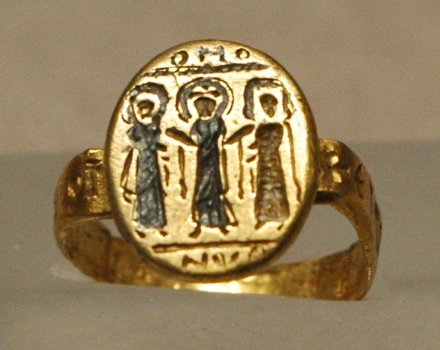

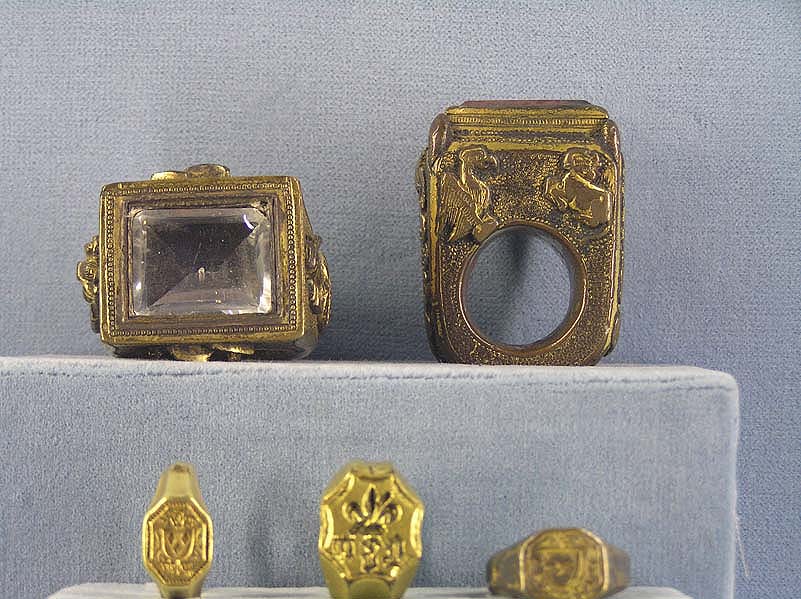


Structure, materials and common features
Typical rings have a continuous band that can be plain, engraved or adorned. Common metals include gold, silver and platinum, and many rings are alloyed for strength. Alternatives include wood, bone, glass, ceramic and modern composites. Gemstones such as diamonds, rubies and sapphires are frequently mounted in settings that range from simple bezels to complex prong arrangements. Rings may be sized to fit a particular finger or made adjustable.
History and symbolism
Rings have ancient origins: archaeological finds show bronze and gold bands in early civilizations. Over centuries they became symbols of marital commitment, authority and office. In legal and civic contexts, certain rings mark rank—historic examples include the signet ring used to seal documents and the ceremonial rings exchanged or bestowed upon officeholders. In some traditions religious officials wear distinctive rings as part of their insignia.
Uses and social meanings
Rings can indicate personal relationships (engagement and wedding rings), membership (class rings, fraternal rings) or achievement (championship rings). They function as fashion accessories as well as markers of wealth or status. Rings may also have practical roles: signet rings can carry engraved seals, and some modern designs incorporate technology (for example, wearable devices). Customs vary: in many cultures people wear rings on particular fingers for specific meanings, and some courts or offices historically required the return of ceremonial rings when an officeholder left post.
Types and examples
- Wedding and engagement rings — symbols of marital commitment.
- Signet and seal rings — used to authenticate documents.
- Fashion rings — varied designs for aesthetic use (finger-worn accessories).
- Ceremonial rings — worn by officials or clergy as marks of office; see examples of the Lord Chancellor and senior clergy.
- Material variations — metals like metal alloys, gold, silver, platinum, and alternatives such as bone or glass.
Rings intersect with fashion, craft and culture. They are studied by jewelers and historians and remain one of the most enduring personal adornments. For broader context about jewelry and accessories, see general resources on fashion accessories. Further reading can explore specific materials, historical uses and modern innovations.
Questions and answers
Q: What is a ring?
A: A ring is a piece of jewelry that is usually worn on the finger. It is usually made of metal such as gold, silver, or platinum, but can also be made from other materials like bone or glass.
Q: What are rings often decorated with?
A: Many rings have gemstones on them for beauty and decoration.
Q: Why do some people wear rings?
A: Rings are often used as a fashion accessory and sometimes as a sign of importance or status.
Q: How were Lord Chancellors in England identified?
A: The Lord Chancellors of England were given a ring when taking office and returned it when leaving the position. This identified them as the second most important person in the kingdom.
Q: Do members of certain religions wear rings?
A: In most religions, senior clergy have rings of their office which they wear to signify their rank within the church.
Q: How do members of churches show respect to these religious figures wearing rings?
A: It is standard practice for members of a church to kneel and kiss the ring as a sign of faith and obedience.
Related articles
Author
AlegsaOnline.com Ring (jewelry): types, materials, history and uses Leandro Alegsa
URL: https://en.alegsaonline.com/art/82966
Sources
- serliandsiroan.com : "Engagement Ring Trends"