
Gaia hypothesis
The Gaia hypothesis proposes that life and Earth's nonliving components form an interacting, self-regulating system that helps maintain conditions suitable for life, proposed by James Lovelock and Lynn Margulis.
The Gaia hypothesis suggests that the biosphere and the physical components of Earth—atmosphere, oceans, crust—act together as a complex, interacting system that tends to maintain environmental conditions favorable to life. The name alludes to the Greek earth goddess Gaia, and the idea emphasizes system-level feedbacks rather than intention or purpose.
Image gallery
10 Images



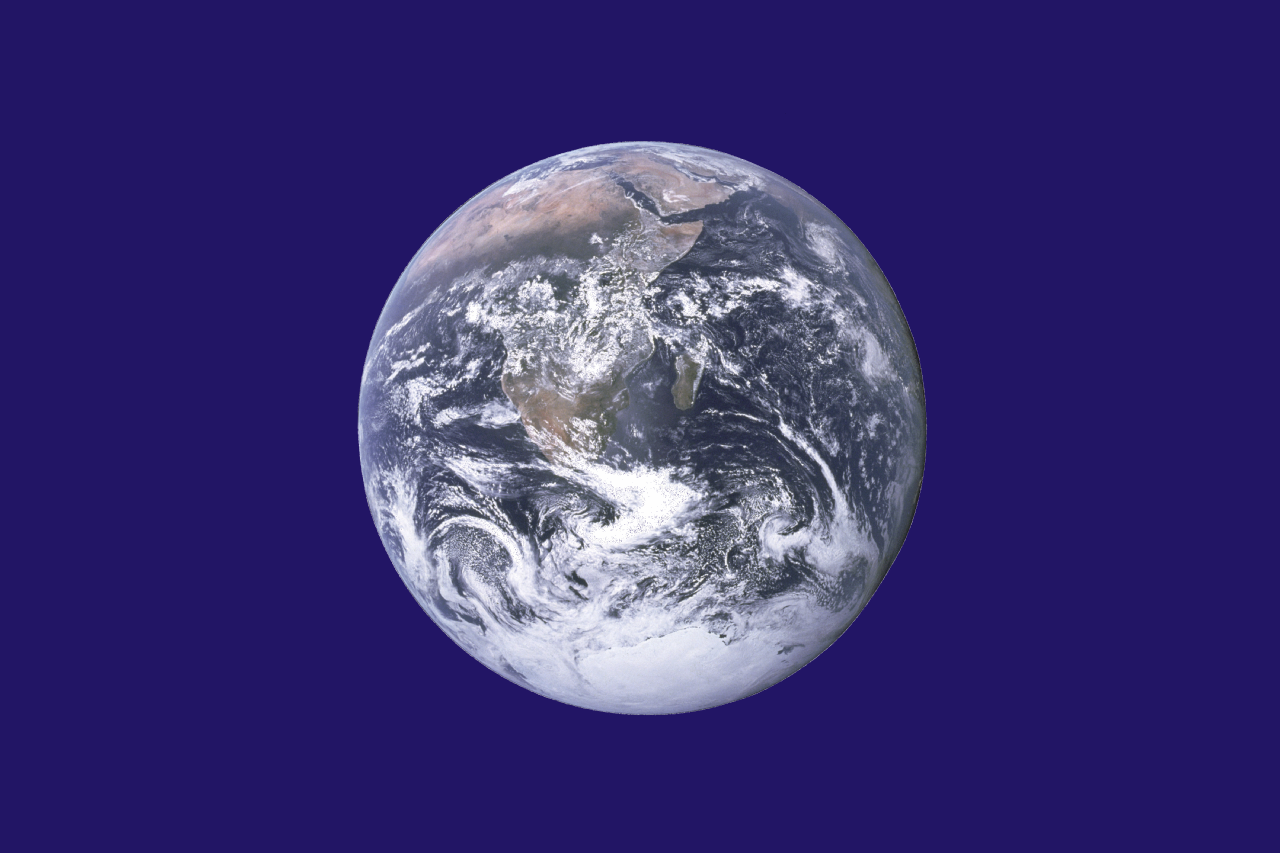




Core idea and mechanisms
At its core, Gaia describes how living organisms influence nonliving aspects of the planet and how those changes feed back on life. Biological processes—photosynthesis, respiration, nutrient cycling, weathering, and microbial metabolism—alter atmospheric composition, ocean chemistry, soil properties and surface reflectivity (albedo). Through negative and positive feedback loops, these interactions can stabilize or shift climate and chemistry over different time scales.
Examples and simplified models
- Atmospheric regulation: the rise of oxygen from photosynthetic organisms dramatically altered atmospheric chemistry and enabled aerobic life.
- Carbon and climate: vegetation and marine organisms influence the carbon cycle, affecting greenhouse gas levels and climate.
- Conceptual models such as Daisyworld illustrate how simple biota–environment feedbacks could produce planetary homeostasis without foresight.
History and scientific reception
The modern formulation emerged in the 1970s, developed by James Lovelock with contributions from microbiologist Lynn Margulis. Lovelock framed Gaia as a testable hypothesis within Earth system science. Initially controversial because critics accused it of teleology or of invoking purposeful regulation, the idea prompted new research into global biogeochemical feedbacks and led to refined distinctions between metaphor, useful modeling frameworks, and literal claims.
Impact, uses, and distinctions
Gaia has influenced fields such as climate science, ecology, astrobiology and Earth system modeling by encouraging integrated thinking about life–environment coupling. Researchers distinguish between a weak interpretation—life significantly affects environment—and a strong interpretation that treats Earth as a single living organism. Most scientists accept biotic influence on planetary processes while rejecting any implication of conscious purpose. For further reading on system perspectives and critiques, see discussions of Earth system theory and biosphere feedbacks (environmental context, systems perspective, scientific debate).
Related articles
Author
AlegsaOnline.com Gaia hypothesis Leandro Alegsa
URL: https://en.alegsaonline.com/art/37210