
Friedrich August Kekulé von Stradonitz — German chemist who proposed the benzene ring
Biography and significance of Friedrich August Kekulé von Stradonitz (1829–1896), his education, the proposal of the benzene ring, contributions to structural organic chemistry, and historical context.
Overview
Friedrich August Kekulé von Stradonitz (1829–1896) was a German organic chemistry researcher and teacher whose ideas helped establish the modern picture of how carbon atoms bond to form stable frameworks. Often cited simply as August Kekulé, he combined experimental observation with theoretical reasoning to propose models for molecular connectivity that influenced generations of chemists. He is best known for proposing that benzene consists of a six-membered ring of carbon atoms with alternating single and double bonds, an idea that shaped the development of structural organic chemistry.
Image gallery
3 Images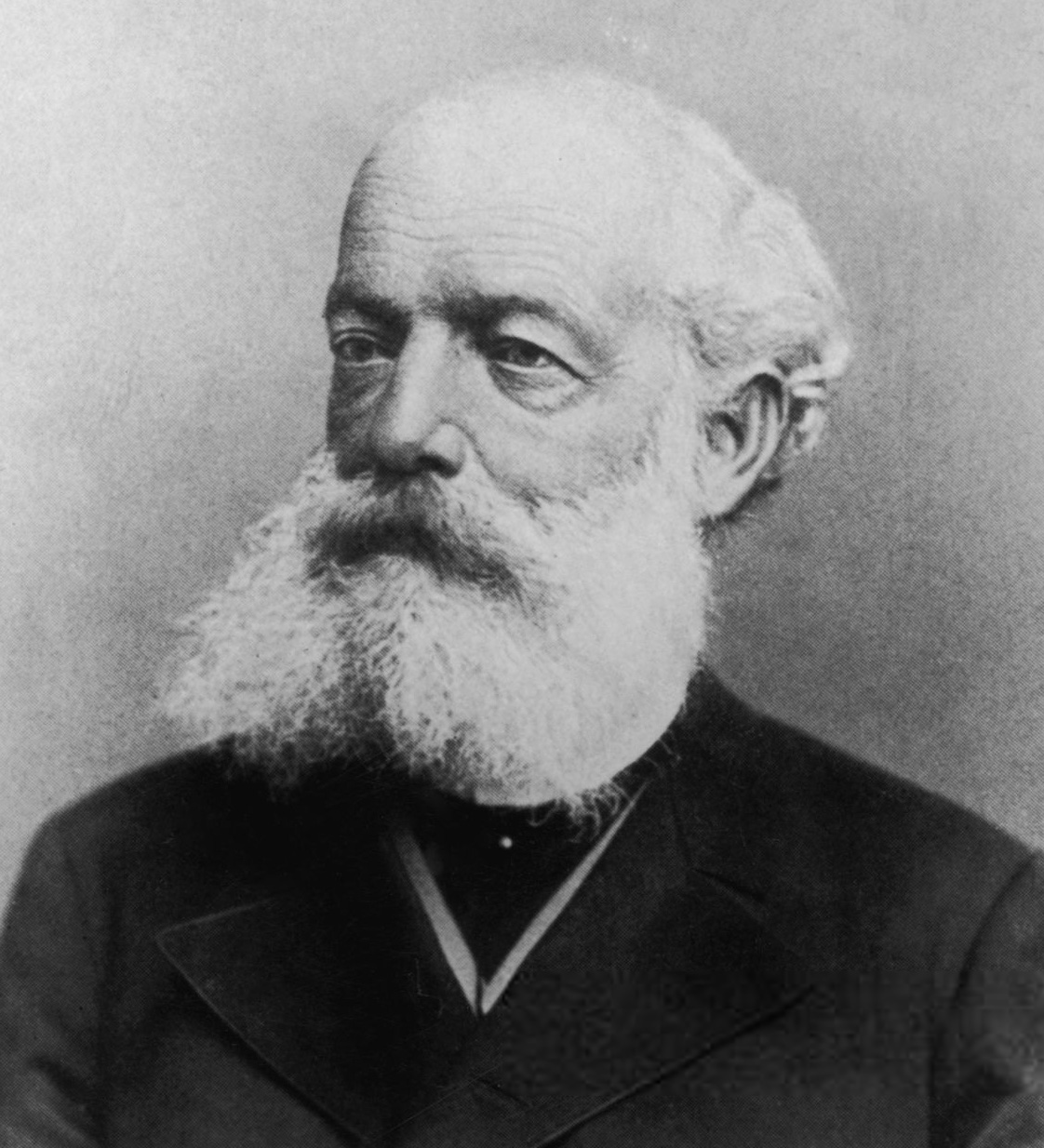
Education and early career
Kekulé was born in Darmstadt and began higher education intending to study architecture. After attending lectures by Justus von Liebig, he shifted to chemistry at the University of Giessen. He continued his training with study and research stints that broadened his exposure to contemporary methods: a period in Paris, work in Chur in Switzerland, and time in London, where contact with Alexander Williamson and others left a lasting impression on his approach to molecular structure. These formative years combined theoretical teaching and practical laboratory work that prepared him for an academic career.
Academic appointments and research focus
Kekulé held a professorship at the University of Ghent before accepting a chair at the University of Bonn, where he spent much of his productive career. His research centered on compounds built from carbon and the patterns by which atoms could join to form rings and chains. He taught and supervised many students, helping spread the structural view of organic molecules across Europe during a period when chemical bonding and valence were being actively debated and clarified.
The benzene problem and Kekulé’s proposal
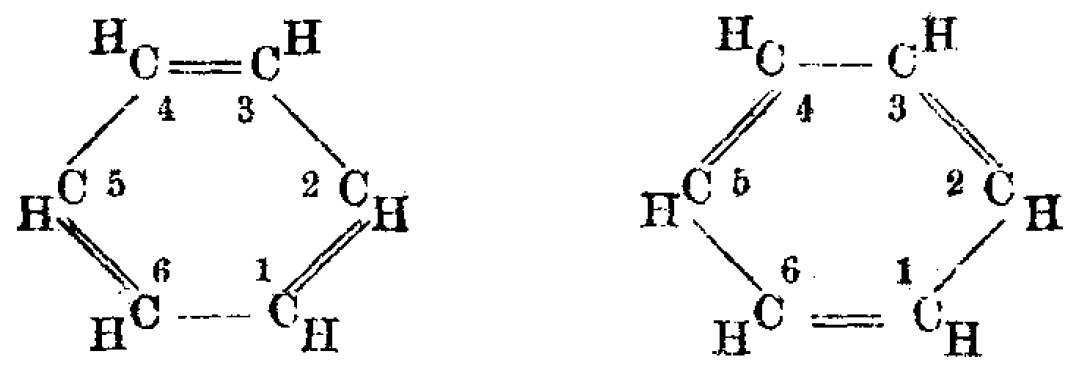
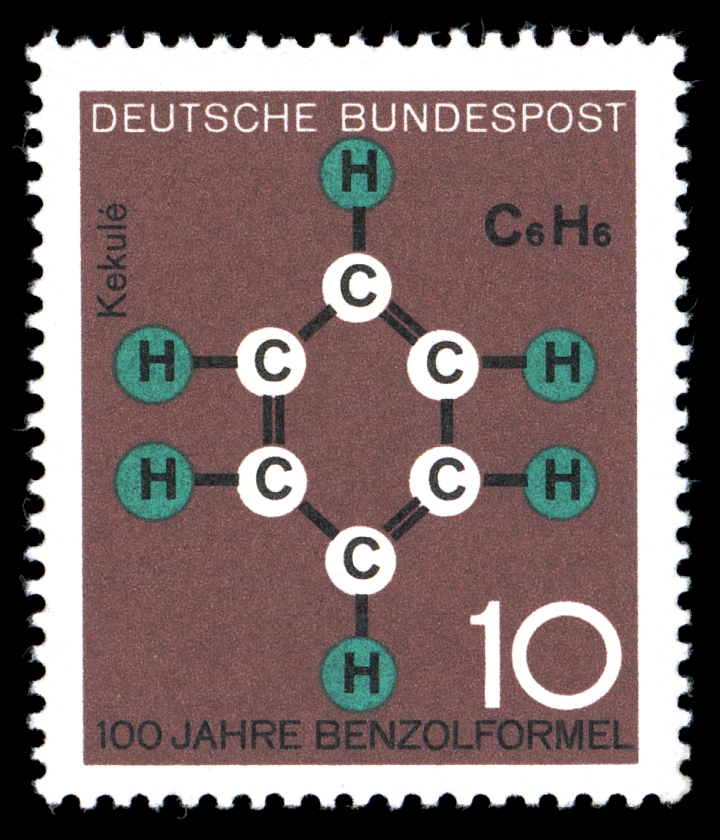
The structure of benzene presented a puzzle because its empirical formula suggested a high degree of unsaturation but its chemical behavior did not match that expected of typical polyenes. In 1865 and in a more extensive 1866 paper he proposed that benzene is best represented by a closed loop of six carbon atoms arranged in a ring, each carbon bonded to one hydrogen, with alternating single and double bonds between the carbon atoms. In his original statements he presented this concept in French and later in German, arguing that a cyclic arrangement explained benzene's properties better than previously suggested linear or multiple-ring formulas. He described a hexagonal framework of six carbon atoms, a model that proved durable even as later quantum-mechanical and resonance descriptions refined the details of bonding.
Context, contemporaries and debate
The idea of specific connectivity among atoms was emerging at the same time from several investigators. Chemists such as Archibald Scott Couper and Joseph Loschmidt had suggested multiple-bonded or multi-ring alternatives earlier, and experimental evidence was still accumulating. Kekulé's ring model provided a clear structural hypothesis that could be tested and discussed, and it played a central role in shifting chemistry toward structure-based explanations of reactivity and synthesis.
Legacy and notable facts
Kekulé’s proposal for benzene became a cornerstone of structural organic chemistry. Later developments—most importantly the concepts of resonance and aromaticity—supplemented and refined his alternating-bond picture, explaining benzene’s unusual stability and equal bond lengths. Anecdotes about Kekulé’s inspiration—such as a reported reverie in which he visualized a snake seizing its tail—are frequently retold but difficult to verify; they are best regarded as illustrative of the way scientists narrate discovery rather than as literal records of events. During his lifetime and posthumously he was recognized for his teaching and for articulating an approach to molecular architecture that remains fundamental.
Selected themes and influence
- Structural theory: helped establish the practice of writing chemical structures to represent connectivity and valence.
- Education: important mentor and professor who transmitted structural thinking to students across Europe.
- Historical place: his ring model set the stage for later concepts of aromaticity and for modern theories of bonding in organic chemistry.
For further context on institutions, people and concepts mentioned here, see contemporary sources and specialized histories of 19th-century chemistry. Related names and places in Kekulé’s life and work appear throughout the article as pointers to deeper material: chemist, organic studies, the city of Darmstadt, his interest in architecture, training at Giessen, research phases in Paris and London, time in Chur, later work on carbon and benzene, and the original language of some publications in French. Detailed archival or primary-source study will provide precise dates and complete bibliographic records for his papers and lectures.
Related articles
Author
AlegsaOnline.com Friedrich August Kekulé von Stradonitz — German chemist who proposed the benzene ring Leandro Alegsa
URL: https://en.alegsaonline.com/art/36717