
Friedrich Ostermann — German Roman Catholic Auxiliary Bishop
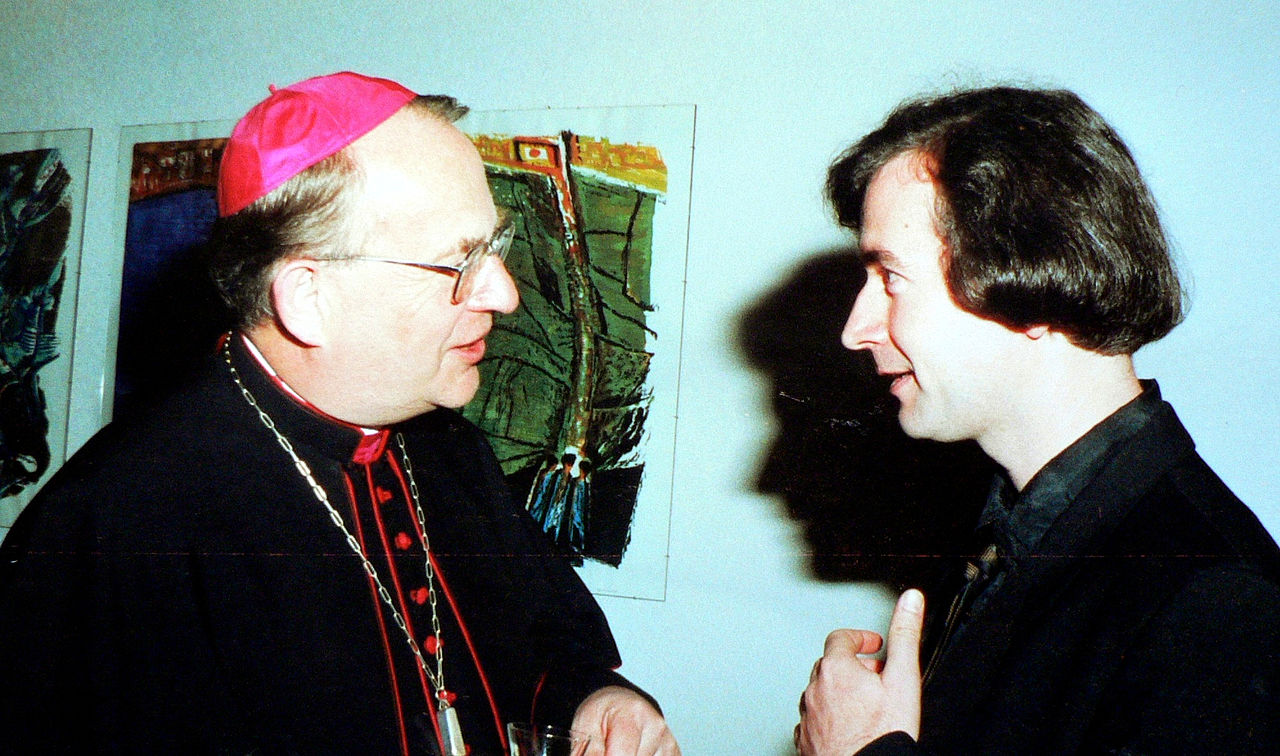
Friedrich Ostermann (1932–2018) was a German Roman Catholic priest who served as an auxiliary bishop in the Diocese of Münster. Ordained in 1958, he retired in 2007 and died in 2018.
Overview
Friedrich Ostermann (21 June 1932 – 22 October 2018) was a German Roman Catholic clergyman who served for many years as an auxiliary bishop in the Diocese of Münster. Born in the city of Münster, he was ordained to the priesthood on 11 February 1958 and later became a senior diocesan official before resigning his episcopal duties in June 2007.
Image gallery
4 Images

Biography
Ostermann’s life spanned the postwar period in Germany and the significant changes within the Catholic Church that followed the Second Vatican Council. After his ordination in 1958 he carried out parish and diocesan responsibilities typical for priests of his generation, combining sacramental ministry, pastoral care and administrative work. Over the decades he developed experience that led to his appointment as an auxiliary bishop for the Diocese of Münster.
Role and responsibilities
As an auxiliary bishop, Ostermann assisted the diocesan bishop in managing a large and historically significant German diocese. Auxiliary bishops commonly take on duties such as celebrating confirmations, representing the bishop at events, overseeing particular pastoral regions or departments, and supporting clergy formation and diocesan governance. Ostermann’s service helped sustain ordinary pastoral life and administrative continuity in the diocese.
Service, retirement and death
He resigned from his episcopal office in June 2007, entering retirement after decades of priestly and episcopal ministry. He remained a figure of reference for local Catholics and clergy until his death in Münster on 22 October 2018 at the age of 86. His long ministry reflected the experience of many postwar German clergy who guided parishes and dioceses through social change.
Legacy and context
While Ostermann is primarily remembered within the regional church community of Münster, his career illustrates broader themes in contemporary Catholic history: the pastoral priorities of the post‑Vatican II era, the role of auxiliary bishops in large dioceses, and the continuity of local ecclesial leadership. His life underscored a commitment to sacramental ministry, diocesan service and pastoral care that shaped local parish life for generations.
Typical duties of an auxiliary bishop
- Support the diocesan bishop in pastoral governance and administration.
- Preside at confirmations, ordinations and other sacramental celebrations.
- Represent the diocese at civic and church events when needed.
- Assist in supervising clergy, religious education and charitable initiatives.
Related articles
Author
AlegsaOnline.com Friedrich Ostermann — German Roman Catholic Auxiliary Bishop Leandro Alegsa
URL: https://en.alegsaonline.com/art/36723
Sources
- muensterschezeitung.de : Münstersche Zeitung
- kirche-und-leben.de : Kirche & Leben