
Chur — capital of the Swiss canton Graubünden
Chur is the administrative centre of Graubünden in eastern Switzerland. With ancient settlement layers, a preserved old town and a role as an Alpine transport hub, it blends history with modern regional importance.
Overview
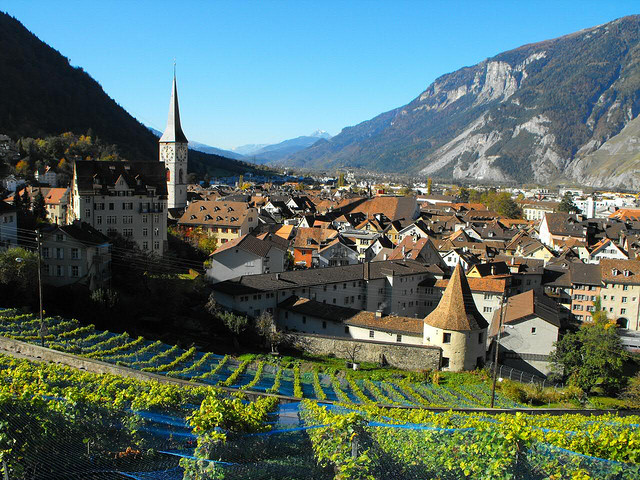
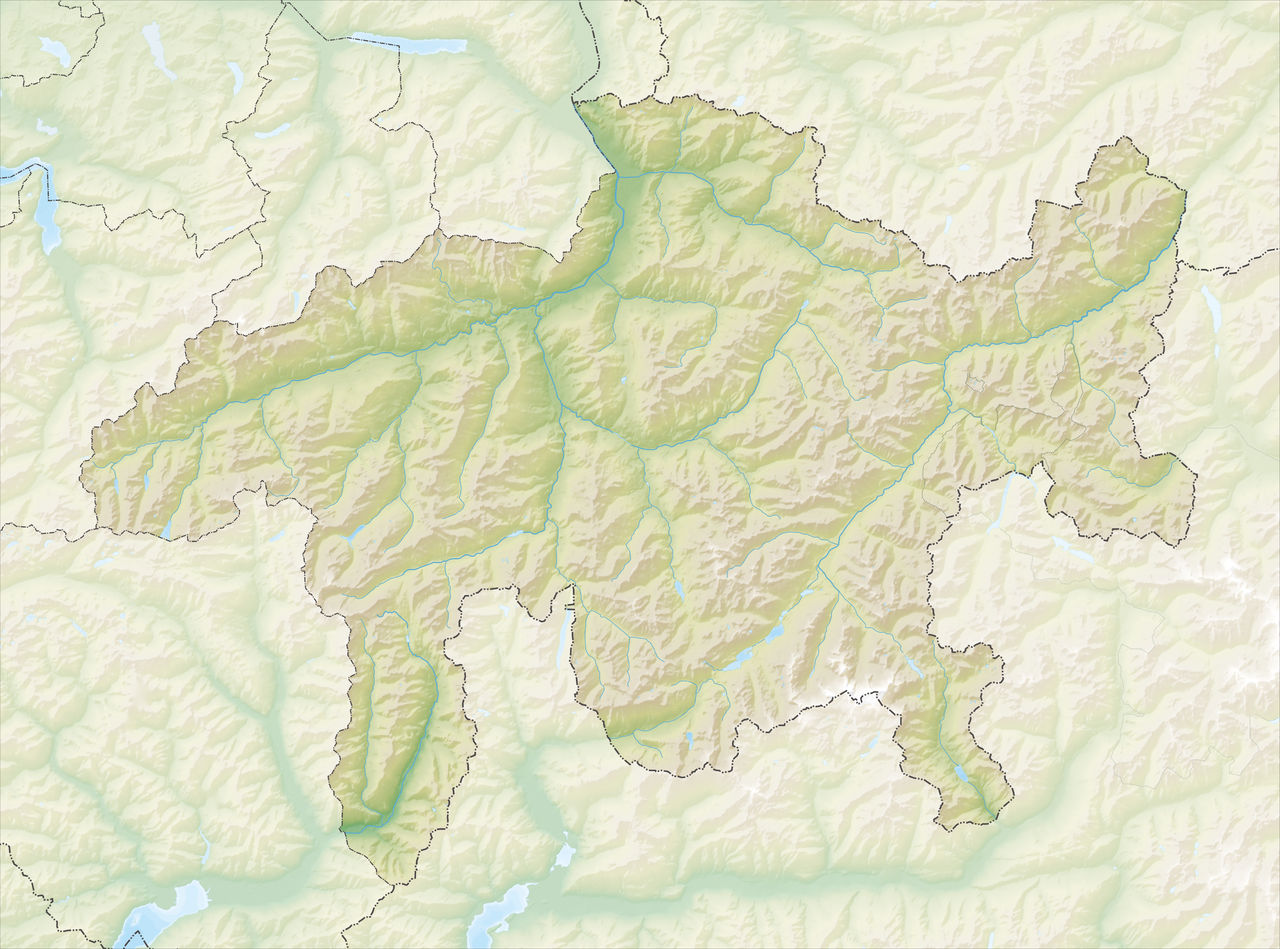
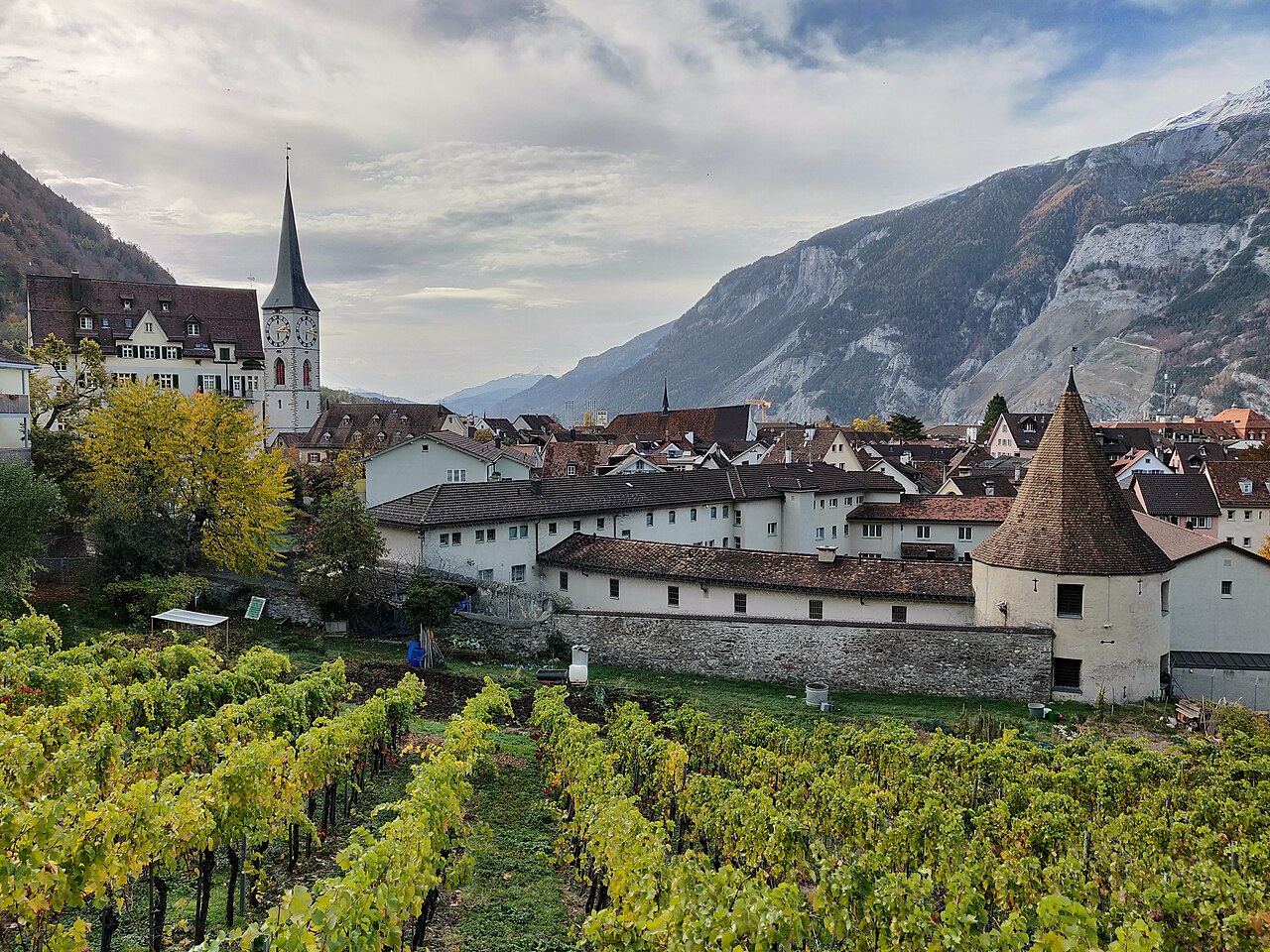
Chur (Romansh: Coira) is the principal city and administrative centre of the canton of Graubünden in eastern Switzerland. It lies on a bend of the Rhine River and has a population of about 34,000 residents. The city functions as a regional service, cultural and transport hub for the surrounding Alpine valleys and is frequently described as one of the oldest continuously inhabited settlements in Switzerland.
Image gallery
10 Images




Name and origins
The name Chur appears in several historical forms and is commonly linked to ancient roots: it may derive from a Celtic word such as kora or koria, meaning a community or tribe, or from the Latin curia, referring to an administrative or legal council. These linguistic possibilities reflect the area’s long sequence of cultural influences from prehistory, through Roman administration, into the medieval period.
Archaeology and early history
Archaeological work has uncovered remains that attest to human occupation in the region from prehistoric times. Traces associated with the Pfyn culture (Neolithic) indicate settlement as early as the fourth millennium BCE. Further finds from the Bronze and Iron Ages demonstrate continuing habitation and connectivity across the Alpine passes. During the Roman era the site became integrated into the networks north of the Alps, and a Christian community and bishopric emerged here in late antiquity; the Diocese of Chur is one of the earliest episcopal sees north of the Alps.
City fabric and landmarks
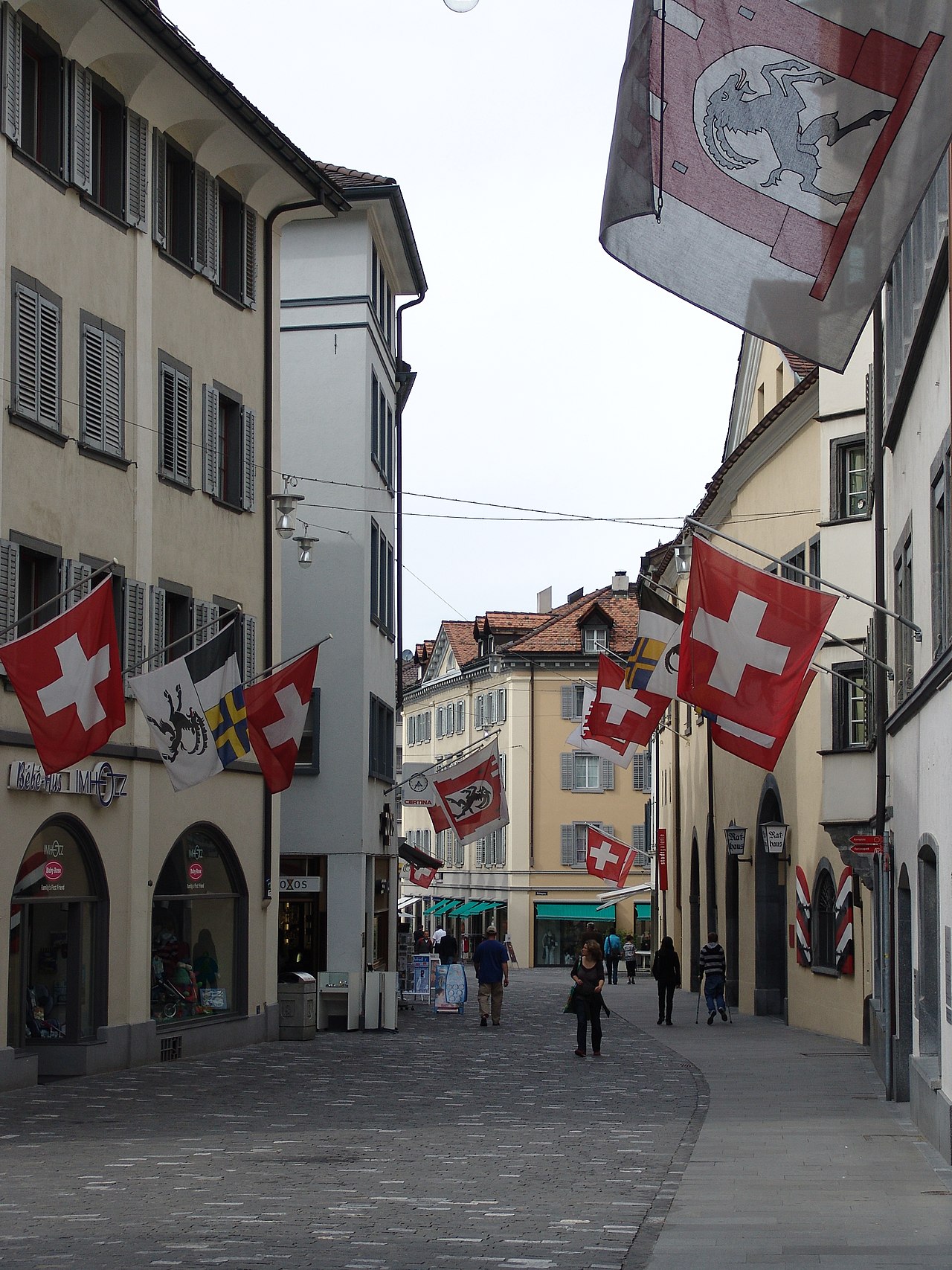
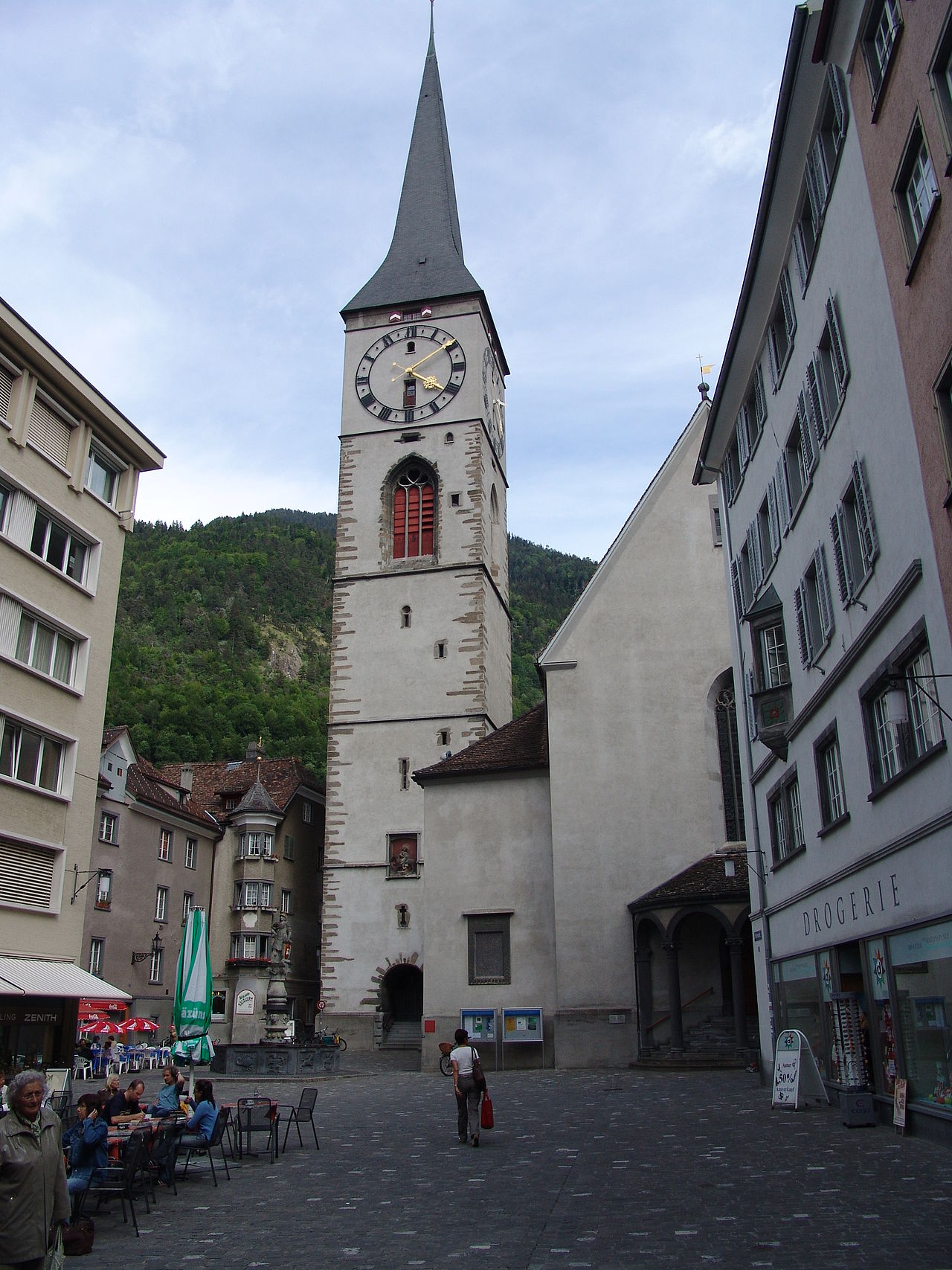
Chur’s compact Old Town preserves medieval street patterns, historic civic buildings and churches that reflect its long urban history. Key sites often visited include:
- Chur Cathedral (Cathedral of the Assumption), with a medieval core and notable interior furnishings;
- Historic Old Town streets and arcades, where timber-framed houses and stone façades survive;
- Museums and cultural institutions that interpret local archaeology, art and the multi-lingual traditions of Graubünden.
Transport, economy and tourism
Chur serves as an important railway junction for routes into the Engadin, Val Bregaglia and the Albula/Bernina lines, linking local communities and tourist destinations. It is a gateway to several Alpine passes and mountain railways, and its economy combines public administration, light industry, retail and services catering to both residents and visitors. The city is multilingual in character: German is dominant, but Romansh and Italian are also part of the canton’s linguistic landscape.
Administration, recent changes and notable facts
As the cantonal capital, Chur houses regional government institutions and cultural organizations. Administrative boundaries have changed over time: for example, the nearby municipality of Maladers merged into Chur on 1 January 2020. The city’s claim to great antiquity is widely cited in guidebooks and local histories, though such claims are cautious in academic contexts and based on successive archaeological layers rather than an unbroken documentary record.
For further information about Chur’s role as a canton capital and regional centre, see canton capital details and general background on Graubünden. Demographic references are available via population sources. Archaeological summaries and specific finds are discussed at resources such as prehistoric evidence, with Bronze Age and Iron Age materials noted in studies cited at Bronze Age and Iron Age. The early church presence is covered by overviews of the Diocese of Chur and its status north of the Alps. Recent municipal changes are documented in reports like the Maladers merger.
Related articles
Author
AlegsaOnline.com Chur — capital of the Swiss canton Graubünden Leandro Alegsa
URL: https://en.alegsaonline.com/art/20302
Sources
- bfs.admin.ch : "Arealstatistik Standard - Gemeinden nach 4 Hauptbereichen"
- bfs.admin.ch : "Ständige Wohnbevölkerung nach Staatsangehörigkeitskategorie Geschlecht und Gemeinde; Provisorische Jahresergebnisse; 2018"
- hls-dhs-dss.ch : German
- hls-dhs-dss.ch : French
- hls-dhs-dss.ch : Italian