
Friedrich III of Germany
German Emperor and King of Prussia for 99 days in 1888; a liberal-minded crown prince, husband of Victoria, Princess Royal, and a figure remembered for curtailed reform ambitions and brief reign.
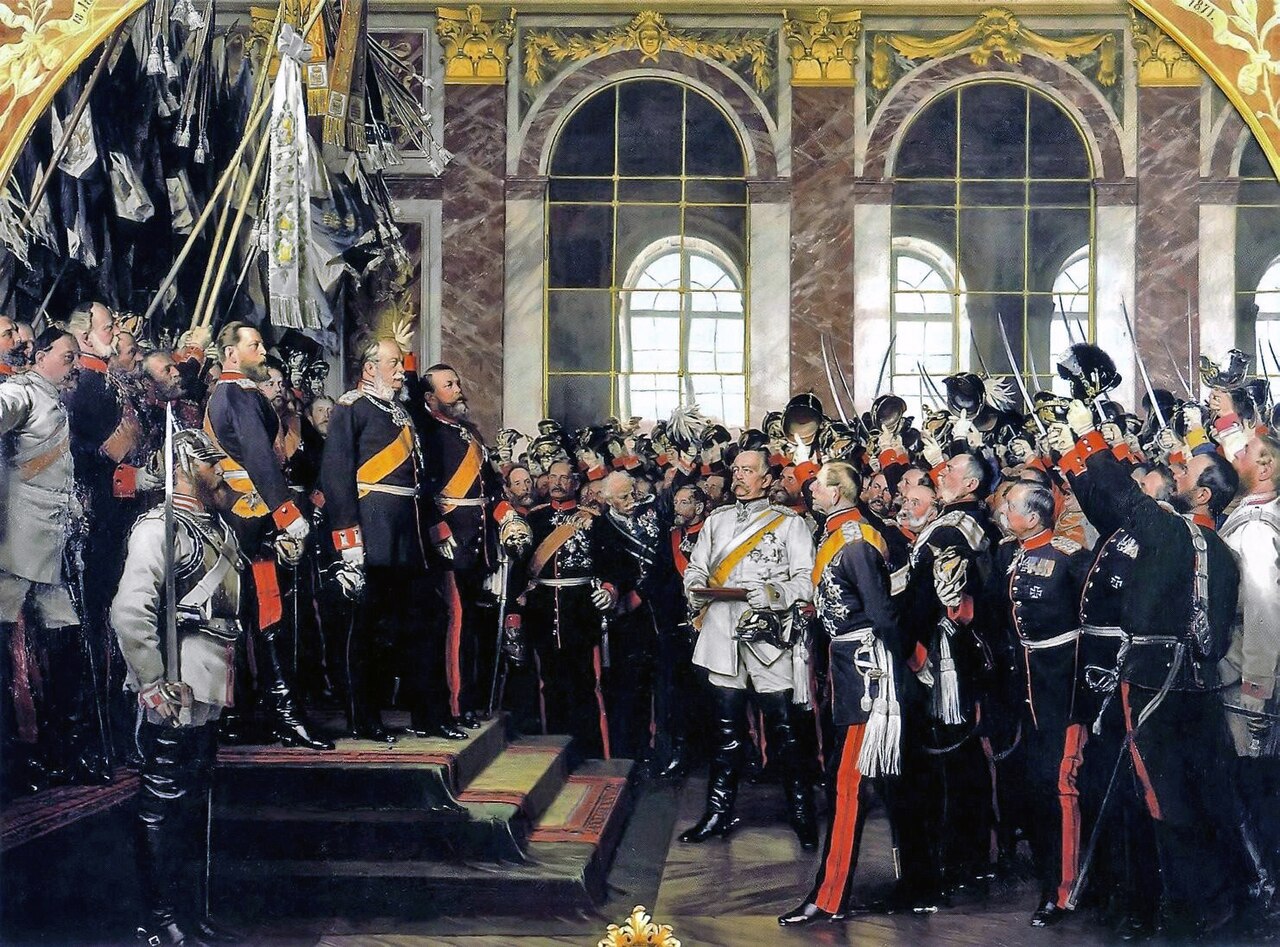
Friedrich Wilhelm Nikolaus Karl von Hohenzollern (18 October 1831 – 15 June 1888) was German Emperor and King of Prussia for ninety-nine days in 1888. Born at the New Palace in Potsdam (New Palace, Potsdam), he was the only son of King Wilhelm I. His brief tenure at the imperial throne followed decades as crown prince during the years of German unification, and is most often remembered for the hopes of moderate constitutional reform that his early death prevented.
Image gallery
10 Images


Life, family and training
Friedrich married Victoria, the eldest daughter of Queen Victoria of the United Kingdom, in 1858. The marriage was both a personal partnership and a political connection between the Prussian court and Britain. The couple had seven children; their eldest son succeeded him as emperor. Raised in the traditions of the Hohenzollern dynasty, Friedrich received a military education and the responsibilities of a crown prince, while also cultivating literary and liberal interests that set him apart from more conservative court figures.
As crown prince he combined public ceremonial duties with active military service in the wars of the 1860s and 1870s that produced German unification. He acquired a reputation among contemporaries as an able soldier and a moderate voice in Prussian politics, often sympathetic to constitutional government and parliamentary institutions. His anglophile wife influenced his outlook and advocated for more liberal policies within the imperial household.
Reign, illness and political aims
On 9 March 1888 Friedrich succeeded his father as King of Prussia and German Emperor (Emperor of Germany). He was, however, already seriously ill with a disease of the throat that medical observers later identified as malignant. Because of this illness his plans for political change—most notably a hoped-for recalibration of power between the monarchy, the government and the parliament—were never realized. During his short reign he was unable to remove or substantially curb the influence of Chancellor Otto von Bismarck, whose conservative statecraft contrasted with Friedrich’s more liberal instincts.
Friedrich died at the New Palace in Potsdam (New Palace, Potsdam) on 15 June 1888 and was buried alongside his wife in the mausoleum of the Friedenskirche in Sanssouci Park. His death led to the succession of his son, after which the political course of the empire shifted under the new emperor.
- Reign length: 99 days, making his tenure one of the shortest among modern European monarchs.
- Political stance: regarded historically as a liberal-leaning monarch who favored constitutional moderation and closer ties to parliamentary institutions.
- Family ties: marriage to Victoria, Princess Royal, linked the Prussian crown with the British royal family and brought British influence into the Prussian court.
- Legacy: a symbol of a missed opportunity for reform in imperial Germany; his brief rule prompted debate about the trajectory of the German state in the late 19th century.
- Burial: interred in the Friedenskirche mausoleum at Sanssouci Park, Potsdam.
Historians often treat Friedrich III as a figure of unfulfilled possibilities. Because he long served as crown prince, his views and conduct shaped the royal household and influenced younger members of the dynasty, even as his short reign limited direct policy impact. The combination of his military background, liberal sympathies and Anglo-Prussian marriage makes him a distinctive figure in the era of German consolidation and imperial politics.
Questions and answers
Q: Who was Friedrich Wilhelm von Hohenzollern?
A: Friedrich Wilhelm von Hohenzollern was the only son of Wilhelm I and became King of Prussia and German Emperor as Friedrich III.
Q: When did Friedrich Wilhelm become King of Prussia and German Emperor?
A: Friedrich Wilhelm became King of Prussia and German Emperor after his father's death on March 9, 1888.
Q: How long was Friedrich Wilhelm on the throne as German Emperor?
A: Friedrich Wilhelm was on the throne as German Emperor for just 99 days before he died.
Q: What was Friedrich Wilhelm's cause of death?
A: Friedrich Wilhelm was suffering from throat cancer and it was the cause of his death.
Q: Who was Friedrich Wilhelm's wife?
A: Friedrich Wilhelm's wife was Princess Victoria of the United Kingdom, eldest child of Queen Victoria and Albert the Prince Consort.
Q: How many children did Friedrich Wilhelm and his wife have?
A: Friedrich Wilhelm and his wife had seven children.
Q: Where is Friedrich Wilhelm buried?
A: Friedrich Wilhelm is buried in the Mausoleum of the Friedenskirche in Sanssouci Park, Potsdam next to his wife.
Related articles
Author
AlegsaOnline.com Friedrich III of Germany Leandro Alegsa
URL: https://en.alegsaonline.com/art/36720