
Freshwater crab
Freshwater crabs are decapod crustaceans adapted to inland waters and damp habitats; they show parental care, high endemism, ecological importance, and face widespread conservation threats.
Freshwater crabs are a polyphyletic assemblage of decapod crustaceans that spend most or all of their life cycle in inland waters, wet forests and other non-marine habitats. They are most diverse in the tropics and subtropics and occur in rivers, streams, swamps, wetlands and moist terrestrial habitats. About 1300 species have been formally described, and many more are believed to be undocumented. For general background material see a species overview at freshwater crab and habitat summaries at fresh water.
Image gallery
3 Images

Taxonomy and major groups
Freshwater crabs are found in several families that independently colonized freshwater habitats from marine ancestors. Well-known families include the Potamidae and Gecarcinucidae in Africa and Asia, the Pseudothelphusidae in Central and South America, and Trichodactylidae in parts of South America. These groups vary in morphology and behaviour but share convergent life-history traits linked to living in limited, often isolated freshwater systems.
Physical characteristics and physiology
Like other true crabs, freshwater crabs have a broad carapace, five pairs of legs and a pair of chelae (claws). Many species show anatomical adaptations for low-salinity environments and periodic exposure to air, such as modified gill chambers and behaviours that reduce water loss. Some species can move overland between water bodies, and a few are largely terrestrial but remain tied to humid microhabitats for respiration and reproduction.
Reproduction and life cycle
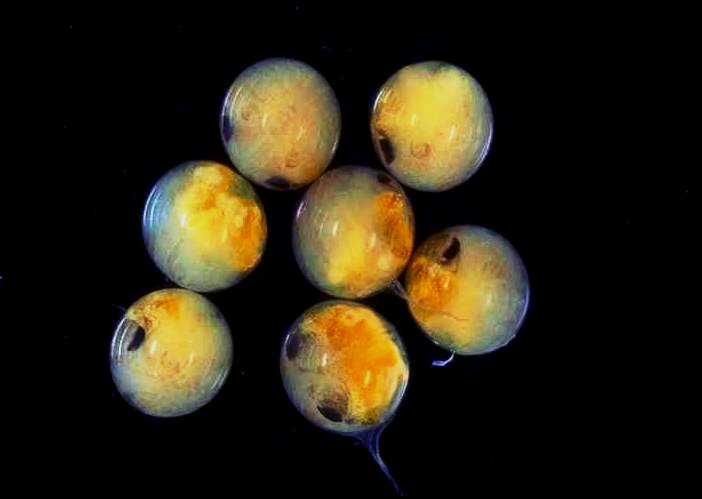
A distinctive feature of many freshwater crabs is parental care and direct development. Instead of releasing large numbers of planktonic larvae, adults typically carry eggs and brood young beneath the abdomen until they hatch as juvenile crabs. This internal fertilization and brooding strategy reduces larval dispersal and tends to produce geographically localized populations. For contrasts with marine species and their larval strategies see notes on behaviour and on the role of free-swimming larvae in other crabs.
Distribution, diversity and endemism
Freshwater crabs are concentrated in Africa, Asia, the Americas and scattered islands. Because many species occupy single river basins, isolated springs or particular forest fragments, endemism is high. Scientists estimate there may be a substantial number of undescribed species; some regional surveys and taxonomic revisions continue to uncover new taxa. The geographic distribution of species reflects historical river connections, island isolation and the evolution of drainage basins. For regional context see links on the tropics and subtropics.
Ecology and ecosystem roles
Ecologically, freshwater crabs act as scavengers, detritivores and opportunistic predators. They shred leaf litter, help recycle nutrients, influence sediment structure and can be important prey for birds, fish and mammals. Their activity can affect decomposition rates and energy flow in stream and forest-floor ecosystems, making them useful indicators of habitat condition.
Human uses and interactions
In some regions freshwater crabs are harvested for local food, traditional markets or subsistence use. They also attract interest from scientists studying biogeography, evolution and freshwater conservation. Because many species are range-restricted, they are sensitive to changes in land use and water quality and can highlight threats to freshwater biodiversity.
Threats and conservation
Major threats include habitat loss from deforestation, pollution, dam construction, water abstraction, invasive species and over-collection in places where crabs are used as food. High local endemism means that destruction of a single stream or wetland can place an entire species at risk of extinction. Conservation responses include protecting freshwater catchments, controlling pollution, restoring riparian vegetation and conducting targeted surveys to document species distributions and population trends. Improving taxonomic knowledge and monitoring is a priority to inform effective conservation.
- Research priorities: taxonomy, distribution mapping, life-history studies and genetic work to resolve species limits.
- Conservation actions: habitat protection, pollution control, ecological restoration and local management of harvest.
- Public engagement: community-based conservation, freshwater monitoring and education about the role of crabs in ecosystems.
Further species accounts, regional faunal lists and conservation assessments are available from specialist databases and regional surveys; introductory material and regional guides can be consulted at a general species overview, habitat guides at fresh water, taxonomic summaries at species lists, behavioural comparisons at behaviour, larval biology references at larvae, ecosystem context at environment and regional biogeography resources linked to the tropics and subtropics.
Related articles
Author
AlegsaOnline.com Freshwater crab Leandro Alegsa
URL: https://en.alegsaonline.com/art/36652
Sources
- doi.org : 10.1007/s10750-007-9023-3