
Friesian Horse — Dutch Breed Characterized by Black Coat, Feathering, and Animated Trot
Friesian horse, a Dutch breed from Friesland, noted for its solid black coat, flowing mane, feathered legs and elevated trot; prized for riding, driving, dressage and ceremonial uses.
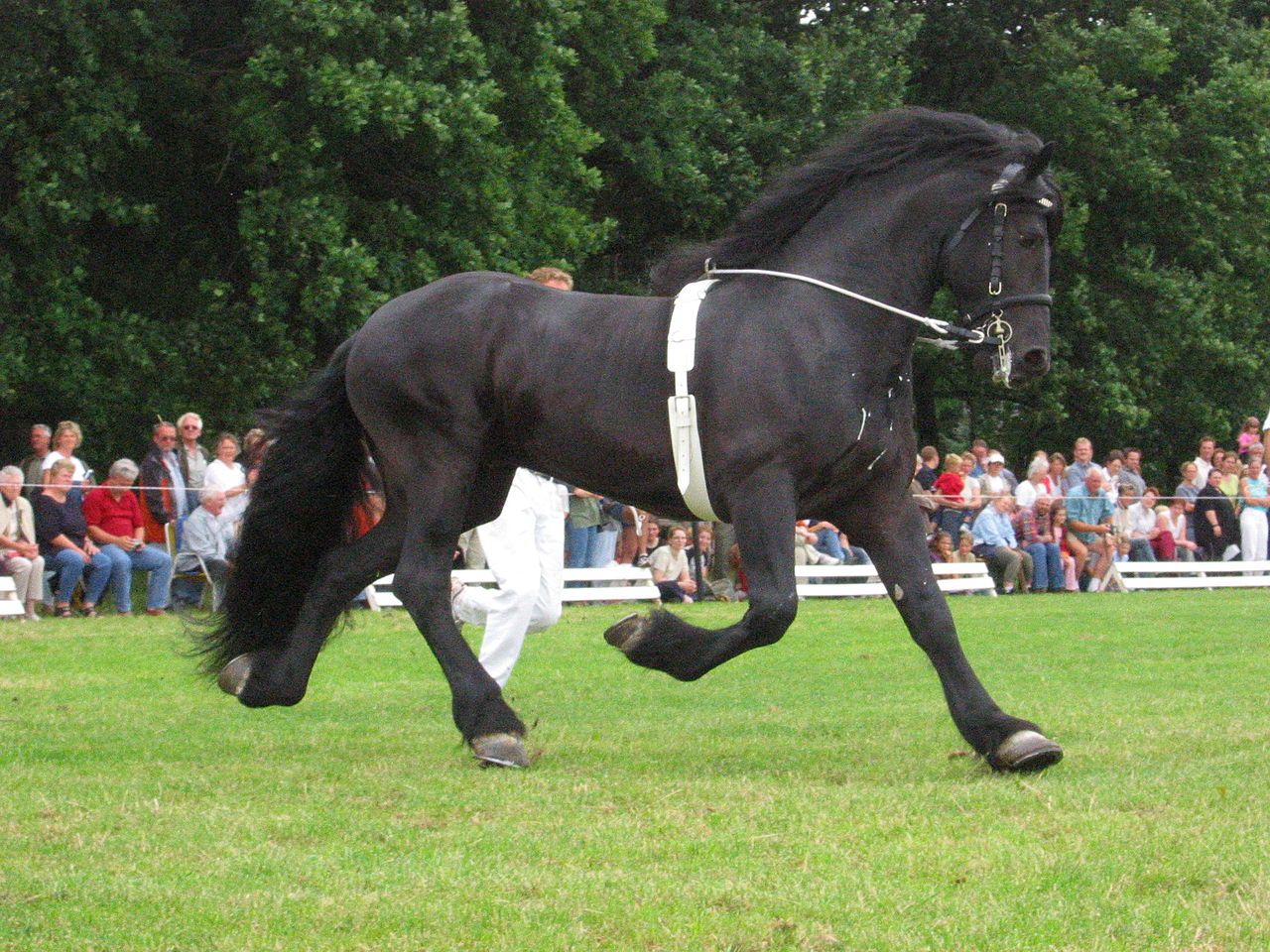
The Friesian horse is a distinct horse breed that developed in the coastal province of Friesland in the Netherlands. Renowned for its striking appearance and animated movement, the breed is used both under saddle and in harness worldwide.
Image gallery
10 Images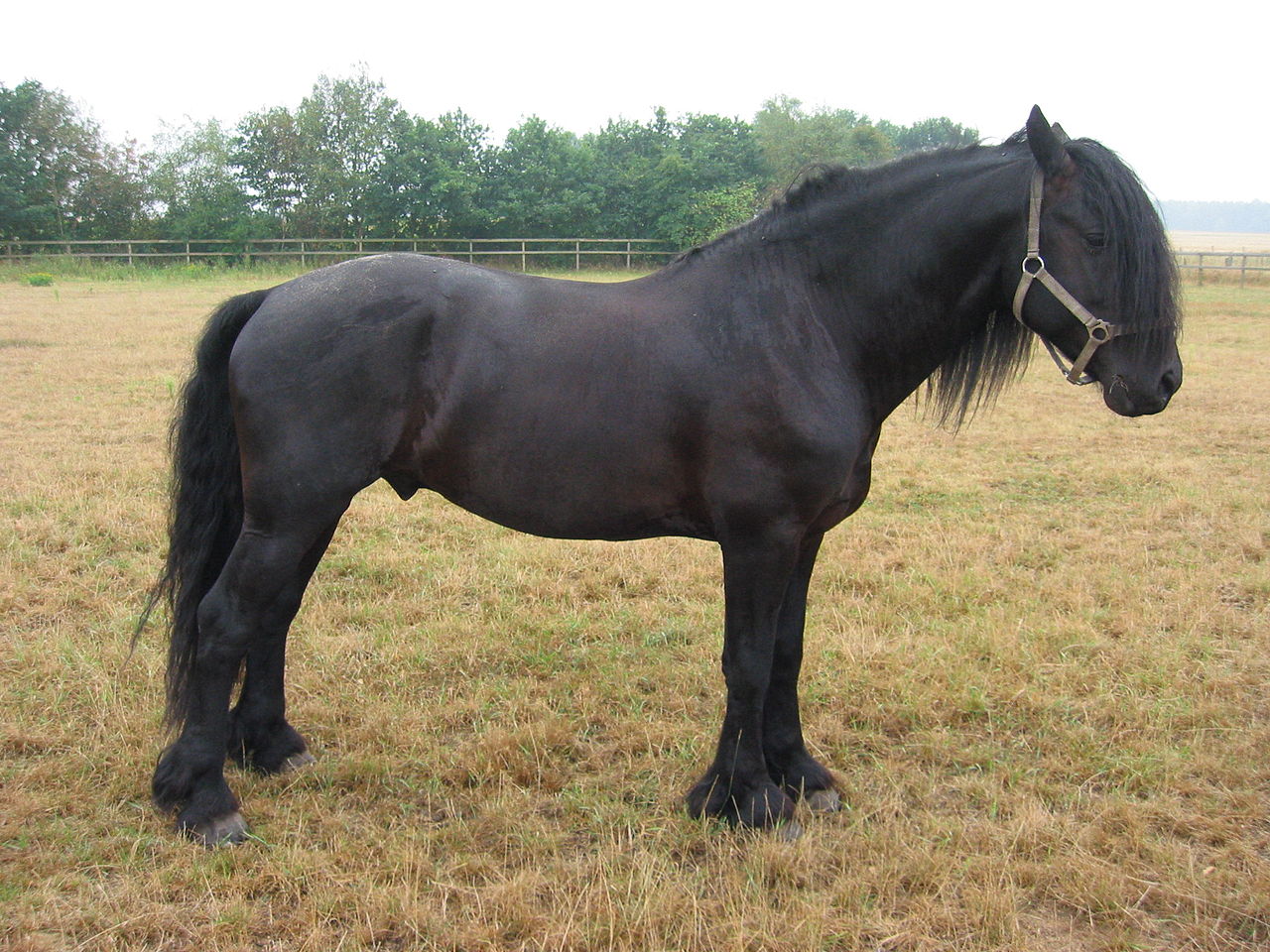




History
Breeding of heavy, versatile horses in Friesland goes back many centuries. Friesians were used for agricultural work, as carriage horses and, historically, as cavalry mounts. Over time selective breeding emphasized a compact, powerful body, high-stepping action and an imposing presence suitable for ceremonial and sport roles.
Physical characteristics
- Size: adult animals are typically in the range of about 15 to 17 hands high (approximately 152–170 cm).
- Color: solid black is preferred by most breed organizations; small white markings on the face or feet are sometimes permitted. Other coat colors are rare and often not accepted by strict registries.
- Build: Friesians usually have a muscular, compact frame, long flowing mane and tail, and long feathering of hair at the back of the lower legs.
- Movement: they are noted for a lively, elevated trot with good suspension and expressive action.
Temperament and uses
Friesians are often described as willing, sensitive and easily trained, which makes them suitable for recreational riding, dressage and driving. Their dramatic looks and calm disposition also make them popular in parades, films and tourist activities. In contemporary equestrian sport they appear in classical dressage and combined driving competitions.
Breeding and registries
Breeders and national studbooks maintain standards for conformation, color and lineage. The original Dutch breeding organizations continue to play a leading role in defining the breed standard and in recording pedigrees. To preserve desired traits and reduce inherited problems, responsible breeders use careful selection and, in many cases, genetic testing where tests are available.
Health and care
Like all breeds, Friesians can be vulnerable to certain hereditary and management-related conditions; health priorities for the breed include careful hoof and leg care because of the heavy feathering, appropriate exercise to support their muscular build, and routine veterinary screening. Prospective owners should work with reputable breeders and veterinarians to understand specific health risks and proper management.
Cultural significance
The Friesian horse is closely associated with Dutch heritage and is a recognizable symbol of the region of Friesland. Its distinctive look and carriage have made it a favorite for ceremonial uses and media appearances outside its country of origin.
Related articles
Author
AlegsaOnline.com Friesian Horse — Dutch Breed Characterized by Black Coat, Feathering, and Animated Trot Leandro Alegsa
URL: https://en.alegsaonline.com/art/36744