
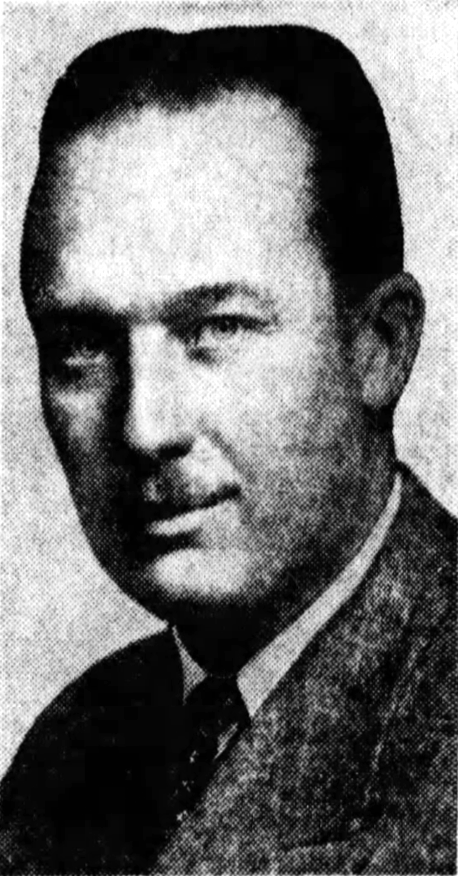
Fred Trump (1905–1999) — American real estate developer
Fred Trump, a New York City real estate developer, built tens of thousands of apartments and wartime housing. He was the father of Donald Trump and left a complex legacy of business success, philanthropy, and controversy.
Overview
Fred Trump (October 11, 1905 – June 25, 1999) was a prominent New York City builder and landlord known for large-scale residential projects in the boroughs. He worked for decades developing housing for families and, during World War II, for military personnel. He is widely remembered as the father of Donald Trump and as the patriarch of a family that produced public figures in business and the judiciary, including his daughter Maryanne.
Image gallery
10 Images


Career and projects
Beginning in the 1920s and 1930s, Trump expanded from small construction work into broader property development and management. His companies built single-family homes and row houses in residential neighborhoods and later moved into larger apartment complexes. During wartime, his firms constructed and managed housing such as barracks and garden apartments for U.S. Navy personnel stationed near shipyards along the East Coast. Over his career he was credited with completing tens of thousands of units, commonly cited as more than 27,000 apartments in New York City.
- Early single-family and row-house developments in Queens and other boroughs.
- Mid-century garden-apartment complexes and wartime housing projects.
- Long-term property management and landlord operations.
Business approach and public issues
Trump was known for vertically integrated practices: overseeing construction, financing, and long-term management. His firms often focused on moderately priced housing for working-class families. Like many large landlords, his operations drew both praise for providing housing and criticism on management practices. In the 1970s and thereafter there were notable legal and public controversies about rental policies and tenant treatment, which became part of his public record and later assessments of his business legacy.
Personal life and philanthropy
Born in The Bronx to immigrant parents, Fred Trump married Mary Anne MacLeod in 1936 and maintained a long marriage until his death. He lived most of his life in New York and took part in local civic and charitable activities. His philanthropic gestures were often directed to community institutions, reflecting an interest in neighborhood development and social services.
Legacy and death
Fred Trump's business activities shaped vast stretches of mid-20th-century residential New York. His role as a developer provided a foundation for his family's later prominence; his son would enter national business and political life and become President of the United States in 2016, a fact frequently referenced in discussions of the family's origins. In later years Fred Trump suffered health problems and died in 1999 in New Hyde Park from pneumonia complicated by Alzheimer's disease. Accounts of his life note both his contributions to urban housing and the controversies that accompanied large-scale real estate operations.
For further reading on related themes—real estate development, mid-century housing policy, and family biographies—see linked topics: real estate, developer, and philanthropy. Additional context about political and judicial connections can be explored via links about the presidency (President of the United States) and judiciary appointments (Maryanne again for judicial career).
Fred Trump's life illustrates the complexities of urban development in the 20th century: entrepreneurship and expansion, service during wartime demand, the challenge of managing large housing portfolios, and the mixed public perceptions that accompany prominent landlords.
Related articles
Author
AlegsaOnline.com Fred Trump (1905–1999) — American real estate developer Leandro Alegsa
URL: https://en.alegsaonline.com/art/36386
Sources
- washingtonpost.com : "The unbelievable story of why Woody Guthrie hated Donald Trump's dad"
- nytimes.com : "Woody Guthrie Wrote of His Contempt for His Landlord, Donald Trump's Father"
- nypost.com : "Fred Trump, Dad of Donald, Dies at 93"