
Barracks: Military Housing — Design, History, and Uses
Barracks are purpose-built military buildings where service members live and rest. This article explains common features, historical development, defensive adaptations, and modern roles.
Overview
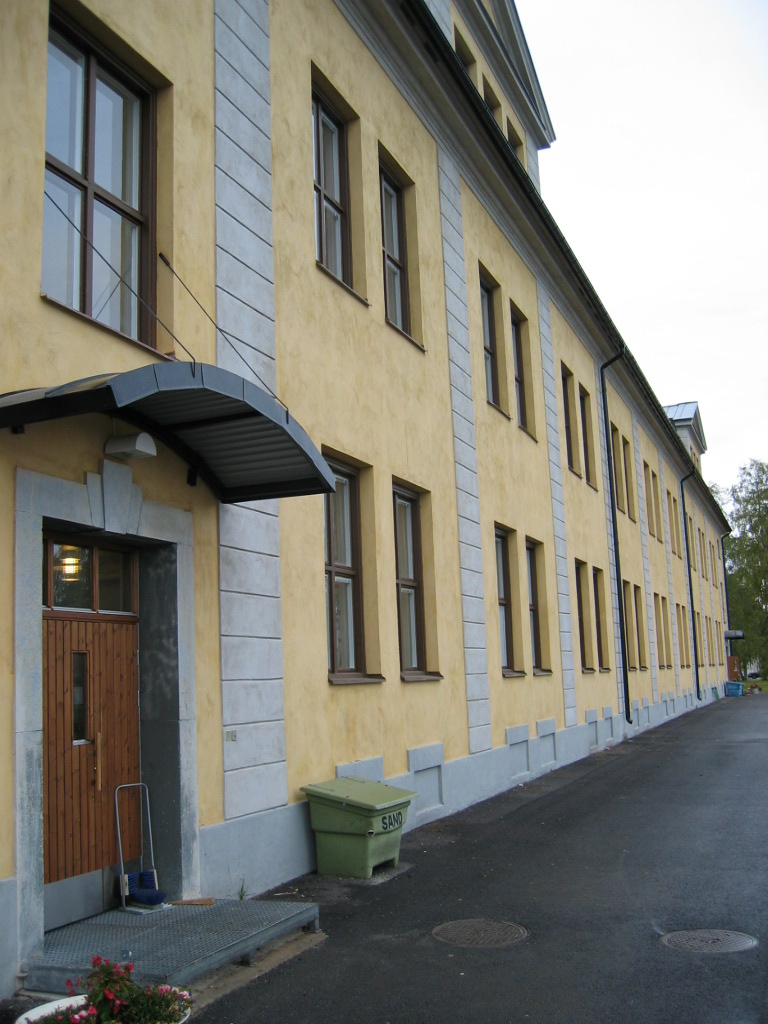
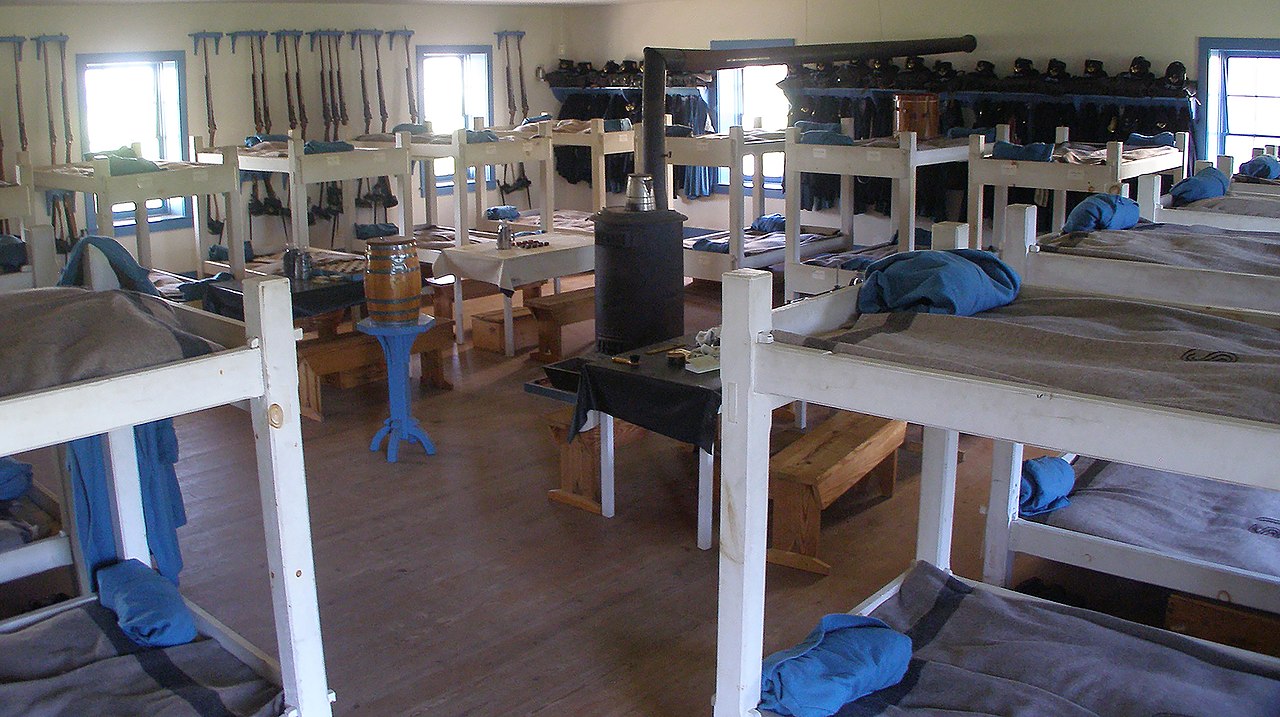
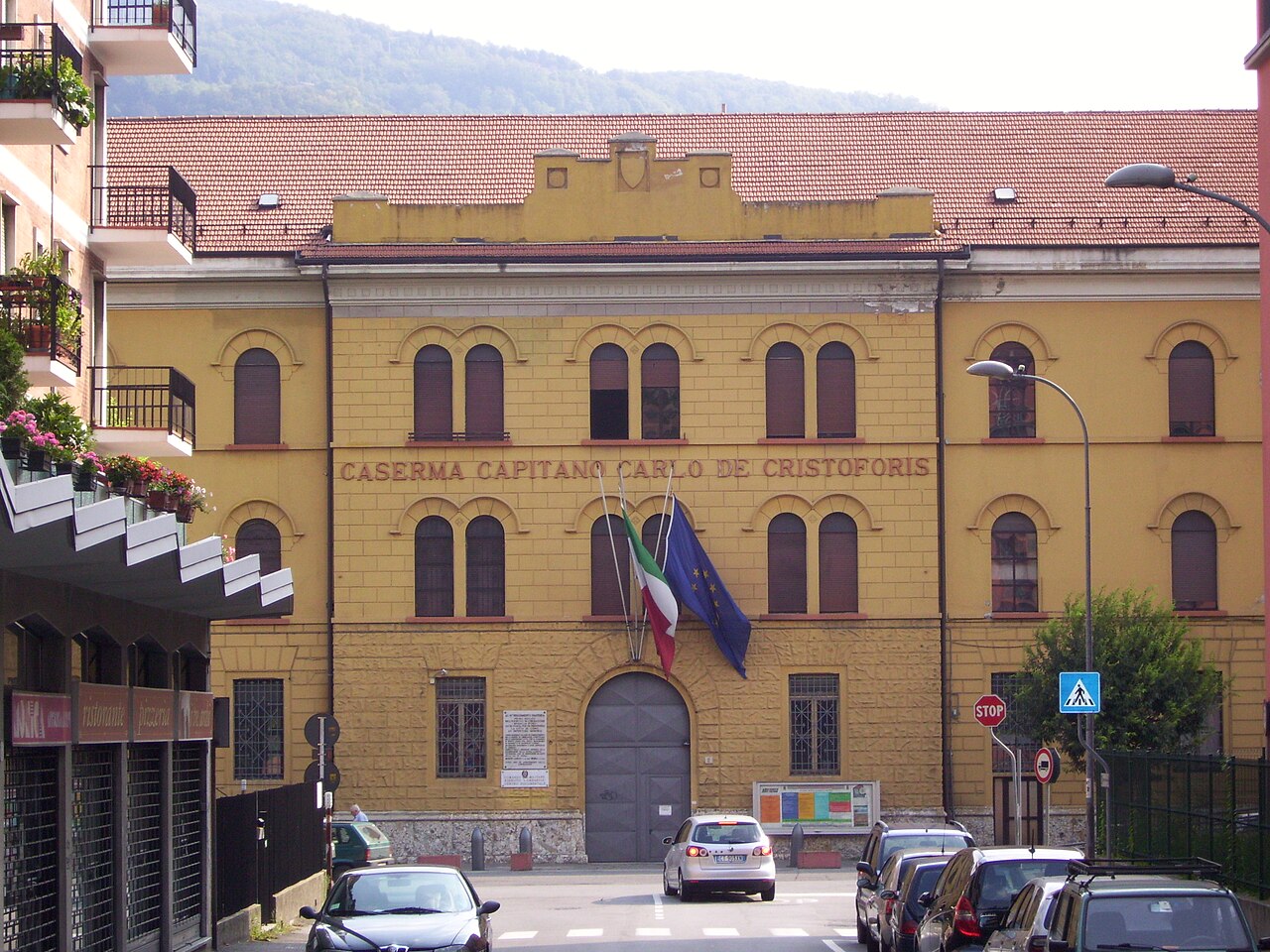
Barracks are buildings or groups of buildings intended primarily to house military personnel. Traditionally they provide sleeping accommodation, storage for personal equipment, and communal areas for daily routines. In civilian language they may be called military buildings or facilities, but in military practice they are organized to support unit cohesion, discipline, and rapid deployment of troops.
Image gallery
10 Images






Design and typical features
A barracks compound usually contains dormitories, mess halls, latrines, and sometimes training rooms. Construction varies widely depending on climate, threat level, and intended duration of use. Common elements include:
- Large shared sleeping rooms or smaller individual quarters for service members, often referred to simply as soldiers' quarters.
- Sanitary facilities and laundry areas to support daily life.
- Storage for uniforms, kit, and unit equipment, plus administrative offices.
- Defensive measures such as perimeter barriers, enhanced walls, or temporary protections.
Defensive adaptations
In conflict situations barracks can be reinforced. Temporary measures include sandbags and barbed wire to improve perimeter security. Many descriptions note the use of barbed wire and other obstacles; these are sometimes combined with solid fences or vehicle barriers. In some cases, especially in high-threat areas, living quarters are placed underground or within hardened structures to reduce vulnerability.
History and development
Communal military housing has existed in various forms for centuries. As standing armies became common, purpose-built barracks emerged to concentrate forces, simplify logistics, and impose military order. Barracks layout and amenities evolved with changes in technology, health standards, and military doctrine, moving from crowded shared dormitories to more private and climate-controlled accommodations in many modern forces.
Uses and contemporary importance
Beyond providing shelter and rest, barracks serve training, administration, and morale functions. A single compound can support the rapid assembly of units, provide medical isolation during epidemics, and act as a logistics hub. Nations and countries have relied on barracks in both peacetime and during wars, adapting them to local needs and threats.
Distinctions and notable facts
Not all military housing is called a barracks; terms vary by service branch and language. Some modern forces prefer smaller, family-oriented quarters or privatized housing for members with dependents, while still operating barracks for single personnel and deployable units. For further technical descriptions or historical examples see resources linked below.
Related topics: sleeping quarters, military buildings, and logistical support facilities.
For additional reading or source material consult the listed links and military engineering references: soldier accommodation, barbed wire, perimeter defenses, national case studies, and historical campaigns.
Related articles
Author
AlegsaOnline.com Barracks: Military Housing — Design, History, and Uses Leandro Alegsa
URL: https://en.alegsaonline.com/art/9080