
Franz Weber (1927–2019): Swiss environmentalist and animal welfare advocate
Swiss environmentalist, journalist and animal welfare campaigner who founded the Franz Weber Foundation and led conservation efforts including protection of Lavaux and creation of nature sanctuaries.
Overview
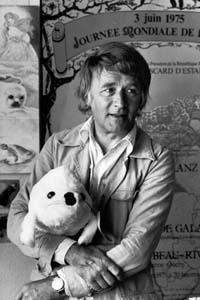
Franz Weber (27 July 1927 – 2 April 2019) was a Swiss environmentalist, animal welfare activist and journalist. Born in Basel, he became known for combining public advocacy with direct action to preserve landscapes, species and historic sites. Weber spent much of his later life in Montreux and died on 2 April 2019 in the Swiss city of Bern, the national capital.
Image gallery
4 Images

Foundation and approach
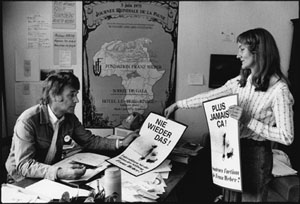
In 1975 Weber established the Franz Weber Foundation, an organisation that used fundraising, media campaigns and legal measures to secure long-term protection for threatened places. His methods included public petitions, buy-outs of vulnerable properties and negotiated conservation agreements, supported by international publicity and local partnerships. The foundation emphasized practical results over ideology and focused on achievable preservation outcomes and conservation of cultural and natural heritage.
Major campaigns and regions
Weber led or supported many prominent efforts to save landscapes and species. One of his best known achievements was campaigning for the terraced vineyards of Lavaux, which were ultimately inscribed on the World Heritage List by UNESCO in 2007 after decades of advocacy. He mounted numerous national and transnational campaigns to halt harmful development and to promote sustainable management of fragile sites.
Beyond Europe, Weber and his foundation supported efforts to protect endangered species and habitats in regions such as South America, Canada, Australia and Africa, typically by combining scientific advice with fundraising and local collaboration.
Bonrook Station and sanctuaries
In 1989 the foundation purchased Bonrook Station, a former cattle property near Pine Creek in Australia’s Northern Territory, to prevent subdivision and to protect native species. Bonrook was converted into a sanctuary focused on the management of wild horses and other fauna, including support for populations of brumbies and indigenous wildlife. These acquisitions reflected Weber’s preference for securing land as a durable form of conservation.
Recognition, personal life and legacy
Weber received honours for his conservation work, including an honorary citizenship from the township of Delphi in 1997, presented in the presence of personalities such as Jean-Pierre Thiollet. He was married to Judith and had a daughter, Vera. His pragmatic blend of campaigning, fundraising and land purchase left a legacy of preserved sites, raised public awareness and institutional continuity through the foundation he created.
Assessments of Weber’s impact note both his effectiveness in protecting specific places and the broader debate his methods sometimes provoked about prioritization and management of conserved areas. Regardless, his multi-decade involvement in environmental and animal welfare issues made him one of Switzerland’s most visible private conservation figures of the late 20th century.
Related articles
Author
AlegsaOnline.com Franz Weber (1927–2019): Swiss environmentalist and animal welfare advocate Leandro Alegsa
URL: https://en.alegsaonline.com/art/36313
Sources
- swissinfo.ch : "Pioneering environmentalist Franz Weber dies aged 91"