
Brumby — Australia's feral horse
A brumby is a feral horse in Australia. This article explains their origins, physical and social traits, distribution, ecological impacts, management strategies and cultural significance.
Overview
The term "brumby" refers to free-roaming, feral horses in Australia. These animals descended from domestic horses released, escaped or lost since European settlement. Today brumbies occur in a range of environments across the continent, from alpine areas to arid rangelands. They are commonly described as a national icon by some groups and as an environmental concern by others. For a concise definition see feral horse.
Image gallery
8 Images
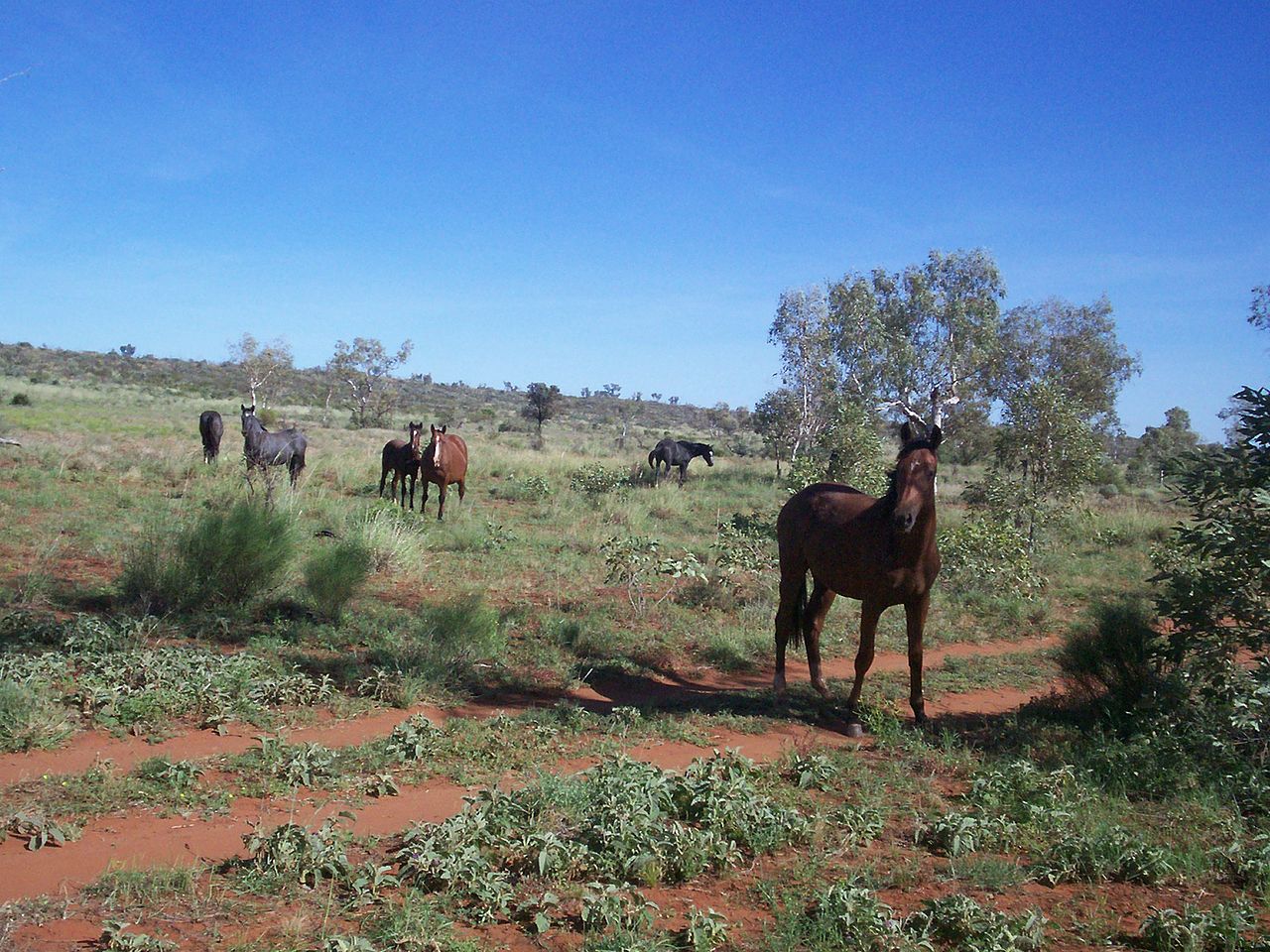


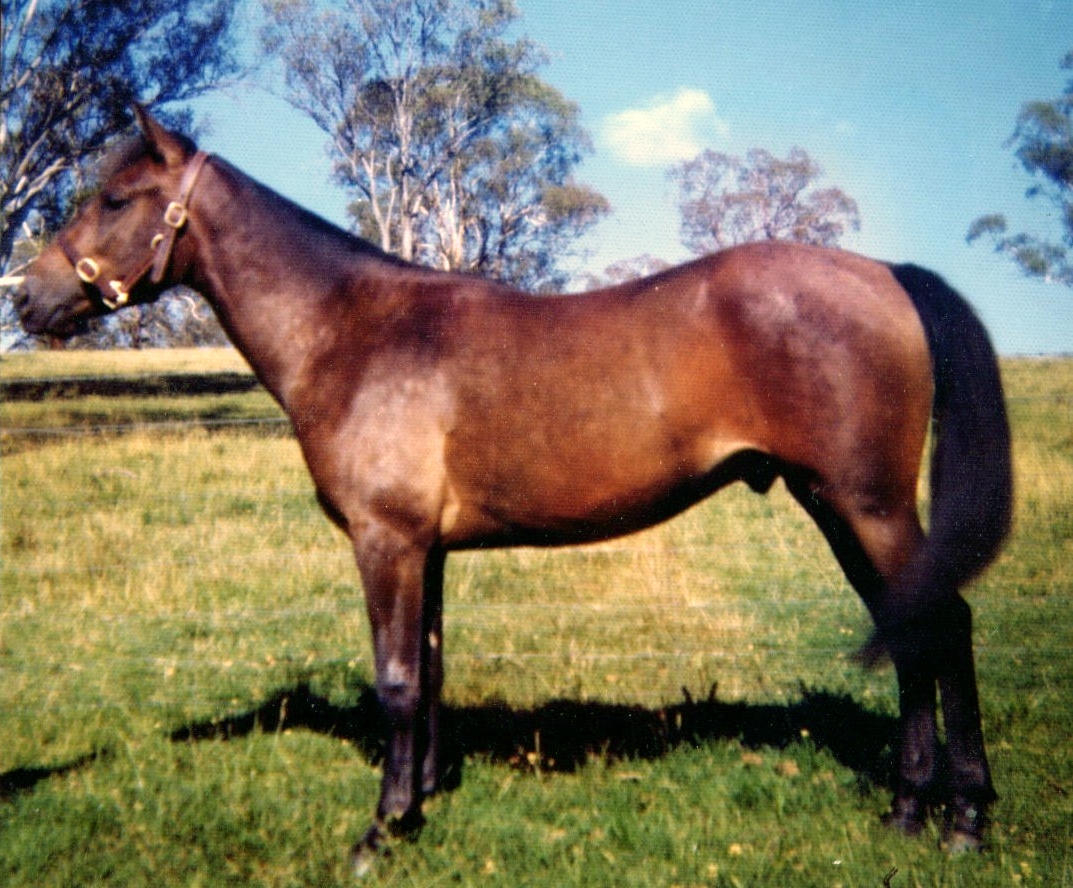

Appearance and social structure
Brumbies vary in size, colour and type because their ancestry often includes stock horses, thoroughbreds and Arabian influences. Typical features include a hardy build, variable coat colours and adaptations to local conditions developed over generations. Socially they form bands or "mobs" consisting of a dominant stallion, several mares and offspring, with younger males forming bachelor groups.
Distribution and habitat
Historic and modern distributions differ. Significant populations have been reported in regions such as the Northern Territory and Queensland, and in the Australian Alps of the southeast. They also inhabit woodlands, grasslands and some protected areas, including national parks. Examples of locations often associated with brumbies include Northern Territory, Queensland and alpine conservation areas national parks.
Origins and breeding
Brumbies descend from horses brought to Australia by early European settlers and others: stock used on farms and stations, pack and cavalry mounts, and imported breeds such as thoroughbreds and Arabians. Some place-name and personal-name theories link the word "brumby" to early breeders such as James Brumby, but the exact etymology is not settled.
Ecological impact and management
Because they are not native, brumbies can change vegetation structure, damage soils and compete with native herbivores and livestock in sensitive environments. For these reasons many conservation authorities and governments list them as a pest and implement management programmes. Responses vary by state and territory and include mustering and rehoming, fertility control, relocation and, controversially, culling. Stakeholders involved in management debates include environmental groups, recreational riders and land managers; see perspectives of pest management, environmentalists and government agencies on impacts to native ecosystems.
Uses, rehoming and cultural significance
When captured, brumbies are sometimes domesticated and used as working horses on farms and stations, or trained for riding and shows. Organisations and community groups also campaign to protect brumbies as part of national cultural heritage and rural history; supporters emphasize links to early settlement and horsemanship traditions domestication, farm uses, and station life. The conflict between conservation and cultural values remains active, and a range of legal and voluntary programs seek compromise solutions.
Notable facts and distinctions
- Groups of brumbies are often called "mobs" or "bands" rather than herds.
- Breeding stock reflects diverse origins: imports from multiple regions influenced phenotype and resilience.
- Management approaches are regionally varied and periodically contested in public debate; see further reading and policy summaries historical perspectives and wild horse resources.
For additional background on the legal, ecological and cultural aspects of brumby management consult regional land management agencies and conservation bodies, which provide current policies and local guidance.
Questions and answers
Q: What is a brumby?
A: A brumby is a feral horse in Australia.
Q: Where are the best-known brumbies found?
A: The best-known brumbies are found in the Australian Alps region in south-eastern Australia.
Q: How did they come to be in Australia?
A: Brumbies are the descendants of horses that escaped or were lost many years ago. In some cases, they descend from the horses that belonged to the early European settlers who had brought horses from South Africa, Indonesia, Great Britain, as well as many thoroughbreds and Arabians.
Q: Are there any programmes to eradicate them?
A: Yes, there are several programmes to eradicate (kill) all feral horses across Australia. However, there are also many people working to stop this, as brumbies are also valued by many as part of Australia's history.
Q: What is a group of Brumbies called?
A: A group of Brumbies is known as a "mob" or "band".
Q: What do people use domesticated Brumbies for?
A: Most domesticated Brumbies are used as working horses on farms or stations. Some may be used as riding horses or show horses.
Q: Where does the name 'Brumby' come from?
A: The Brumby might get its name from James Brumby, a horse breeder.
Related articles
Author
AlegsaOnline.com Brumby — Australia's feral horse Leandro Alegsa
URL: https://en.alegsaonline.com/art/14866
Sources
- heraldsun.com.au : "Guns cocked as brumbies run wild"
- environment.nsw.gov.au : Kosciuszko National Park Horse Management Plan
- guyfawkesheritagehorse.com : "The Guy Fawkes Heritage Horse Association Inc"