
Frank Robinson: Hall of Famer, MVP in Both Leagues, and Pioneering Manager
Frank Robinson (1935–2019) was an American Major League Baseball star, the only player to win MVP awards in both leagues, a Hall of Famer, and MLB's first Black manager.

Overview
Frank Robinson was a prominent figure in American professional baseball whose career spanned two decades. He began as an outfielder and later also served as a manager. His playing years were spent in Major League Baseball, where he achieved the unique distinction of winning the Most Valuable Player Award in both the National League and the American League. Robinson combined consistent on-field production with leadership that carried into his post-playing roles.
Image gallery
10 Images







Playing career and achievements
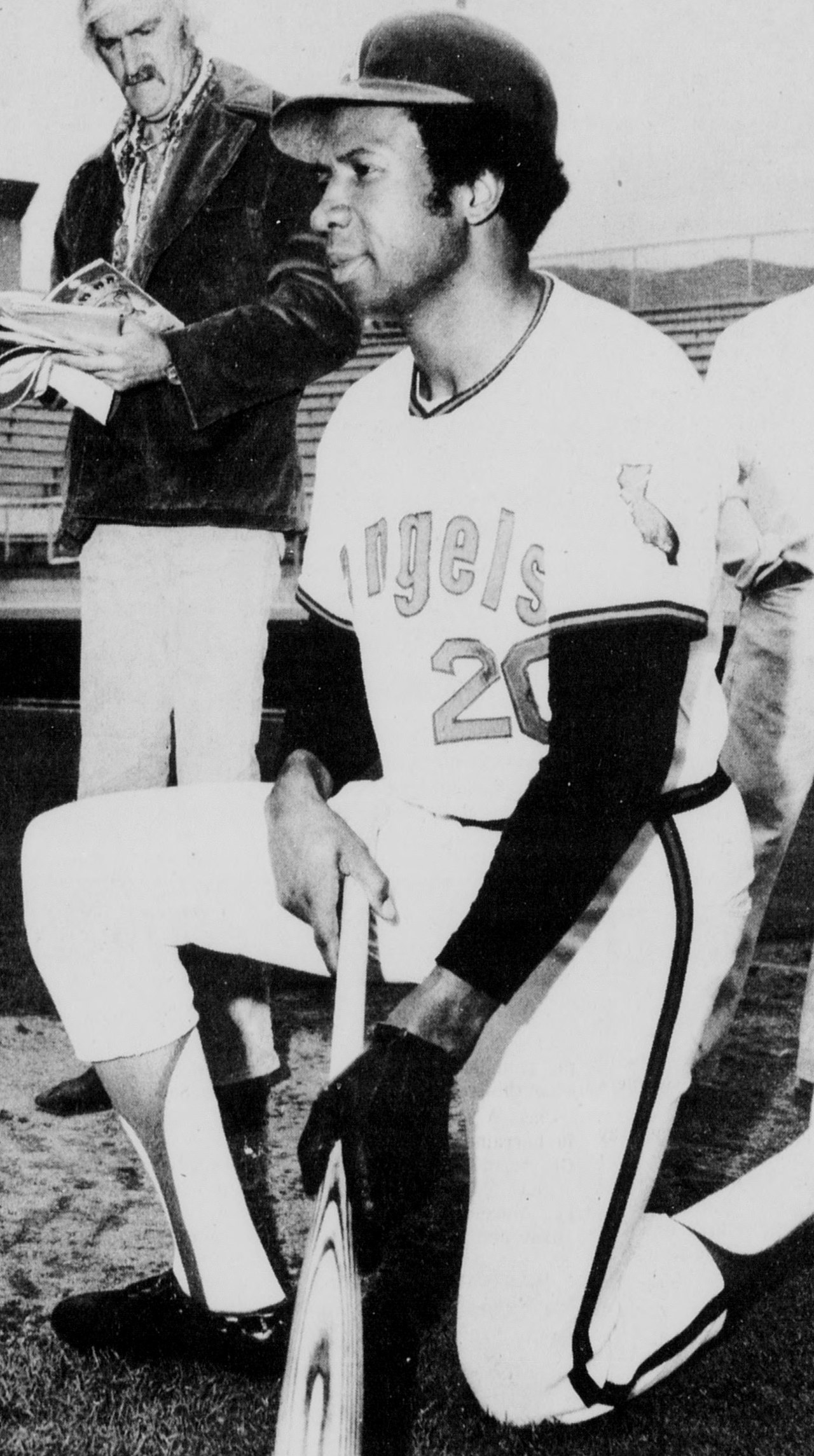
Robinson debuted in the mid-1950s and became known for his power, durability and competitive temperament. During his career he played for several clubs, including the Cincinnati Reds, the Baltimore Orioles, and the Los Angeles Dodgers, and later had stops with the California Angels and the Cleveland Indians. He was a key member of Baltimore teams that won the World Series in the 1960s and 1970s. His résumé of awards and All-Star selections led to election to the National Baseball Hall of Fame in 1982.
Managerial career and milestones
Near the end of his playing days Robinson became baseball's first Black skipper, a historic milestone as the sport continued to integrate its leadership ranks. As a manager he served in several roles: he was player-manager of the Cleveland Indians late in his career, and later managed the San Francisco Giants, returned to manage the Baltimore Orioles, and took the helm of the franchise that became the Montreal Expos/Washington Nationals. He also held positions in front offices and was honored by the league in various capacities, including an honorary league presidency.
Honors, recognition, and legacy
Beyond his Hall of Fame induction, Robinson's lifetime achievements were formally recognized when the office of the President awarded him one of the nation's highest civilian honors. On November 9, 2005 Robinson received the Presidential Medal of Freedom from George W. Bush, reflecting both his athletic accomplishments and broader cultural impact. His career remains a reference point in discussions about pioneering athletes who advanced opportunities for future generations.
Personal life and final years
Born in Beaumont, Texas, Robinson attended Xavier University before rising to the major leagues. He spent much of his post-playing life involved in baseball as a coach, manager and executive, and in community and mentoring activities. Robinson died in Los Angeles, California, in early 2019 after a battle with bone cancer. His life is remembered both for statistical accomplishments and for breaking barriers in baseball leadership.
Notable distinctions
- The only player to win MVP honors in both the National League and the American League.
- First African American manager in Major League Baseball history.
- Member of multiple World Series championship teams and the Baseball Hall of Fame (1982).
- Recipient of the Presidential Medal of Freedom.
Robinson's combination of on-field excellence, leadership, and barrier-breaking roles make him a central figure in the story of modern baseball. For a concise study of his statistics, managerial record, and influence on the game, consult dedicated historical and statistical resources or team histories linked above.
Related articles
Author
AlegsaOnline.com Frank Robinson: Hall of Famer, MVP in Both Leagues, and Pioneering Manager Leandro Alegsa
URL: https://en.alegsaonline.com/art/36192