
Professional baseball
An overview of professional baseball: its organization, gameplay features, major leagues, player development, history, and international distinctions.
Overview
Baseball is a widely played team sport that also exists in organized professional form. Professional baseball comprises many paid players and structured clubs competing within formal leagues across the world. At the professional level athletes are scouted and recruited for specific skills, and those selected are compensated for their play and other duties.
Image gallery
1 Image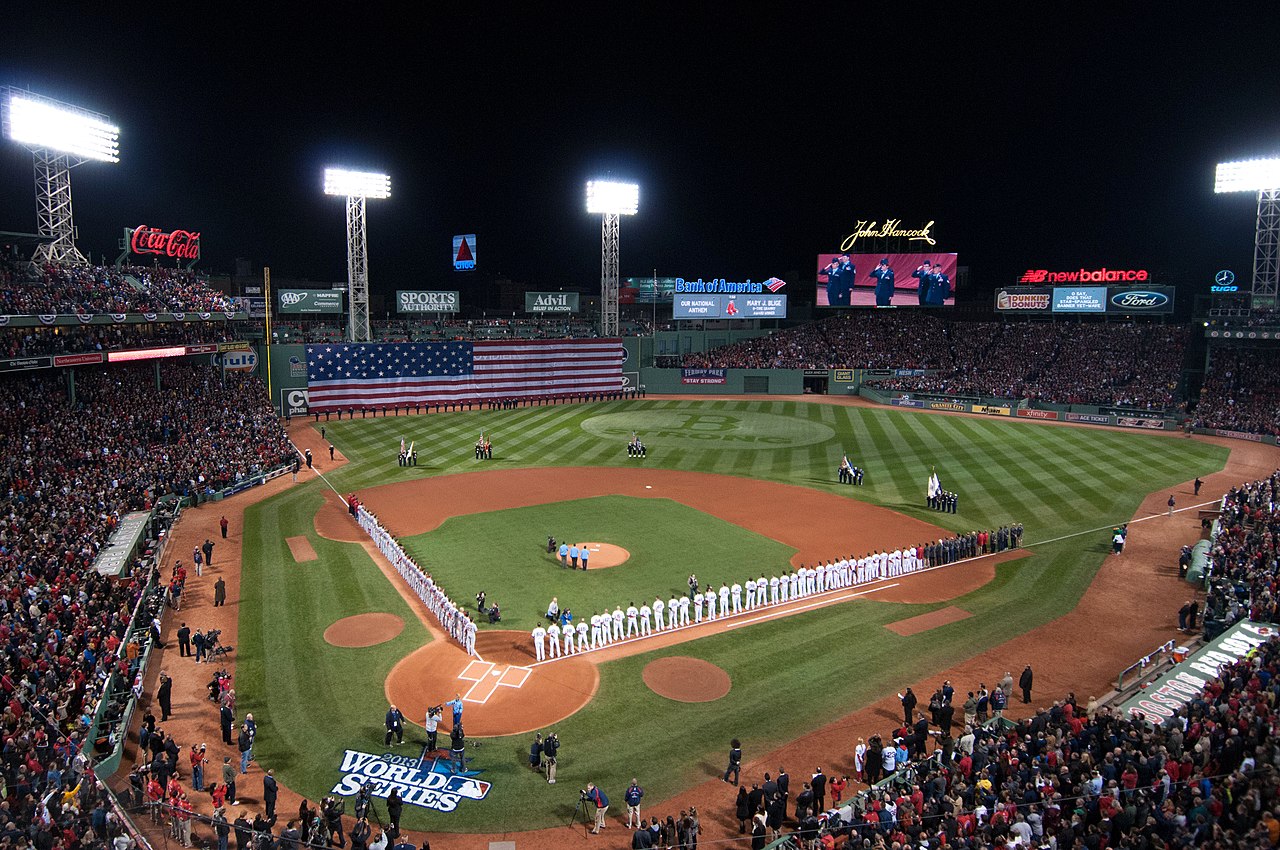
Organization and major leagues
Leagues set the calendar, rules variations, and competitive format for clubs. The most internationally visible league is Major League Baseball, which has franchises based in the United States and Canada. In Japan the top professional circuit is Nippon Professional Baseball. Other countries operate professional or semi‑professional systems; many share player development ties and transfer agreements with larger leagues.
Game features and team structure
Teams field nine players on the field in typical play and carry expanded rosters during a season. Positions divide into pitchers, catchers, infielders and outfielders; strategy blends pitching, defense and hitting. The role of a designated hitter and other rule differences vary by league and influence roster construction. Players are evaluated on tools such as hitting, power, speed, fielding and pitching velocity, and clubs assemble rosters to balance short‑term results with longer development goals.
Season format, championships and tournaments
Professional seasons usually consist of a lengthy regular schedule followed by postseason series or playoffs to determine a champion. Many leagues stage midseason exhibitions and all‑star events that showcase top performers. At the international level, tournaments bring national teams and professionals together, creating opportunities for cross‑league competition and talent exposure.
Player development and economics
Clubs operate development systems—commonly called farm systems or minor leagues—that prepare younger players for the top level. Contracts, trades and free agency structure player movement and compensation; teams invest in scouting, analytics and medical staff to optimize performance and protect assets. Professional baseball is an industry with commercial partnerships, media rights and strong local followings, making it both a sporting and economic enterprise.
History and notable distinctions
Modern professional baseball grew from 19th‑century amateur and club contests into national leagues during the early 20th century. Over time it internationalized as players and ideas moved between countries. Distinct playing styles and traditions persist—some leagues emphasize power hitting and long seasons, others focus on strategy and pitching depth—and rule differences produce varied strategies that fans and analysts find notable.
Examples of league structures
- Major League Baseball (MLB) — two major circuits within one organization, long regular season and postseason.
- Nippon Professional Baseball (NPB) — Japan's top professional competition with its own clubs and traditions.
- Other professional leagues — national and regional leagues that provide competition, development, and international players.
Professional baseball remains a global sport with local roots: teams and leagues reflect their communities while contributing to an international network of players, coaches and fans. Clubs rely on scouting of talented individuals, formal competition overseen by professional organizations, and markets in the global game. The sport's cultural and economic footprint continues to evolve across the United States, Canada, Japan and beyond.
Related articles
Author
AlegsaOnline.com Professional baseball Leandro Alegsa
URL: https://en.alegsaonline.com/art/79348