
Beaumont, Texas — Overview, History, Economy, and Notable Features
Beaumont is the county seat of Jefferson County, Texas, known for the 1901 Spindletop oil discovery, a petrochemical economy, the Port of Beaumont, and institutions like Lamar University.
Overview
Beaumont is a city in Jefferson County, in the southeastern part of Texas, United States. It serves as the county seat and as a regional center for industry, education and culture. According to the 2010 census, the city's population was 118,296. Beaumont lies within a coastal plain and is part of a broader metropolitan area often associated with nearby Port Arthur and Orange.
Image gallery
10 Images


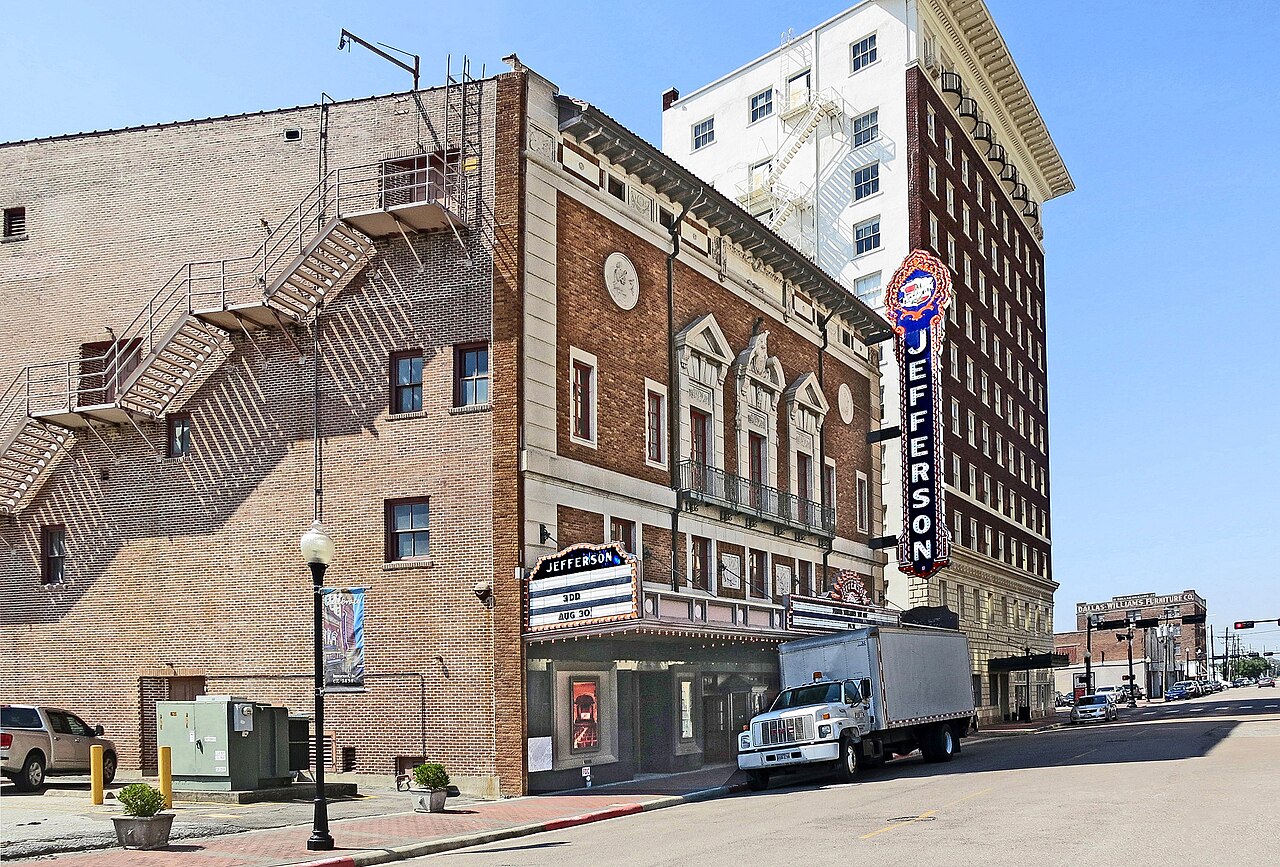


Geography and climate
The city sits inland from the Gulf Coast at a low elevation, with waterways and marshes nearby that connect to larger bays and shipping channels. Beaumont has a humid subtropical climate characterized by hot, humid summers and mild winters. Its coastal proximity makes the area vulnerable to tropical storms and hurricanes, and heavy rainfall events have shaped local planning and infrastructure.
History and development
Beaumont grew from a 19th-century settlement into a major industrial city after the 1901 discovery of oil at Spindletop, a salt dome just south of the city. That event triggered a rapid expansion of petroleum production and refining, transforming the local and regional economy and helping to establish Texas as a major oil-producing state. Over subsequent decades the city diversified into refining, petrochemicals, shipbuilding, and port activities.
Economy, institutions, and transport
The economy is anchored by petrochemical plants, refineries and related manufacturing, supported by the deep-water facilities of the Port of Beaumont—one of the region's principal seaports and a significant logistics hub. Beaumont is also home to higher-education institutions such as Lamar University and technical colleges, which contribute to the local workforce and cultural life. Transportation links include highways, rail lines and river/sea access that serve both commercial and military needs.
Culture, landmarks, and parks
Local attractions reflect both the city's industrial heritage and its cultural institutions: museums and exhibits commemorate the Spindletop oil boom, regional art museums host rotating collections, and community festivals celebrate the area's history and diversity. Urban parks, nearby coastal natural areas and recreational facilities are part of the public amenities that support residents and visitors.
Notable facts and challenges
- Name: Beaumont derives from French words meaning "beautiful mountain," though the surrounding landscape is largely flat.
- Industrial legacy: The Spindletop discovery is widely regarded as a turning point for the American petroleum industry and for Beaumont's growth.
- Environmental and planning issues: Industrial activity and coastal exposure create ongoing priorities for environmental management, flood control and disaster preparedness.
Together, these features make Beaumont a city with a distinctive combination of industrial importance, educational resources, and coastal geography. For more detailed local resources and official information, consult municipal, county and regional portals linked to the city's institutions and services.
Related articles
Author
AlegsaOnline.com Beaumont, Texas — Overview, History, Economy, and Notable Features Leandro Alegsa
URL: https://en.alegsaonline.com/art/9913
Sources
- quickfacts.census.gov : "State & County QuickFacts; Beaumont (city), Texas"