
Frank Tudor: Australian Labor leader and long-serving member for Yarra
Overview of Frank Tudor (1866–1922), his early life, parliamentary career as a Labor MP for Yarra, leadership after the 1916 Labor split, personal life, and legacy.
Francis Gwynne "Frank" Tudor (29 January 1866 – 10 January 1922) was a prominent Australian politician and a senior figure in the early federal Labor movement. He represented the inner-Melbourne electorate of Yarra in the Commonwealth Parliament from federation in 1901 until his death in 1922. Tudor led the parliamentary Labor party and served as Leader of the Opposition from 1916, following wartime divisions, until 1922, and is remembered for guiding the party through a fractious period.
Image gallery
6 Images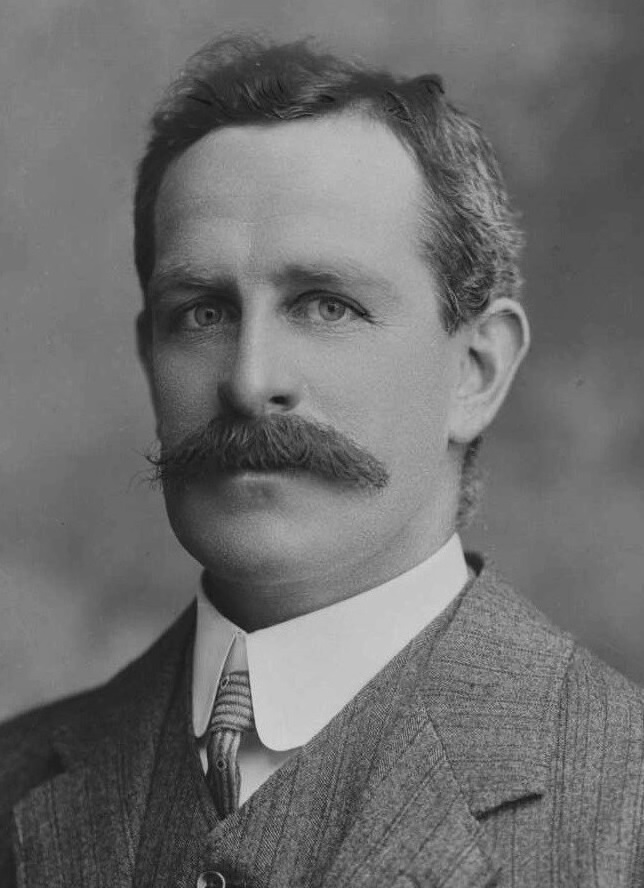


Early life and background
Tudor was born in Williamstown, a suburb of Melbourne, in the colony of Victoria. He was the son of immigrant parents from Wales and grew up during a period of rapid social and political change in Australia. His working-class origins and early involvement in unions and community organisations helped shape his commitment to the Labor movement and to parliamentary reform.
Parliamentary career and leadership
As one of the first federal Labor MPs, Tudor became known for steady parliamentary work and organisational skill. He served through the formative years of the Commonwealth and remained a central figure when the party faced internal conflict in World War I over conscription. After the split that saw Prime Minister William Hughes leave the party, Tudor was chosen to lead the parliamentary Labor caucus. His leadership focused on rebuilding unity, maintaining party discipline, and presenting Labor as the principal opposition to the wartime National government.
Role and significance
While not a flamboyant orator, Tudor was respected for patience and loyalty; supporters viewed him as a stabilising presence in tough political circumstances. His tenure as leader coincided with postwar reconstruction, industrial unrest, and debates about the future direction of the Labor movement. Tudor's approach emphasised parliamentary procedure and collective decision-making rather than strong personal prominence.
Personal life and death
Tudor married twice. His first wife, Alice Smale, died in 1894; he remarried Fanny Mead in 1897. He was the father of six children—three sons and three daughters—and lived in Melbourne suburbs during his adult life. Tudor died of heart disease at his home in Richmond, Victoria, aged 55. His passing in 1922 brought an immediate leadership transition for the Labor party during a delicate rebuilding phase.
Legacy and further reading
- Tudor is remembered as a loyal partyman who helped preserve Labor institutions after the wartime split; historians note his contribution to institutional continuity.
- For details about his parliamentary electorate see resources on Yarra, and for context on the party during his era consult histories of the Australian Labor Party.
- Biographical and local histories of Williamstown and Melbourne provide background on the environment that shaped his youth, while material on Victoria outlines the colonial politics he first entered.
- Further archival and scholarly sources cover the wartime split and the period of opposition under Tudor; general overviews of the era may be found via parliamentary collections and library guides linked at political archives and party histories at Labor resources.
Readers seeking primary documents or more detailed biographies can consult national and state collections, as well as specialised studies of early federal politics and the conscription controversies that shaped Tudor's leadership years. For a concise account of his life and public service, biographies and parliamentary records remain the most direct sources.
Related articles
Author
AlegsaOnline.com Frank Tudor: Australian Labor leader and long-serving member for Yarra Leandro Alegsa
URL: https://en.alegsaonline.com/art/36199
Sources
- commons.wikimedia.org : Frank Tudor
- adb.online.anu.edu.au : "Tudor, Francis Gwynne (Frank) (1866–1922)"