
Glaucous: bluish‑green/grey colour and botanical term
Glaucous denotes a bluish‑green or bluish‑grey hue and, in botany, a pale waxy bloom on plant surfaces. The term appears in species names and describes protective coatings, plumage tones, and design palettes.
Overview
Glaucous commonly refers to a pale bluish‑green or bluish‑grey color and is used in several fields to describe either a pigment or a surface coating that gives that appearance. In everyday language it describes a muted, slightly greyed blue or green; in biology the word has more specific senses. In botany it usually denotes a waxy or powdery bloom on leaves, stems or fruit. In ornithology and general natural history it may describe feathers, legs or other parts that look pale bluish‑grey.
Image gallery
10 Images






Characteristics and functions
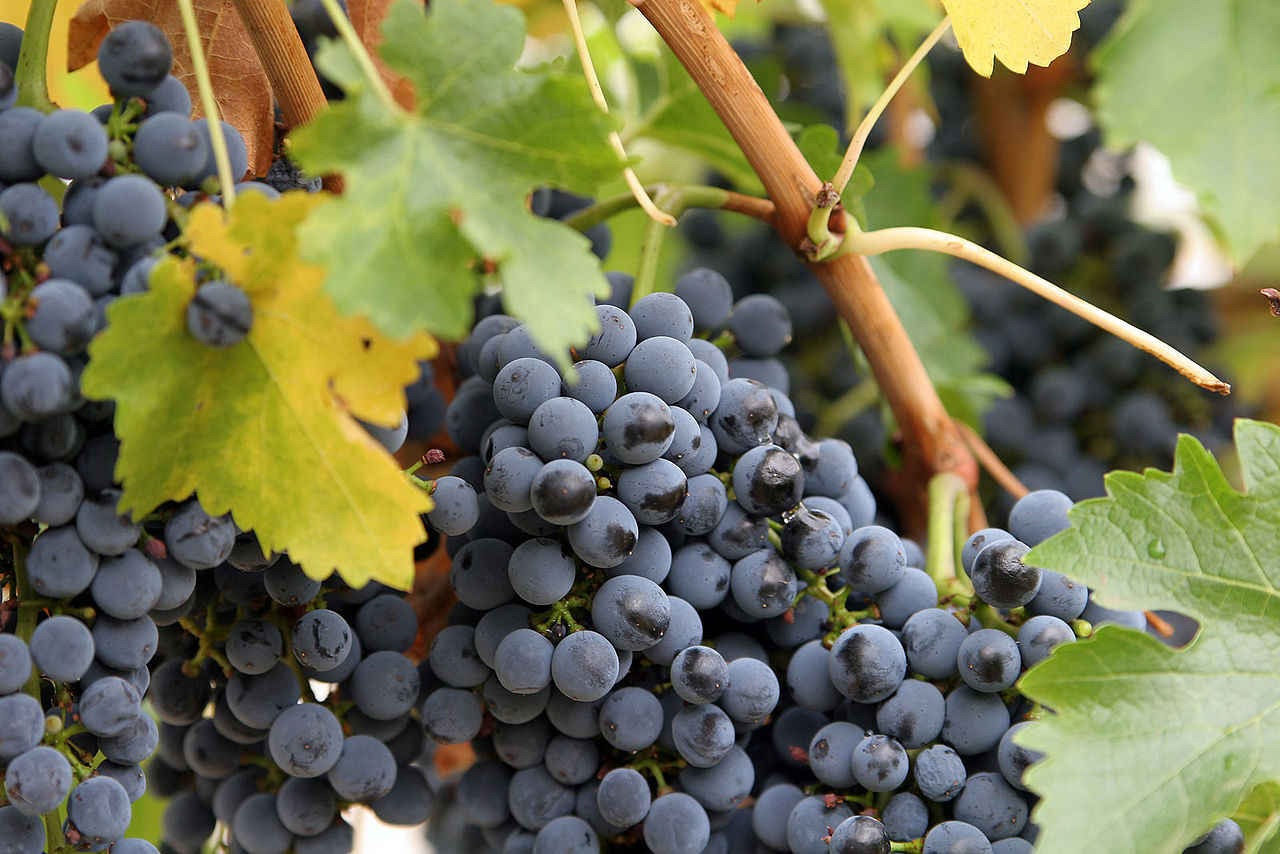
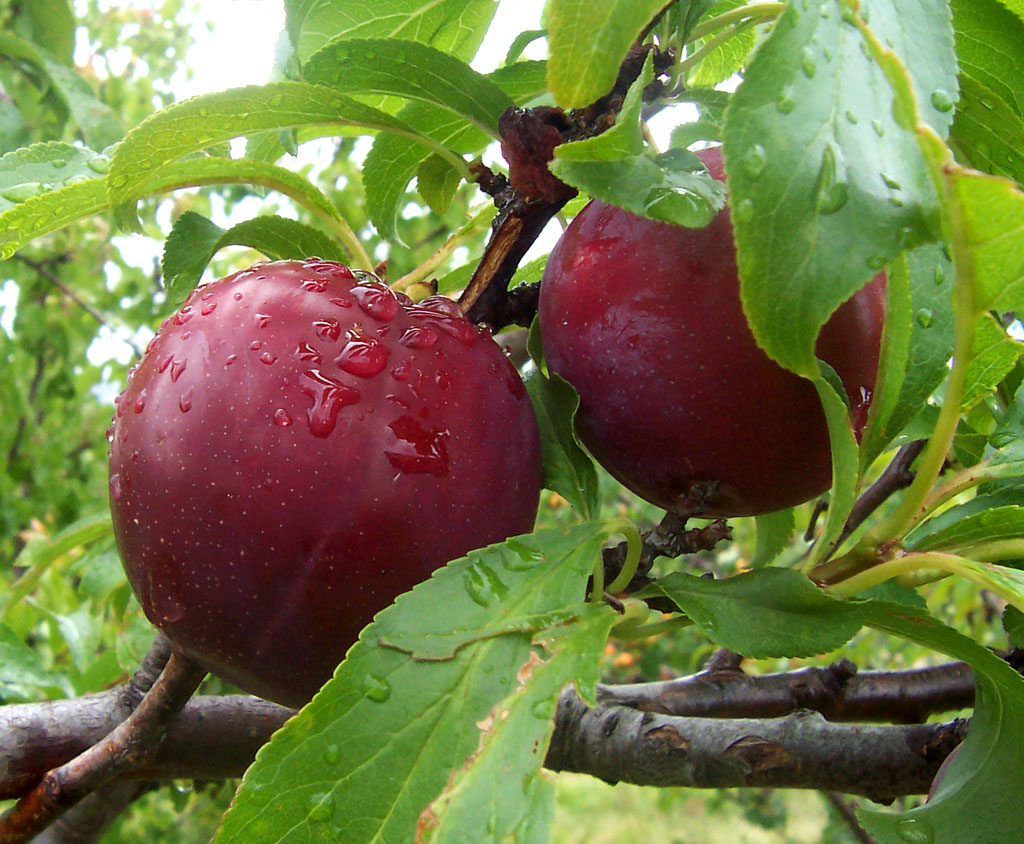
When glaucous refers to a plant surface it most often means an epicuticular wax layer that scatters light and creates a pale bluish or grey cast. This 'bloom' can often be rubbed off with a finger. The coating is produced by plants as microscopic wax crystals or films and serves several ecological functions: it helps repel water, reduces direct wetting of tissues, lowers non‑stomatal water loss, and can reflect ultraviolet radiation. On fruit such as grapes, plums or blueberries the bloom also affects appearance and handling and is sometimes called a wax bloom.

Examples in plants and common names
Many species are described as glaucous in their common or scientific names to highlight this trait. Examples include ornamental and wild plants with bluish foliage, such as succulents like agaves and many alpine or Mediterranean species whose leaves carry a protective wax layer. In temperate flora the name appears in plants like Glaucous Sedge (a common name applied to some Carex taxa) and Glaucous Michelmas Daisy, used for species with a grey‑green look. The term may also be applied to undersides of leaves that are paler than the upper surface.

Glaucous in animals and species names
In birds the adjective glaucous indicates pale bluish‑grey plumage, bills or legs. It appears in the names of several bird species: for example, the glaucous gull (Larus hyperboreus) is noted for very pale grey wings and back, and the glaucous‑winged gull (Larus glaucescens) bears a related name. The glaucous macaw (Anodorhynchus glaucus) is another historical name; that parrot is generally believed to be extinct or nearly so. Using glaucous in a species name signals that the colour or coating is a distinctive field character.

History, language and distinctions
The word derives from ancient roots meaning 'gleaming blue‑green' and has passed into English via Latin and French forms. In horticulture and botany the distinction between true pigment (a tissue colour) and a glaucous bloom (a removable wax) is important for identification. Related adjectives include glaucescent (becoming glaucous) and bloom or glaucous bloom for the powdery film on fruit. Beyond natural history the term is used in art, heraldry and design to describe muted blue‑green shades.
Practical notes
To tell if a glaucous appearance is a surface bloom rather than pigment, rub an inconspicuous area: a bloom will often come off leaving a shinier or darker surface beneath. The presence of epicuticular wax can influence post‑harvest storage of fruit and the water relations of leaves, so the trait has both ecological and agricultural significance. Typical examples to look for in the field or garden include grape skins, plum skins, certain eucalyptus and many succulent leaves.
Notable facts and quick list
- Glaucous often signals a protective wax bloom on plants or a pale grey‑blue colour in animals.
- Common examples: grapes, plums, succulents, glaucous gulls.
- Distinguish bloom (removable) from pigment (integral to tissue).
- See botanical treatments for technical descriptions: botanical usage.
Questions and answers
Q: What does the colour glaucous refer to?
A: Glaucous is a colour that is bluish-green or bluish-grey. In botany it refers to a pale bluish waxy or powdery layer on a surface such as a leaf or a fruit. In birds it refers to a pale bluish grey colour of the feathers, legs or some other part of the bird.
Q: Are there any plants and animals with glaucous in their name?
A: Yes, examples include Glaucous Gull (Larus glaucescens) and Glaucous Macaw (Anodorhynchus glaucus). There is also the Glaucous Sedge (Carex flacca) and the Glaucous Michelmas Daisy (Symphyotrichum laeve).
Q: How can you identify if something has glaucous characteristics?
A: Often grapes, plums and other fruit have a glaucous waxy or powdery layer on the surface of their skin which can be easily rubbed off. Birds may have pale bluish grey feathers, legs or some other part of them which are indicative of having glaucous characteristics. Leaves may also have an underside that is glaucious in coloration.
Q: What role does this layer play for fruits?
A: The layer protects the fruit from water.
Q: Is there an example of a bird with this characteristic?
A: Yes, one example is the Glaucous Gull (Larus glaucescens).
Q: Is there an example of plant with this characteristic?
A: Yes, one example is the Glaucous Sedge (Carex flacca).
Related articles
Author
AlegsaOnline.com Glaucous: bluish‑green/grey colour and botanical term Leandro Alegsa
URL: https://en.alegsaonline.com/art/39141
Sources
- collinsdictionary.com : collinsdictionary.com/dictionary/english/glaucous