
Flamingo: Ecology, Behavior, and Species of the Family Phoenicopteridae
Comprehensive guide to flamingos (Phoenicopteridae): ecology and wetland habitats, filter-feeding bills and diet, social and breeding behavior, plumage pigmentation, species distribution, size and lifespan
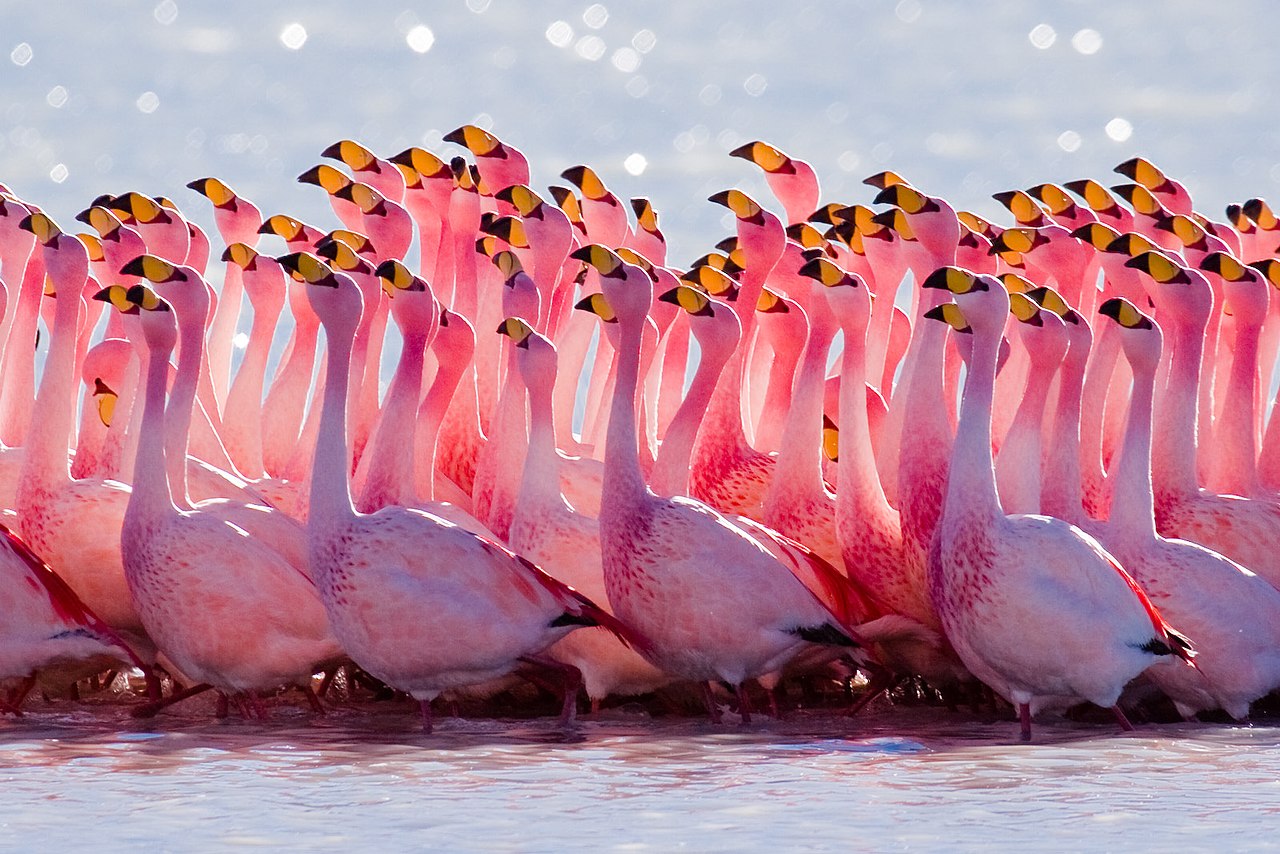
Flamingos are social, often noisy wading birds that form large groups called flocks. They typically inhabit shallow saline or alkaline lakes, lagoons and other wetlands where they feed and nest (listen 
Image gallery
9 Images



Classification and distribution
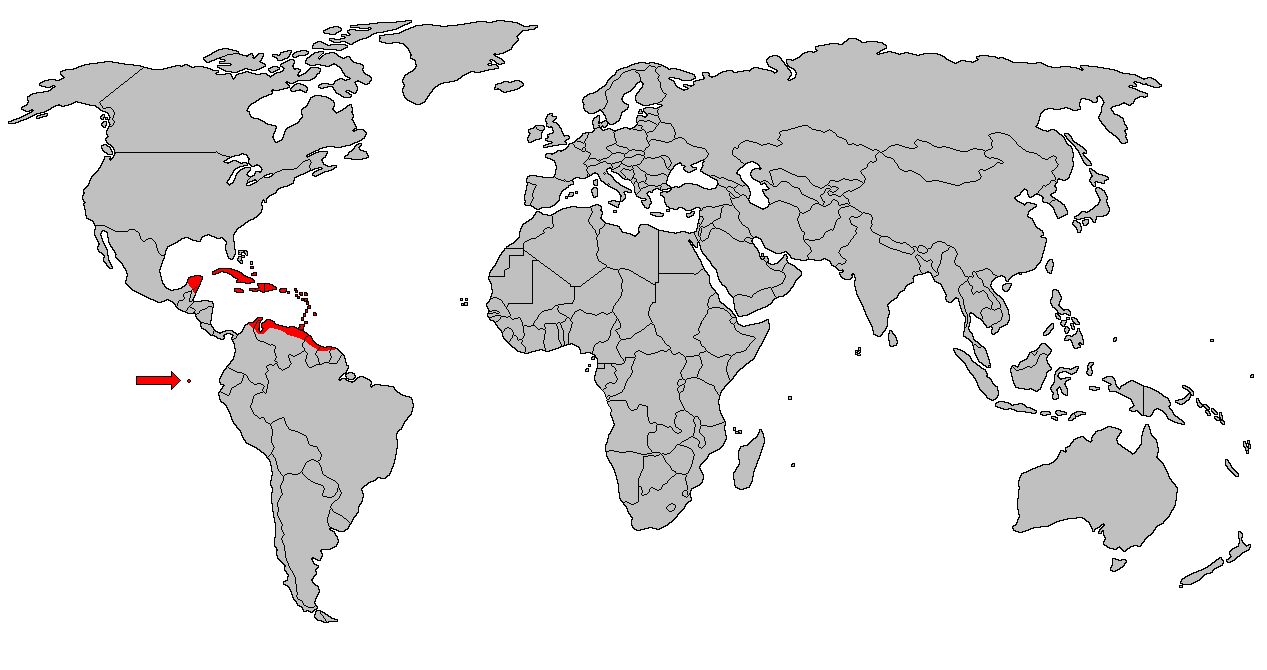
Flamingos belong to the family Phoenicopteridae and include species placed in the genus Phoenicopterus. In total there are six recognised species. Two of these species occur across parts of Africa, southern Europe and Asia, while the remaining four are native to regions of North America and South America.
Appearance and feeding
Adult flamingos range from pale pink to deep red in colour. Their plumage colour is derived from carotenoid pigments in their diet—mainly algae, small crustaceans and other invertebrates—rather than from bacteria. Chicks hatch with gray or white down and acquire adult hues as they grow and consume pigment-containing food.
They have long, thin legs and long necks; many species stand and sleep on one leg. Research suggests this posture helps reduce the energy cost of standing or aids temperature regulation. Flamingos are equipped with a characteristic bent bill shaped somewhat like a banana, adapted for filter-feeding: the bird pumps water through comb-like lamellae in the bill to strain food from mud and water.
Size, movement and lifespan
Body size varies by species; some individuals can reach around 145 cm in height and weigh up to about 4 kg. Flamingos are capable flyers and will travel between feeding and breeding sites. They are long-lived for birds of their size, often surviving for several decades — wild birds commonly live into their twenties, and individuals in protected or captive conditions have been known to live 40 years or more.
Related articles
Author
AlegsaOnline.com Flamingo: Ecology, Behavior, and Species of the Family Phoenicopteridae Leandro Alegsa
URL: https://en.alegsaonline.com/art/34995
Sources
- zoo-hannover.de : Flamingo