
Flatback turtle (Natator depressus): biology, range and conservation
An authoritative overview of the flatback sea turtle, Natator depressus — an Australian endemic. Covers appearance, habitat, behaviour, threats, conservation status and how it differs from other sea turtles.
The flatback turtle (Natator depressus) is a sea turtle species found only around Australia’s continental shelf waters. It belongs to the family Cheloniidae and is notable for its relatively low-domed, flattened carapace and predominantly nearshore habits. Because the species occurs only in Australian waters it is often described as endemic to that region. Its taxonomy has changed historically; older literature may refer to it under different names.
Image gallery
8 Images




Physical characteristics
Adult flatbacks are medium to large sea turtles with a smooth, flattened carapace that gives the species its common name. The upper shell varies from olive-green to grey and the plastron (underside) is typically pale or cream-coloured. Adults commonly reach carapace lengths of around three feet (roughly 76–96 cm) and can be heavy-bodied compared with some other species. Hatchlings of flatback turtles are relatively large at emergence when compared with hatchlings of other marine turtles, a trait that may influence early survivorship.
Distribution, habitat and nesting
Flatbacks inhabit shallow coastal waters and sandy beaches along the Australian continental shelf, where they forage and nest. They favor soft-bottom habitats such as seagrass beds, sand flats and shallow reefs close to shore, rather than the long-distance pelagic migrations typical of many oceanic sea turtles. Females nest on sandy beaches; nests are dug above the high-tide line and hatchlings make a short crawl to the sea.
Diet and life history
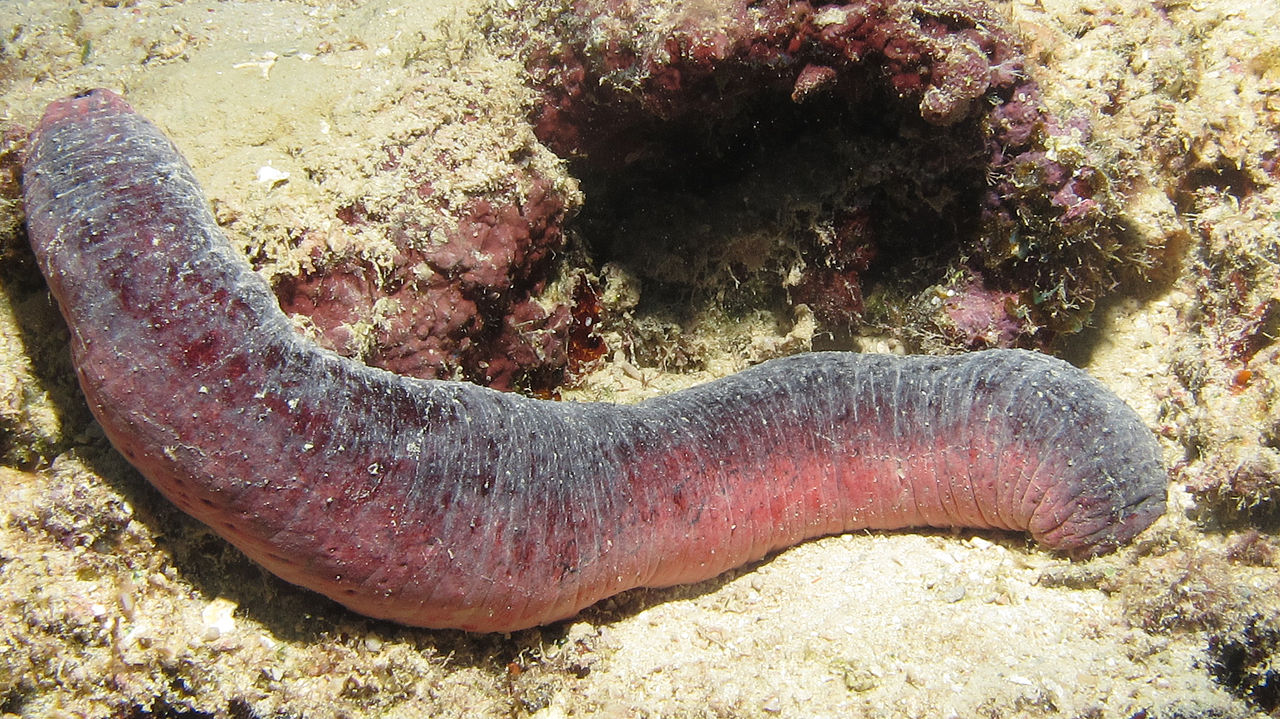
Inshore foraging habits mean the flatback’s diet is focused on benthic and soft-bodied prey. Observations and stomach-content studies indicate a preference for sea cucumbers, soft corals, cnidarians, molluscs and other invertebrates found on the seabed. Like other marine turtles, flatbacks have a multi-stage life cycle that includes an egg stage, a post-hatchling/fledgling phase, juvenile development in shallow waters and adult reproductive periods. Many life-history details — including precise age at maturity — are less well known than for some other sea turtle species.
Threats and conservation
The International Union for Conservation of Nature (IUCN) currently lists the flatback as Data Deficient, reflecting gaps in knowledge about population size and trends. Nevertheless, recognised threats include coastal development and habitat loss at nesting beaches, predation of eggs and hatchlings by introduced mammals, incidental capture in fisheries (bycatch), pollution and climate-related changes to nesting sites. Conservation actions focus on protecting nesting beaches, reducing bycatch, controlling predators where feasible, and improving monitoring and research to inform management.
Notable distinctions and importance
Several features set the flatback apart from other sea turtles: its restricted Australian range, its flattened shell profile, its preference for shallow nearshore waters, and relatively large hatchlings. These characteristics influence both its ecology and the conservation approaches suited to the species. Because it does not undertake the same ocean-spanning migrations as some other turtles, local management of coastal habitats and fisheries has particular relevance for the species’ future.
Further reading and resources
- Taxonomy and classification notes for Natator depressus
- Distribution maps and regional occurrence
- Family Cheloniidae: overview and comparisons
- Conservation status and protected area information
- Habitat and coastal shelf ecology relevant to flatback turtles
- Common names, historical nomenclature and etymology
- Field identification and species characteristics
Questions and answers
Q: What is the flatback turtle?
A: The flatback turtle is a species of turtle that is endemic to the sandy beaches and shallow coastal waters of the Australian continental shelf.
Q: What was the flatback turtle previously called?
A: The flatback turtle was previously called Chelonia depressa.
Q: How is the flatback turtle different from other turtles?
A: The flatback turtle gets its common name from the fact that its shell has a flattened or lower dome than the other turtles.
Q: How large can the flatback turtle grow?
A: The flatback turtle can grow from 76 to 96 cm (30 to 38 inches) in carapace length and can weigh from 70 to 90 kg (154 to 198 lb).
Q: What is the conservation status of the flatback turtle?
A: The flatback turtle is listed by the IUCN Red List of Threatened Species as Data Deficient, meaning there is insufficient scientific information to decide its conservation status at present.
Q: Why is the flatback turtle the least endangered of all sea-going turtles?
A: Unlike other turtles, there is not a big human demand for the meat of the flatback. It does not swim far from shore, so it does not get caught in nets as often as other sea turtles. These reasons may be why it is not in more danger of extinction.
Q: How large are hatchlings when the flatback turtle emerges from nests?
A: The hatchlings of the flatback turtle are larger than other turtle hatchlings.
Related articles
Author
AlegsaOnline.com Flatback turtle (Natator depressus): biology, range and conservation Leandro Alegsa
URL: https://en.alegsaonline.com/art/35034
Sources
- reptile-database.reptarium.cz : Natator depressus
- reptile-database.org : The Reptile Database
- jstor.org : "The Flatback Turtle, Chelonia depressa Garman in Southeast Queensland, Australia"
- oldredlist.iucnredlist.org : "Natator depressus (Flatback)"
- animaldiversity.org : "Natator depressus (Flatback Turtle)"