
Flightless birds: characteristics, evolution, and human interactions
Flightless birds are species that lost powered flight and adapted to running or swimming. This article covers their anatomy, examples, evolutionary causes, human uses, and conservation challenges.
Flightless birds are avian species that do not use powered flight to move through the air. Instead they rely on other modes of locomotion such as running, walking, or swimming. The condition of flightlessness has evolved many times in different lineages, so flightless birds are not a single evolutionary group but a set of species that share similar adaptations to ground- or water-based life. For a basic definition see what makes a bird flightless. This shift in lifestyle has shaped their bodies, behaviours and ecological roles.
Image gallery
10 Images


Key physical characteristics
Anatomically, flightless birds commonly show a reduced wing skeleton and a diminished or absent keel on the sternum, the bony ridge that anchors the large flight muscles in flying species. Their wings are usually smaller relative to body size and may serve other functions, such as balance, display, or swimming. Many species have proportionally stronger legs, a more robust pelvis and altered center of gravity to support cursorial (running) or cursorial-swimming habits. Their plumage can differ as well; some have dense insulating feathers for aquatic life while others have specialized feathers for display or camouflage — for more on feather differences see feather adaptations.
Examples and diversity
- Ostrich (largest living bird): a fast-running African species adapted to open habitats.
- Emu: a tall, ground-dwelling bird of Australia (emu).
- Cassowary: a forest-dwelling, often solitary bird with a helmet-like casque (cassowary).
- Rhea: South American relatives adapted to grasslands (rhea).
- Kiwi: small, nocturnal forest birds from New Zealand with many unusual traits (kiwi).
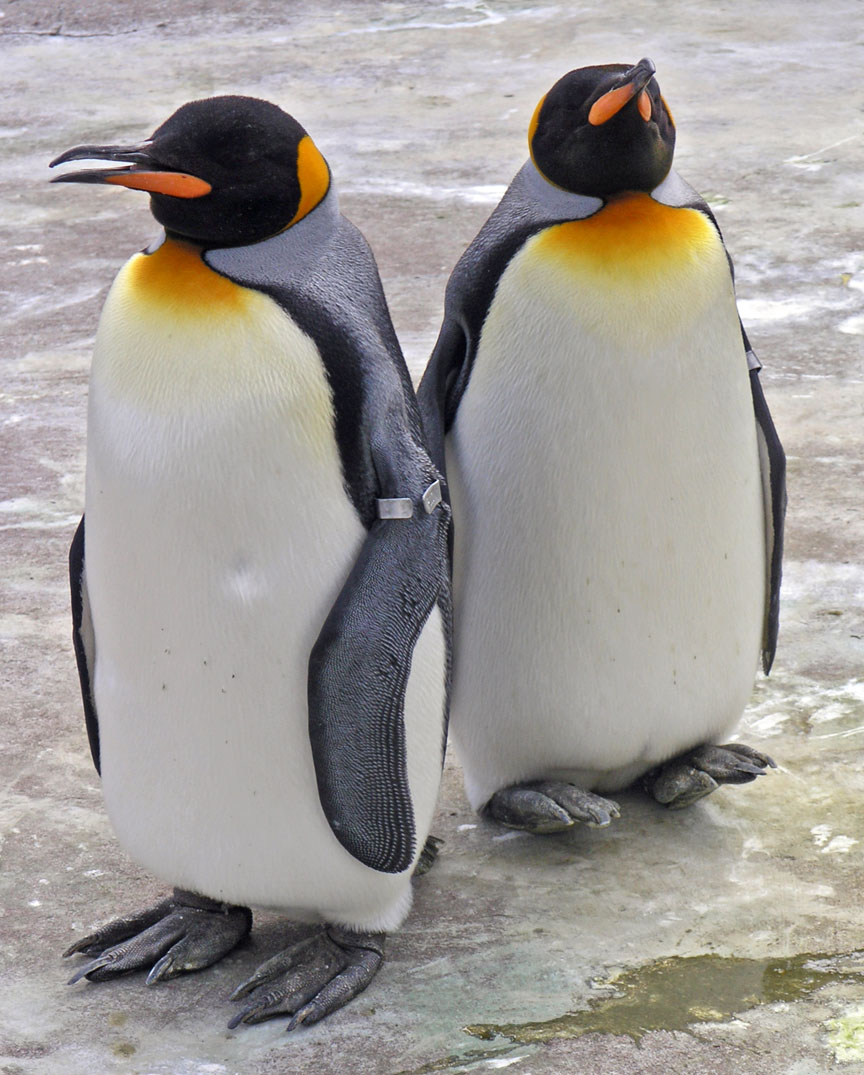
- Penguins: flightless seabirds specialized for swimming rather than flying (penguins).
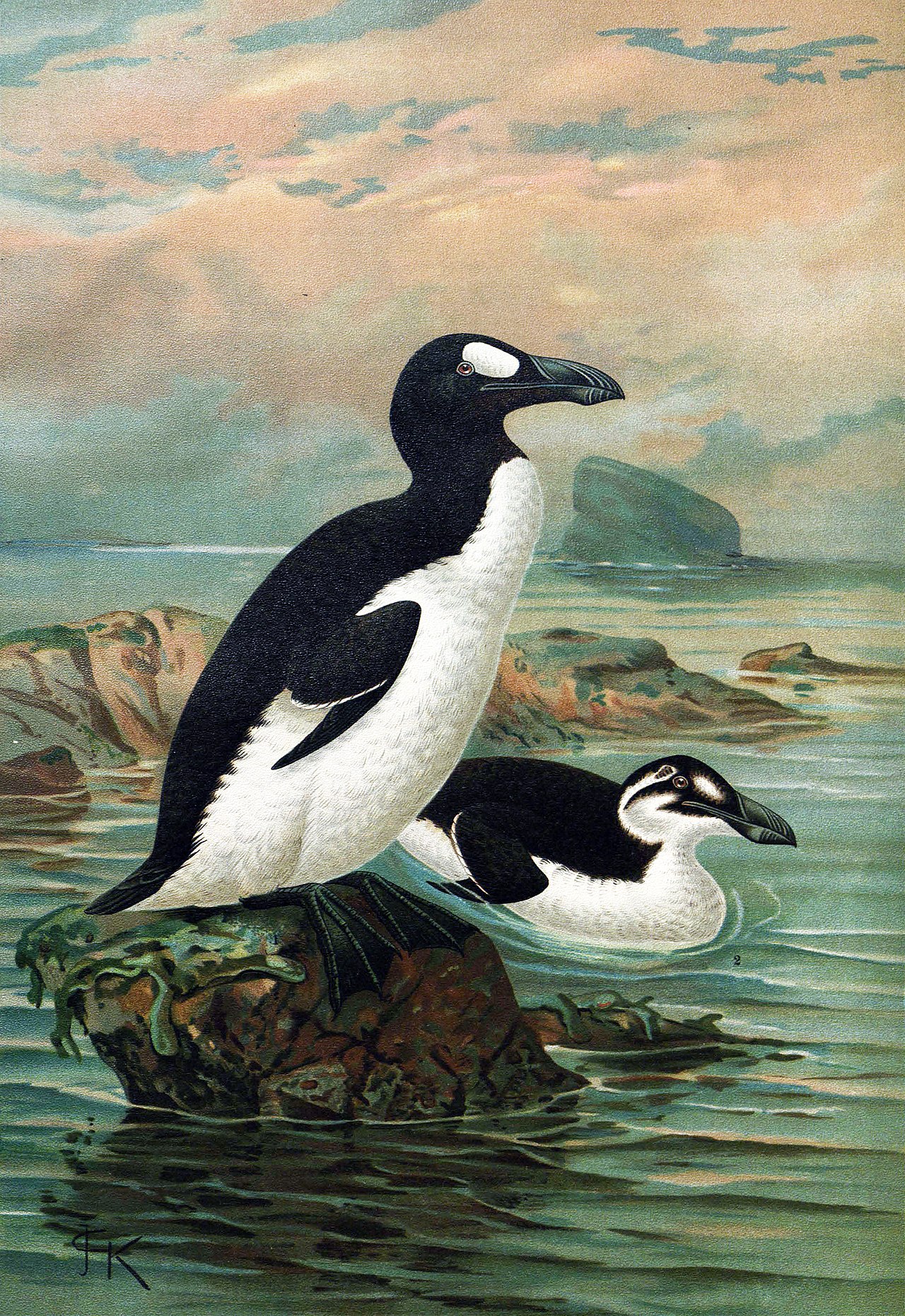
Beyond these living examples, island endemics and extinct groups (for example the moas and the dodo, or the fossil phorusrhacids) illustrate how widespread and diverse flightlessness has been in the past.
Evolutionary causes and history
Flightlessness typically evolves when the energetic cost of maintaining powered flight outweighs its benefits. On islands without mammalian predators, or in environments where running or diving gives a survival advantage, natural selection can favour individuals that invest resources in other traits: bigger bodies, stronger legs, or enhanced diving ability. This process of reduction or loss of flight has occurred independently in many parts of the world. Researchers discuss how selection pressures and ecological opportunity drive these convergent outcomes.
Human arrival has had a profound impact: hunting, introduced mammals and habitat change caused numerous extinctions among otherwise well-adapted flightless species. Some areas, notably New Zealand, once harboured many flightless birds but lost several after human settlement.
Uses, captivity and conservation
Historically, humans exploited flightless birds for feathers, meat and skin. Ostriches were farmed for decorative feathers and today are raised for meat and leather. Flightless birds are often easier to keep in enclosures because they cannot fly away, but they still require appropriate space and enrichment. Conservation concerns vary: some species like penguins face threats from climate change and fisheries, while island species remain vulnerable to introduced predators. Awareness of their unique biology helps guide protective measures.
Notable facts: the smallest extant flightless rail lives on a remote island, while the ostrich remains the largest living bird. Importantly, flightlessness is a repeated evolutionary solution, demonstrating how similar ecological pressures can shape unrelated birds into comparable forms.
Questions and answers
Q: What are flightless birds?
A: Flightless birds are birds which cannot fly and rely on their ability to run or swim.
Q: How many species of flightless birds exist today?
A: There are about 60 species of flightless birds living today.
Q: What is the smallest flightless bird?
A: The smallest flightless bird is the Inaccessible Island Rail, which has a length of 12.5 cm and a weight of 34.7 g.
Q: What is the largest living flightless bird?
A: The largest living flightless bird is the Ostrich, which can reach 2.7 m in height and 156 kg in weight.
Q: Why do some island-dwelling varieties of birds remain flightless?
A: Some island-dwelling varieties of birds remain flightless because there is selection against flying when it isn't necessary for survival; having wings and being able to fly comes with a biological cost that these kinds of birds don't need to pay if they stay grounded.
Q: Are there any other extinct families related to modern day's flightless birds?
A: Yes, there were other families of extinct, but related,flightless birds such as the Phorusrhacidae that evolved to be very powerful terrestrial predators.
Q: How are ostriches used by humans today?
A: Ostriches are raised for meat and for their skins, which are used to make leather.
Tags
Related articles
Author
AlegsaOnline.com Flightless birds: characteristics, evolution, and human interactions Leandro Alegsa
URL: https://en.alegsaonline.com/art/35122
Sources
- terranature.org : "New Zealand Ecology - Moa"
- nhm.org : "The bird site: flightless birds"
- savethekiwi.org.nz : "New Zealand's Icon:Flightless"
- elibrary.unm.edu : "Status of the endemic Atitlan grebe of Guatemala: is it extinct?"
- doi.org : 10.2307/1368847
- jstor.org : 1368847