
First Epistle of John: origin, themes, and significance
An overview of the First Epistle of John: authorship questions, historical context, major themes (love, truth, assurance), structure, and how the letter tests true teaching and ethical life.
Overview
The First Epistle of John is an early Christian letter found in the Christian canon; it appears in the Bible and occupies a place within the New Testament. It is traditionally counted in the canonical order referenced by some texts and lists (canonical order) and has been read across diverse Christian communities for its pastoral tone and practical theology. The letter addresses matters of belief and conduct, especially the reality of Jesus and the implications of that reality for how Christians live.
Image gallery
6 Images

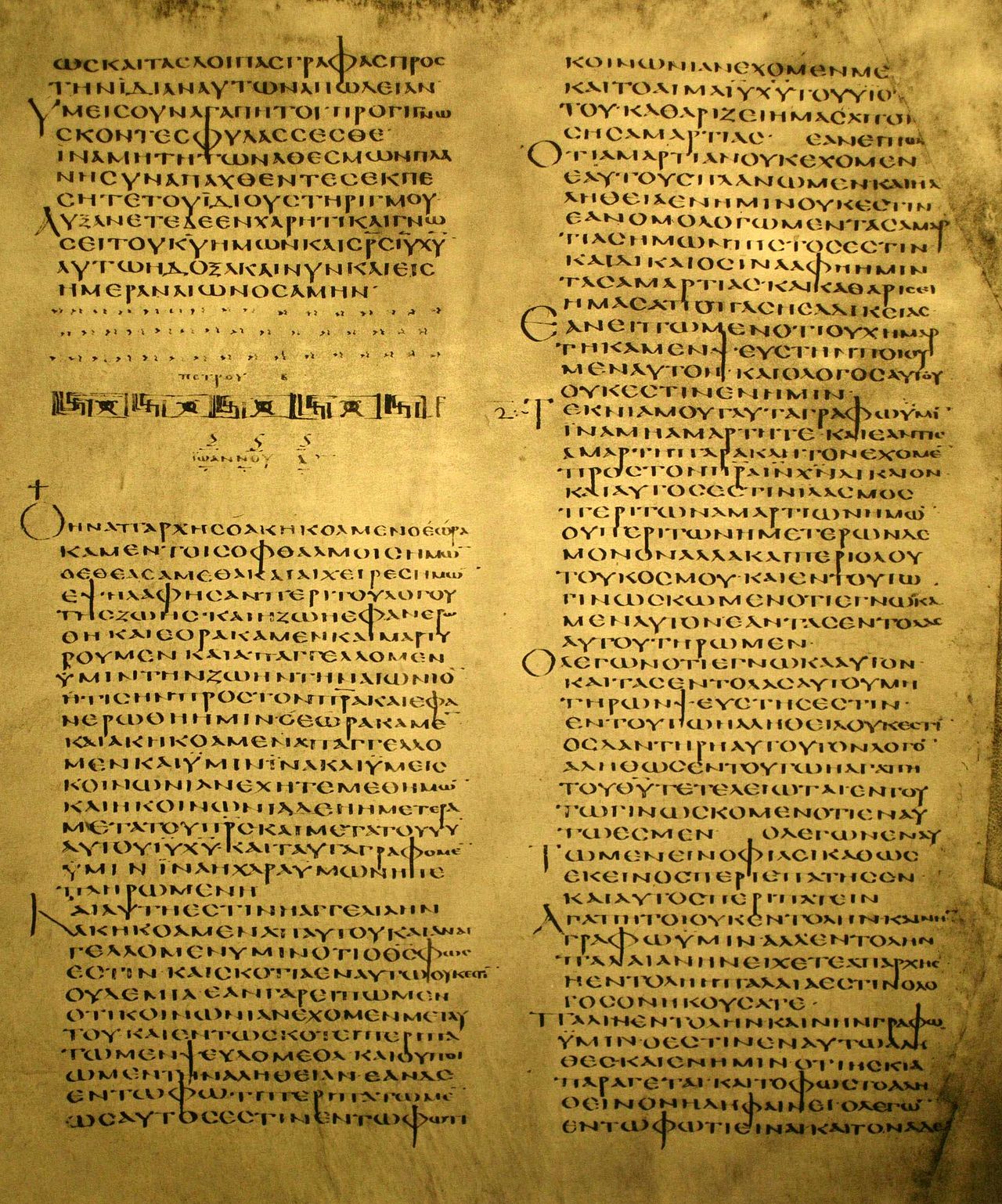


Authorship and date
By tradition the epistle is attributed to John, a figure associated with the circle that produced the Gospel of John; that gospel is often linked to the same author in traditional accounts (Gospel of John). Scholarly opinion varies about whether the writer of this epistle is exactly the same person who wrote the Gospel or the Book of Revelation. Many scholars locate the composition in a Johannine community in Asia Minor, probably around the city of Ephesus, during the late first century. The letter’s simple, repetitive style and its emphasis on certain shared vocabulary suggest a common community background rather than a purely formal epistolary genre.
Historical context and opponents
The letter responds to teaching that denied the full humanity of Jesus, asserting instead that Christ truly came "in the flesh". Such ideas are commonly associated with early forms of docetism and other tendencies outside the orthodox mainstream. The epistle labels some of these opponents as "antichrists" and offers criteria by which believers can judge teachers and teachings detected in the community. At the same time, the letter addresses ordinary believers, offering encouragement and instruction for everyday conduct.
Themes and theological emphasis
Major themes include light versus darkness, truth and falsehood, love as the defining mark of the community, obedience to God’s commands, and assurance of life in Christ. The letter repeatedly ties correct belief about Jesus to ethical life: authentic confession that Jesus is the Son of God is linked to a transformed practice. Ethical concerns (for example, ethics) and concrete expressions of love are used as tests of genuine faith. The epistle also offers pastoral assurance, helping readers gain confidence in their standing before God and in the promise of eternal life.
Structure and literary features
The letter is short, composed in plain, repetitive Greek that emphasizes contrast and assurance more than formal argumentation. It lacks the typical opening and closing formulas of Greco-Roman letters, and instead reads like a circular exhortation to a community. Its content may be grouped into major blocks: an introduction stressing fellowship and joy; warnings against false teachers; ethical imperatives about sin and love; and doctrinal affirmations about Christ and eternal life. Its compact form made it well suited for reading aloud in congregational settings.
Purpose, uses, and significance
The immediate purpose of the epistle was pastoral and corrective: to strengthen believers’ confidence, to warn against misleading teachers, and to encourage ethical consistency. Over time the letter has been important for debates about Christology (the identity of Christ), Christian ethics, and the doctrine of assurance. Because of its practical tests for apostolic truth, the epistle remains widely cited in discussions of how communities discern authentic teaching and authenticate fellowship among believers.
Practical tests of true teaching
- Confession: faithful teachers will affirm that Jesus is the incarnate Son (see claims about being "in the flesh").
- Ethical life: true teaching results in changed behavior and moral responsibility (ethics).
- Love: mutual care and sacrificial love mark those who belong to God (love).
- Assurance: genuine faith produces confidence in salvation and eternal fellowship (assurance of eternal life).
For further reading about the epistle’s place in Christian literature and its interpretation, consult introductions to the Christian scriptures and resources on Johannine writings. Scholars and pastors continue to study how this brief letter shaped early Christian identity and how its tests for truth can be applied across different historical settings.
Related articles
Author
AlegsaOnline.com First Epistle of John: origin, themes, and significance Leandro Alegsa
URL: https://en.alegsaonline.com/art/34531