
Salvation in Christianity
Christian doctrine that humans are rescued from sin and its effects through the life, death and resurrection of Jesus Christ; interpreted variously across traditions and practices.
Overview
In Christian teaching, salvation refers broadly to God’s rescue of people from sin, spiritual death, and separation from God. Central to this belief is the role of Jesus: his earthly ministry, sacrificial death and resurrection are presented as the decisive events by which reconciliation is made possible. Celebrations such as Good Friday and Easter mark these events in the Christian calendar.
Image gallery
5 Images


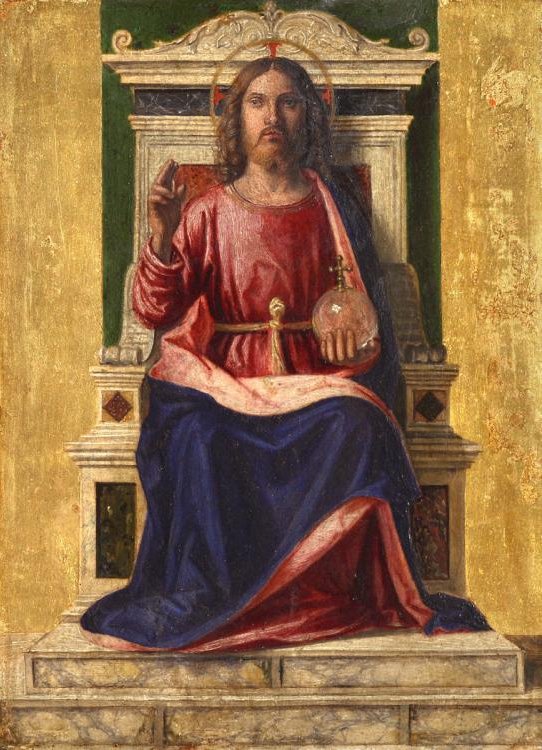
Key elements and terms
Writers and preachers commonly distinguish several aspects of salvation. These include atonement (the making of peace with God), often called atonement, justification (being declared righteous), sanctification (growth in moral life), and glorification (final renewal). The message is offered to Christians as both a present reality and a future hope, and it addresses all people, including those described in tradition as sinners.
Historical development
Early Christian writings and the New Testament frame salvation around Jesus’ work and the community's faith in him. Over centuries theologians debated how his life and death bring about redemption, producing different models (for example, satisfaction, substitution, moral influence). These discussions shaped liturgy, preaching and pastoral practice throughout church history.
Practice and significance
Salvation influences worship, ethics and rites. Baptism and the Lord's Supper are commonly tied to receiving or remembering salvation; sermons and hymns emphasize trust, repentance and transformation. For many believers, assurance of salvation affects personal identity, moral responsibility and communal life.
Denominational distinctions
Christian traditions agree on the centrality of Christ but disagree over how salvation is received and maintained. Some emphasize faith alone while others stress faith together with sacraments and works; Eastern churches often speak of salvation as participation in divine life (theosis). These differences have practical consequences for theology, pastoral care and ecumenical discussion.
Notable facts
Salvation remains a living theological topic because it connects Scripture, ritual, and everyday moral choices. It shapes major Christian festivals and is repeatedly explored in preaching, art and scholarship, reflecting both the continuity and diversity of Christian belief.
Read more on salvation • Christ’s death • Resurrection accounts • Good Friday observance • Easter traditions • Christian communities • Atonement theories • God in Christian theology • Life of Jesus • Sinners and repentance
Related articles
Author
AlegsaOnline.com Salvation in Christianity Leandro Alegsa
URL: https://en.alegsaonline.com/art/86582
Sources
- devotion.knowing-jesus.com : devotion.knowing-jesus.com/the-three-elements-of-salvation
- biblical-christianity.com : biblical-christianity.com/the-three-phases-of-salvation
- academia.edu : academia.edu/7730517/THREE_STAGES_OF_SALVATION_SANCTIFICATION_JUSTIFICATION_AND_GLORIFICA…
- newadvent.org : newadvent.org/cathen/13407a.htm
- catholic.com : catholic.com/tract/the-necessity-of-baptism
- wikihow.com : wikihow.com/Accept-Jesus-Into-Your-Life
- thegospelcoalition.org : thegospelcoalition.org/blogs/evangelical-history/a-brief-history-of-the-altar-call/