
Fortune-telling: Practices, History and Cultural Context
Overview of fortune-telling: common methods (tarot, astrology, palmistry), historical development, cultural roles, relation to religious divination, and modern uses and critiques.
Fortune-telling is the practice of attempting to gain insight into a person's future, character, or life circumstances by interpreting signs, symbols, or patterns. It is closely related to the broader concept of divination, but the two terms are often distinguished by the setting and purpose: divination is frequently described as part of formal religious ritual, while fortune-telling is commonly presented in informal, commercial, or entertainment contexts.
Image gallery
10 Images


Methods and techniques
Practitioners use a wide variety of systems and tools. Common methods include:
- Tarot and oracle cards: symbolic decks interpreted through spreads and positional meanings.
- Astrology: charting planetary positions to infer personality traits and potential life trends.
- Palmistry (chiromancy): reading lines and shapes of the hand.
- Scrying and clairvoyance: gazing into reflective surfaces, crystals, or visions.
- Runes, tea leaves, and numerology: casting small objects or analyzing numbers for pattern-based readings.
History and cultural context
Practices that resemble fortune-telling are attested in many ancient cultures where people sought guidance about health, harvests, marriage, and political decisions. In some societies those activities were embedded in institutional religion and invoked deities or consulted spirits, while in others they took on more secular or folk forms. Over centuries methods migrated across regions, adapted to local beliefs, and reappeared in new guises during cultural revivals and popular spiritual movements.
Uses, meanings, and modern roles
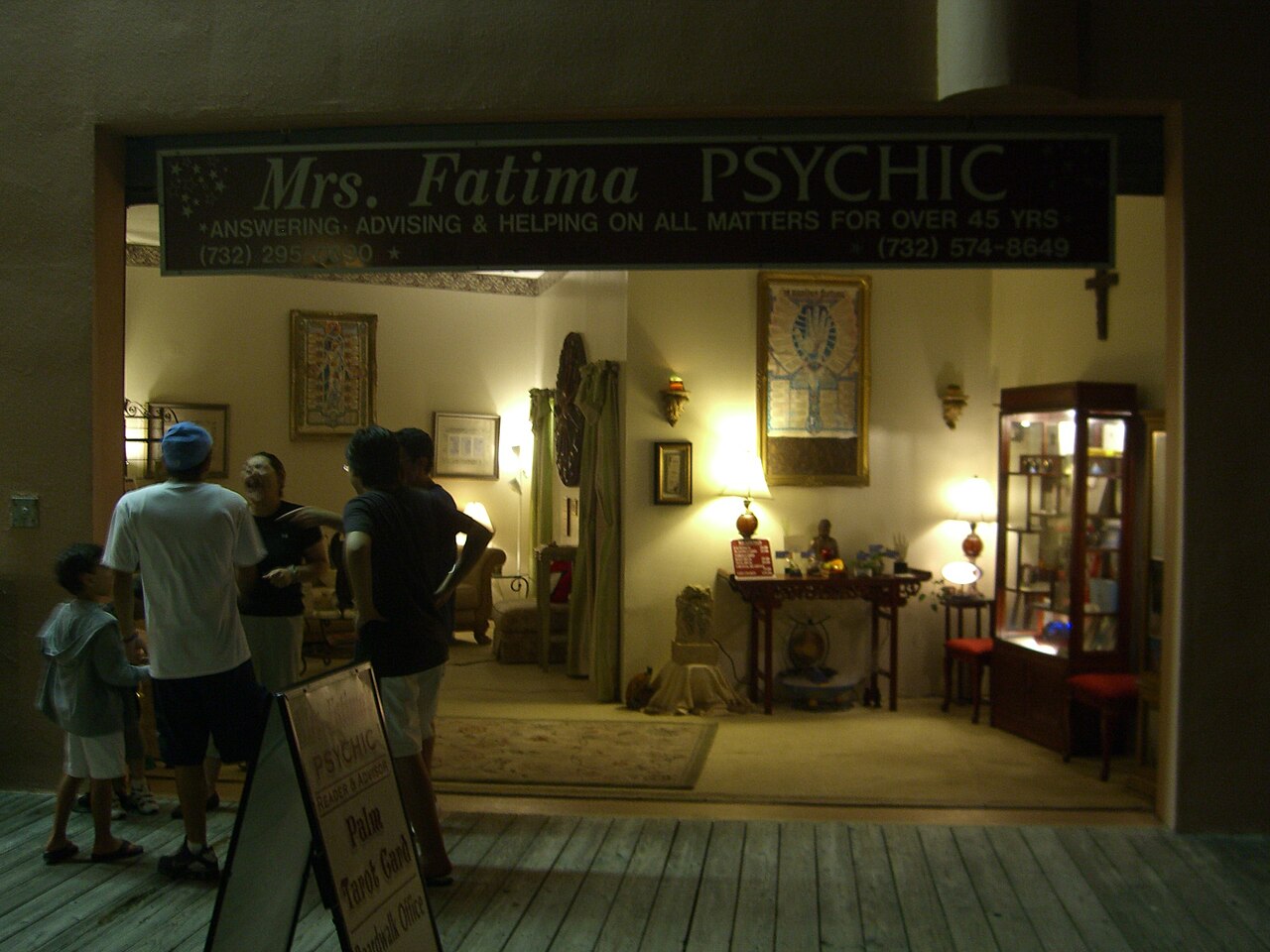
Today fortune-telling serves multiple roles: personal guidance, entertainment, ritual, and commercial service. Some clients seek emotional support, decision-making frameworks, or a sense of meaning. In media and tourism it often functions as a cultural attraction. Professional practitioners range from those who emphasize tradition and spiritual affiliation to entertainers who present readings for amusement.
Distinctions, criticism and legal or ethical issues
The boundary between fortune-telling and formal divination is not rigid. Some communities treat fortune-telling as a benign pastime, while others consider it taboo or regulated. From a scientific standpoint, claims of predictive power are viewed skeptically: many psychological effects—such as general statements that fit many people, confirmation bias, and techniques like cold reading—explain apparent accuracy without invoking supernatural causes. Legal frameworks vary: some jurisdictions exempt fortune-telling as entertainment, others regulate it when services resemble counseling or involve monetary fraud. For discussions of ritual contexts and comparative examples, see related topics on religious ritual.
Understanding fortune-telling involves appreciating both its cultural functions and the empirical limits of its claims. Whether encountered at a local fair, a shrine, or an online service, these practices reflect longstanding human interests in uncertainty, meaning, and social exchange.
Related articles
Author
AlegsaOnline.com Fortune-telling: Practices, History and Cultural Context Leandro Alegsa
URL: https://en.alegsaonline.com/art/35816