
Five solas: Core theological principles of the Protestant Reformation
Overview of the Five solas—Sola Scriptura, Solus Christus, Sola Gratia, Sola Fide, Soli Deo Gloria—their meanings, 16th‑century origins, theological roles, and ongoing significance in Protestant traditions.
Overview
The phrase "Five solas" names five short Latin statements that summarize key convictions of the Protestant Reformation in Europe during the 16th century. These convictions grew within a broad movement that challenged certain teachings and practices of the medieval Christian church and led to the emergence of Protestant churches often referred to collectively as part of the Protestant Reformation. The solas articulate where authority lies and how people are reconciled to God according to reformers such as Martin Luther and John Calvin, whose writings focused attention on Bible reading, prayer, and the doctrine of justification.
Image gallery
1 Image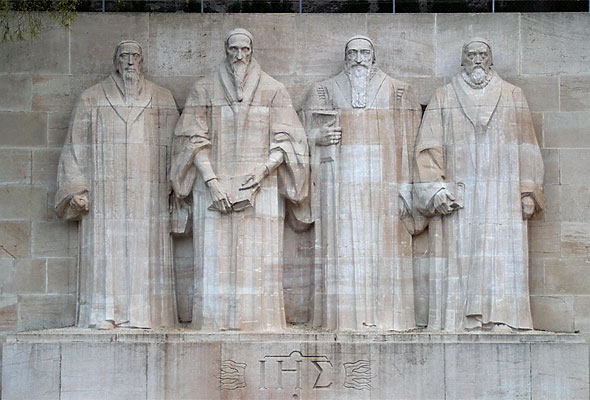
What the five solas are
The individual phrases are short Latin statements (see Latin) that became a convenient summary of Protestant theological emphases. Each sola addresses a particular theological question about authority, mediation, grace, faith, and the purpose of glory:
- Sola Scriptura (Scripture alone): the Bible is the primary norm for faith and practice. Reformers taught that scripture, rather than ecclesiastical authority alone, determines doctrine; this point is sometimes expressed as Sola Scriptura and was tied to renewed reading of the Bible in vernacular languages.
- Solus Christus (Christ alone): salvation is through Christ as the unique mediator. The emphasis rejects reliance on other mediators in the same way reformers opposed compulsory intercession by a clerical class and discouraged praying to intermediaries such as saints, pointing to the centrality of Jesus Christ alone.
- Sola Gratia (grace alone): salvation is a gift of God’s undeserved favor. Reformers insisted that admission to heaven or right standing with God depends on divine grace, not on human merit or purchased works.
- Sola Fide (faith alone): individuals are justified by faith in Christ rather than by their deeds. This stress on trust and reliance is commonly summed up with the phrase Sola Fide, emphasizing that faith is the receiving posture by which grace is applied.
- Soli Deo Gloria (to God alone be the glory): all honor and praise belong to God alone. This sola underscores that worship and ultimate credit for salvation belong to God, not to human leaders such as the Pope or institutional intermediaries.
Historical context and development
These ideas did not emerge in isolation; they were responses to particular theological, pastoral and institutional concerns of the late medieval church. Reformers argued that long-standing practices and doctrines had drifted from what they believed was taught in scripture. While the five phrases themselves were not coined as a neat five-part slogan by a single person at the outset, they were distilled from the writings and preaching that circulated during and after the Reformation and later became a common way to teach its central priorities.
Uses and influence
As concise summaries, the Five solas shaped Protestant worship, preaching, and education. Bible study and translation were encouraged so ordinary people could read scripture for themselves; preaching replaced many sacramental or intermediary practices as the chief means of instruction. The solas also influenced debates about the role of tradition, the authority of clergy, and the nature of assurance and repentance in Christian life.
Distinctions and continuing relevance
Different Protestant traditions interpret and prioritize the solas in varied ways. Some denominations emphasize one sola more than others; for example, evangelical groups often stress faith and grace, while Reformed churches highlight the sovereignty of God and the glory due to him. The solas remain a concise educational tool for understanding why many Protestant communities read scripture and frame doctrine differently from historic Catholic and Orthodox churches, which place greater weight on ecclesial tradition and conciliar authority.
Notable facts
The simple Latin formulas are memorable rather than exhaustive. They function as theological signposts rather than full systems: each sola opens questions about how scripture is interpreted, how grace is experienced, and how faith is recognized. For readers seeking further background on the period and these teachings, introductory resources on the Reformation era and on the writings of major reformers provide helpful entry points; these can be found through general historical overviews and denominational summaries that explain how the solas continue to shape belief and practice.
For related topics and primary-source collections, see general guides to the Reformation and translations of Reformers’ works, or consult theological introductions that explain how the solas relate to worship, ecclesiology and Christian devotion.
Further reading: historical surveys of the Protestant Reformation, studies of the medieval church in Europe, and accessible introductions to scripture and doctrine can provide more background for each of the five statements.
Questions and answers
Q: What was the Protestant Reformation?
A: The Protestant Reformation was a big change in the Christian religion that took place in Europe during the 16th century. Hundreds of thousands of people left the Catholic church to form Protestant churches all over Europe.
Q: What are "The Five Solas"?
A: The Five Solas are an important part of the reformed theology of these Protestant leaders. They include Sola Scriptura (The Bible only), Solus Christus (Jesus Christ only), Sola Gratia (Grace only), Sola Fide (Faith only) and Soli Deo Gloria (Only worship God).
Q: What does "Sola Scriptura" mean?
A: Sola Scriptura means "The Bible only". It refers to Protestants believing that they should only read the Bible to find out what God wants them to believe, instead of listening to the Pope or Priests in the Catholic Church.
Q: What does "Solus Christus" mean?
A: Solus Christus means "Jesus Christ only". It refers to Protestants believing that the only way to heaven is by Jesus dying on the cross, so they do not have to pray to Mary or saints or angels.
Q: What does "Sola Gratia" mean?
A: Sola Gratia means "Grace Only". This talks about going to heaven and means that God lets people into heaven who do not deserve it, and no one deserves to go there.
Q: What does "Sola Fide" mean?
A: Sola Fide means "Faith Only". This refers to Protestants believing that people must trust Jesus and have faith in Him if they want access into Heaven.
Q: What does “Soli Deo Gloria” mean?
A:Soli Deo Gloria means “Only Worship God” - it also implies that people should not worship anyone else such as Popes or Priests from other religions, nor should they trust those sources for their salvation.
Related articles
Author
AlegsaOnline.com Five solas: Core theological principles of the Protestant Reformation Leandro Alegsa
URL: https://en.alegsaonline.com/art/34695