
Finnish War (1808–1809)
War between Russia and Sweden (1808–1809) that led to Sweden ceding Finland and the creation of the autonomous Grand Duchy of Finland under Russia.
Overview
The Finnish War was a military conflict fought between the Russian Empire and the Kingdom of Sweden in 1808–1809. In Swedish it is known as Finska kriget, in Finnish as Suomen sota and in Russian as Русско-шведская война 1808—1809. The campaign resulted in Sweden losing control of its eastern provinces; those territories were transferred to Russia and reorganized as the Grand Duchy of Finland.
Image gallery
10 Images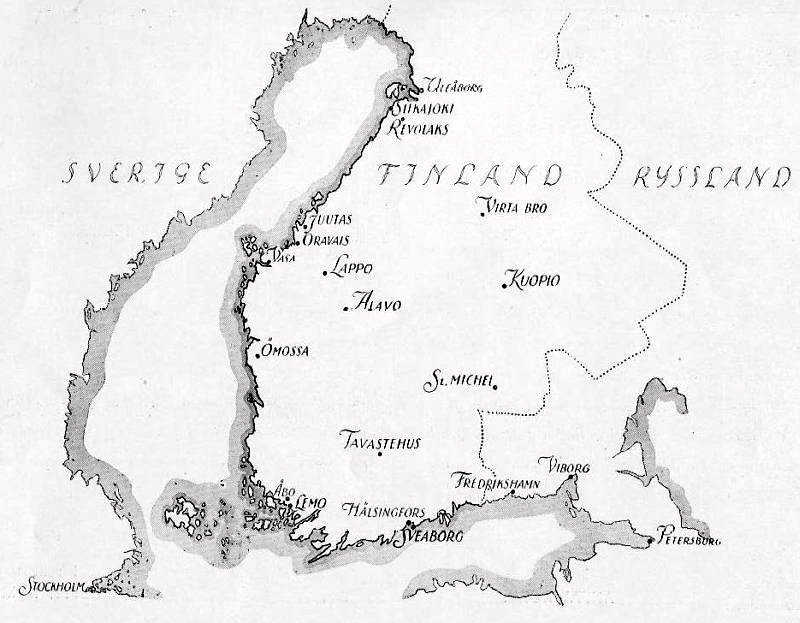



Causes and strategic context
The war took place in the broader setting of the Napoleonic era and shifting alliances in northern Europe. Pressure from Russia and the diplomatic aftermath of continental treaties pushed the two powers into armed conflict. Russia commanded superior land forces and aimed to secure its northwestern frontier; Sweden attempted to resist but was hampered by political divisions and the logistical challenge of operating across the Baltic archipelago.
Course of the conflict
Hostilities began when Russian troops invaded in 1808. Fighting combined field battles, sieges and coastal operations, and involved both conventional campaigning and local resistance. The naval dimension in the Baltic Sea affected supplies and troop movements. The fighting continued into 1809 and ended with Swedish capitulation of Finnish territory after several key concessions and maneuvers by Russian forces.
Consequences and political outcomes
The principal immediate result was the cession of Sweden's eastern provinces to Russia and the signing of a formal peace that confirmed the new boundary. The transferred lands became an autonomous entity under the Russian crown, granting Finland a distinct civil administration and a degree of internal self-government as the Grand Duchy of Finland. The military defeat also precipitated political change in Sweden, where King Gustav IV Adolf lost support and was eventually removed from power; diplomacy and domestic reform followed.
Notable facts and legacy
- The conflict is often dated 1808–1809 and is sometimes referenced simply as the Finnish War or as part of the Russo–Swedish wars (conflict).
- It exposed the limits of Swedish power in the region and altered the balance of influence around the Baltic.
- The transfer of territory shaped Finnish national development and institutions during the 19th century, setting conditions that contributed to Finland’s eventual independence.
- Primary belligerents are commonly cited as Russia and Sweden, and the events are often summarized under the reign and policies of Gustav IV Adolf (see also Finska kriget for Swedish accounts).
For further reading and primary sources consult specialist histories and archival material that cover the military operations, diplomatic negotiations and legal settlements that concluded the war and created the new Finnish arrangement under Russian sovereignty.
Related articles
Author
AlegsaOnline.com Finnish War (1808–1809) Leandro Alegsa
URL: https://en.alegsaonline.com/art/34435