
First Austrian Republic (period after World War I until 1938)
The First Austrian Republic was the interwar Austrian state from the 1919 post‑WWI settlement to its incorporation into Nazi Germany in 1938, marked by constitutional change, political conflict and economic hardship.
The First Austrian Republic refers to the independent Austrian state that emerged after the collapse of Austria‑Hungary and the international settlement that followed World War I. Its origins are rooted in the postwar treaties and negotiations, in particular the agreement that closed the Habsburg monarchy's succession and established Austria as a small, landlocked republic rather than a continuation of the empire. The period is generally dated from the Treaty of Saint‑Germain in 1919 through the political transformations and the final loss of sovereignty in 1938.
Image gallery
7 Images




Political structure and institutions
Under a constitution adopted in 1920, Austria was organized as a parliamentary republic with a federal element and a system of parties competing for control of government. The constitution was substantially amended in 1929, which altered the balance between parliament and executive institutions. Throughout the 1920s and early 1930s the state had the trappings of democratic institutions, but persistent economic and social pressures weakened parties and parliamentary practice.
Social and political tensions
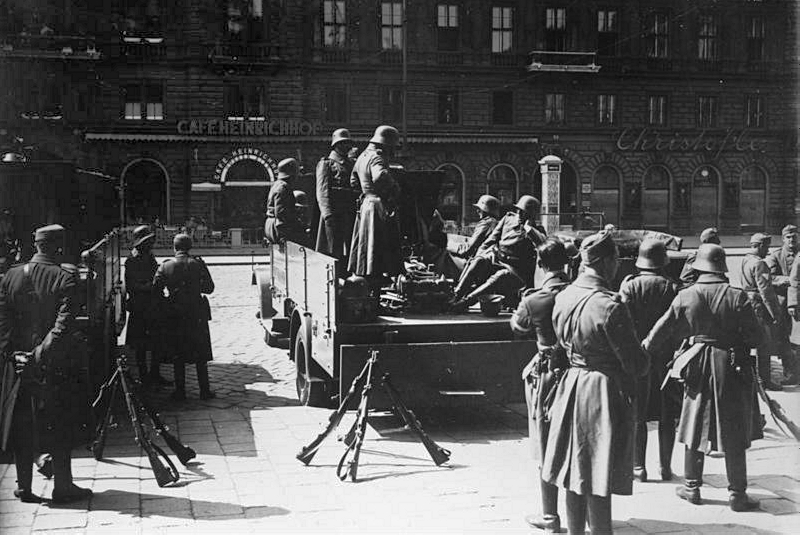
The interwar republic experienced intense conflict between organized political movements on the left and the right. Social Democrats, Christian social conservatives and other groups mobilized large constituencies while paramilitary formations and militias sometimes clashed. Episodes of street violence and landmark crises—such as the deadly public unrest in 1927—illustrate how polarized politics undermined public order and confidence in constitutional government.
Authoritarian turn and the end of parliamentary rule
In the early 1930s the republic moved away from parliamentary democracy toward authoritarian rule. Political leaders suspended or curtailed parliamentary procedures, and the government instituted a corporatist, authoritarian regime that suppressed socialist organizations and dissent. This transition culminated in open confrontation and a brief civil conflict, followed by the establishment of a one‑party‑style state often described as the "Austrofascist" or Ständestaat period. The status and name of the state were reframed during this phase as its institutions were reshaped.
Loss of independence and historical debate
The First Republic ended when Austria ceased to exist as an independent polity and was incorporated into neighboring Germany in 1938. That event terminated Austrian sovereignty until after World War II. Historians debate whether the republic effectively ended with the 1933–34 authoritarian consolidation or only with the 1938 absorption, and both interpretations are used in different accounts of the period.
Key events and legacy
- Treaty of Saint‑Germain (1919): international settlement that shaped Austria's post‑imperial borders and political status. Treaty context
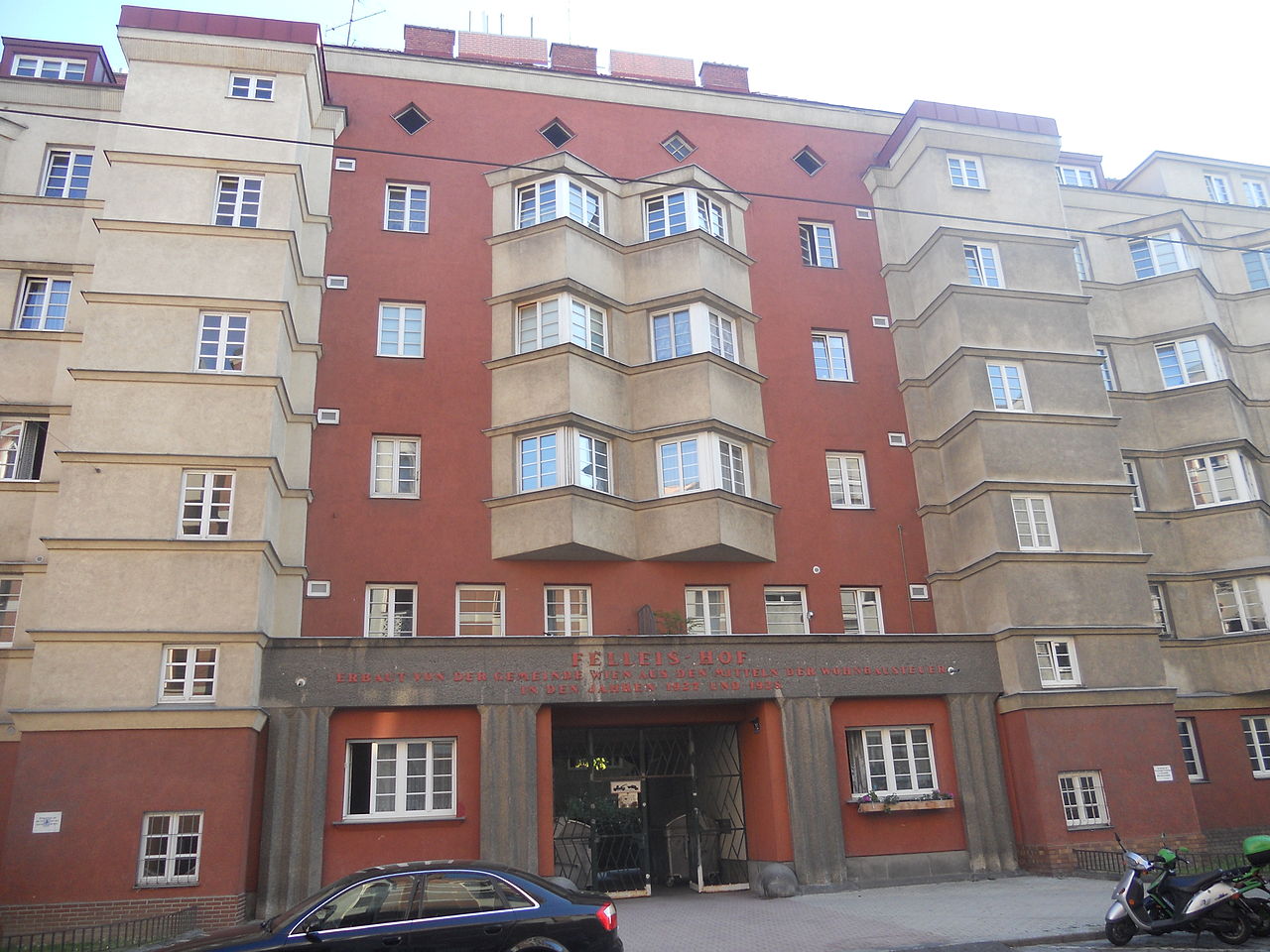
- Interwar economic and social strain: the new republic faced reconstruction, debt, and social demands that influenced politics and policy.
- July 1927 unrest: a prominent instance of violent confrontation between protesters and authorities that marked deep social divisions.
- Constitution and amendments (1920, 1929): foundational texts that defined institutions and later revised executive powers.
- Authoritarian reorganization and civil clashes (early 1930s): the republic's democratic practice was curtailed amid government measures against organized leftist opposition.
- Anschluss (1938): incorporation into Germany, the final loss of independence. Anschluss and the role of Nazi Germany are central to this outcome.
The First Austrian Republic remains an important chapter in Central European history because it illustrates the challenges faced by successor states after the collapse of multiethnic empires: economic reconstruction, new national boundaries, polarized politics and fragile democratic institutions. For further reading about the international settlement after the war and the wider European context, see summaries of the postwar treaties and of the later global conflict. Wider wartime context and modern geographical references, including the capital region coordinates, can be found through compendia and atlases. Location reference
More detailed study of parties, social movements and constitutional law offers insight into how the First Republic governed and why its democratic experiment was ultimately interrupted—lessons that scholars continue to analyze when considering the resilience of democratic institutions in times of crisis. Further context on neighboring regimes
Related articles
Author
AlegsaOnline.com First Austrian Republic (period after World War I until 1938) Leandro Alegsa
URL: https://en.alegsaonline.com/art/34513