
First Jewish–Roman War (The Great Revolt)
A concise overview of the First Jewish–Roman War (66–73 CE): origins, main campaigns, destruction of the Second Temple, aftermath and historical significance.
The First Jewish–Roman War, commonly called the Great Revolt, was a major uprising by Jews in the Roman province of Judaea against imperial rule that began in 66 CE and concluded with the fall of the last rebel strongholds in 73 CE. The conflict combined local religious and social tensions, resistance to Roman taxation and officials, and internecine Jewish factions. It ended with a Roman victory, the destruction of Jerusalem’s Second Temple and long-lasting changes to Jewish communal life.
Image gallery
10 Images




Origins and immediate causes
Longstanding friction between the Roman administration and Jewish residents escalated in the early 60s CE. Incidents in mixed cities, most famously in Caesarea, where communal riots and perceived insults to Jewish religion intensified anger, helped ignite wider revolt. Economic grievances and abusive actions by Roman procurators, including heavy taxation and confiscations, contributed to popular unrest. Outbreaks of violence involved Greek-speaking communities and tensions over public rituals, such as episodes in which non-Jewish groups made offerings near Jewish religious sites; these incidents are often cited as flashpoints for protest and wider rebellion (Greek, sacrifices, synagogues).
Major campaigns and turning points
Initial rebel successes led Roman authorities to send large forces. Early Roman setbacks included the defeat of the governor Cestius Gallus at the pass of Beth Horon, after which Emperor Nero dispatched Vespasian to suppress the uprising. Vespasian and his son Titus conducted systematic campaigns across Galilee and Judaea; important sieges and battles brought many fortified towns under Roman control. The historian-Flavian commander Josephus, who was captured during the campaign, provides much of the surviving narrative but is treated cautiously by modern historians for numerical claims (Josephus).
- Early victories and internal Jewish strife weakened coordinated resistance.
- Roman legions slowly reconquered countryside and isolated Jerusalem.
- Siege operations intensified under Titus, who led the final assault on the capital.
Siege of Jerusalem and the fall of the Temple
The siege of Jerusalem culminated in 70 CE with the breaching of the city walls, the sacking of the city and the burning and destruction of the Second Temple. Contemporary and later sources disagree about casualty and prisoner totals; Josephus reports very large figures that many scholars regard as exaggerated. The capture of the city marked a decisive end to organized resistance in the core province.
Final resistance and aftermath
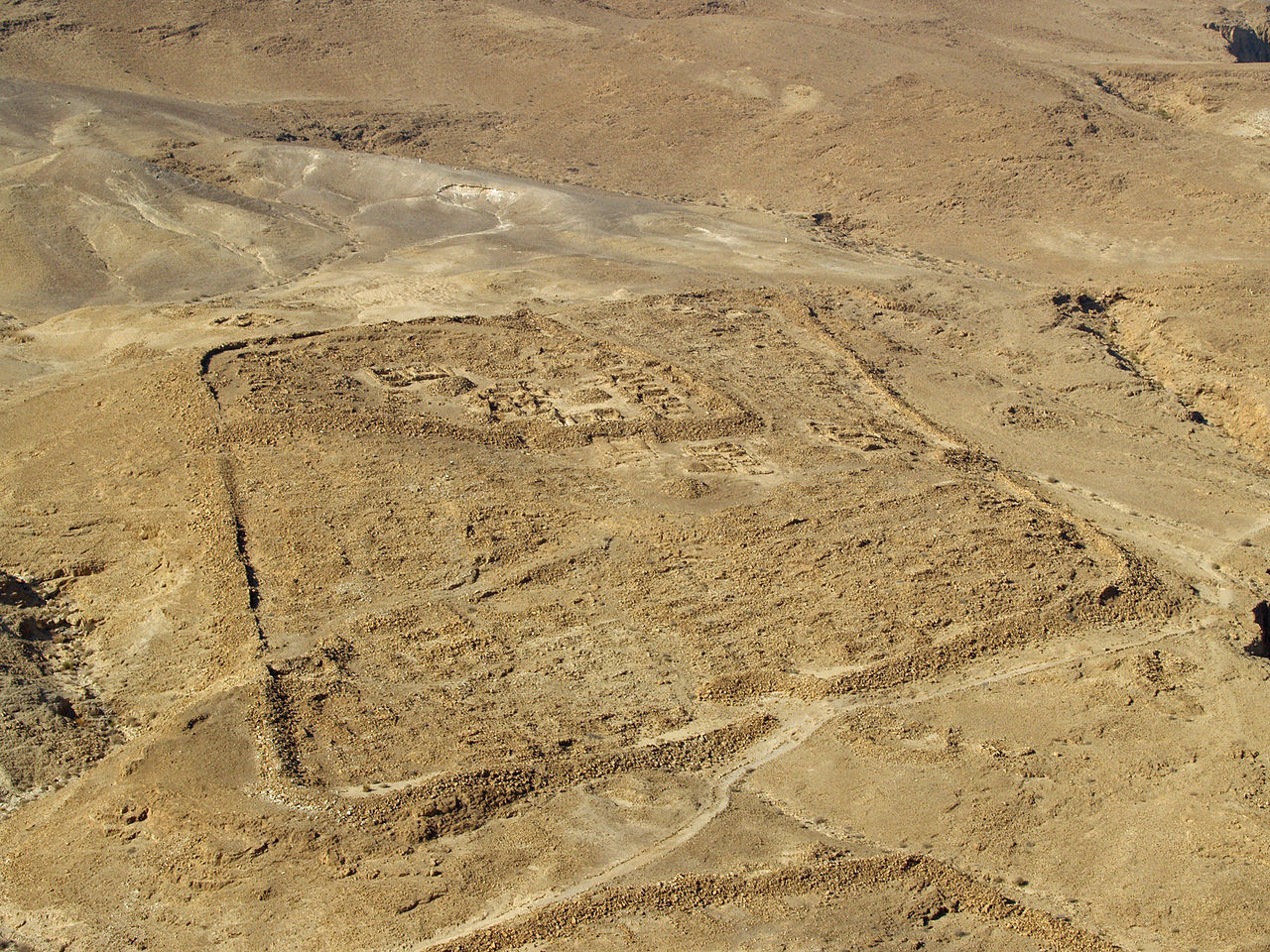
Small pockets of opposition continued for several years. The desert fortress of Masada held out until 73 CE; according to surviving accounts, when Roman troops breached its defenses they found the remaining defenders had died by collective suicide. Many survivors of the war were sold into slavery or dispersed. The conflict and its suppression accelerated a shift in Jewish life away from Temple-centered worship toward rabbinic leadership and synagogue-based practice.
Legacy and significance
The Great Revolt had wide-ranging consequences. Rome consolidated direct control over Judaea, and the revolt was commemorated in Roman art and monuments. The episode reshaped Jewish religious, social and political structures and became a pivotal event in Jewish memory and identity. For further background on the series of conflicts between Rome and Jewish populations, see overviews of the broader Jewish–Roman wars. For biographies and archaeological studies related to the campaigns and commanders, consult specialized works and sources linked to this article (Vespasian, Nero, Josephus). Additional references discuss the war’s material remains, commemorations and contested casualty figures (overview, Caesarea, sacrifices).
Questions and answers
Q: What was the First Jewish-Roman War?
A: The First Jewish-Roman War was the first and biggest of the Jewish–Roman wars in the Judaea province. It is often called The Great Revolt and happened from 66–70 AD, ending with the Empire winning.
Q: What caused religious tension between Greeks and Jews in Caesarea?
A: Religious tension between Greeks and Jews in Caesarea began when the Greeks sacrificed animals in front of a Jewish Synagogue. This resulted in the Jews ceasing sacrifices to the Roman Emperor.
Q: Who replaced General Gallus after his defeat at Beth Horon?
A: After General Gallus' defeat at Beth Horon, Emperor Nero replaced him with Vespasian who crushed the Northern and Southern leadership of the rebellion.
Q: How did Rome take Jerusalem during this war?
A: Rome besieged Jerusalem and breached its walls by 70 AD. Once they got into the walls, Roman soldiers burned and ransacked it, also destroying its Second Temple.
Q: What happened to those defending Masada?
A: When Roman soldiers broke through Masada's defences, they discovered all defenders had committed suicide.
Q: What happened to most Jews as a result of this war?
A: As a result of this war, most of the Jews in Judaea were scattered or sold into slavery.
Q: How many deaths were reported according to Josephus?
A: According to Josephus who was often wrong about numbers, over one million people died during this war.
Related articles
Author
AlegsaOnline.com First Jewish–Roman War (The Great Revolt) Leandro Alegsa
URL: https://en.alegsaonline.com/art/34562