
1809 — Year in history
A concise account of 1809, highlighting major military, political, scientific and cultural events worldwide, including Napoleonic battles, the Finnish transfer to Russia, and the births of Charles Darwin and Abraham Lincoln.
1809 was marked by intense military activity and political change as the Napoleonic Wars continued to reshape Europe while political life and culture evolved elsewhere. The year saw important battles on the Continent, state-level upheavals in Scandinavia, territorial rearrangements in northern Europe, and notable births that would later influence science and politics.
Image gallery
10 Images





Major political and military events
In central Europe the War of the Fifth Coalition pitted the Austrian Empire against Napoleon's French forces and their allies. The Austrians checked Napoleon at the Battle of Aspern-Essling (May 21–22), the first significant battlefield reverse for Napoleon in many years; he took revenge at the major engagement of Wagram (July 5–6), which led to Austria suing for peace. The subsequent Treaty of Schönbrunn (October 1809) imposed territorial losses and political concessions on Austria.
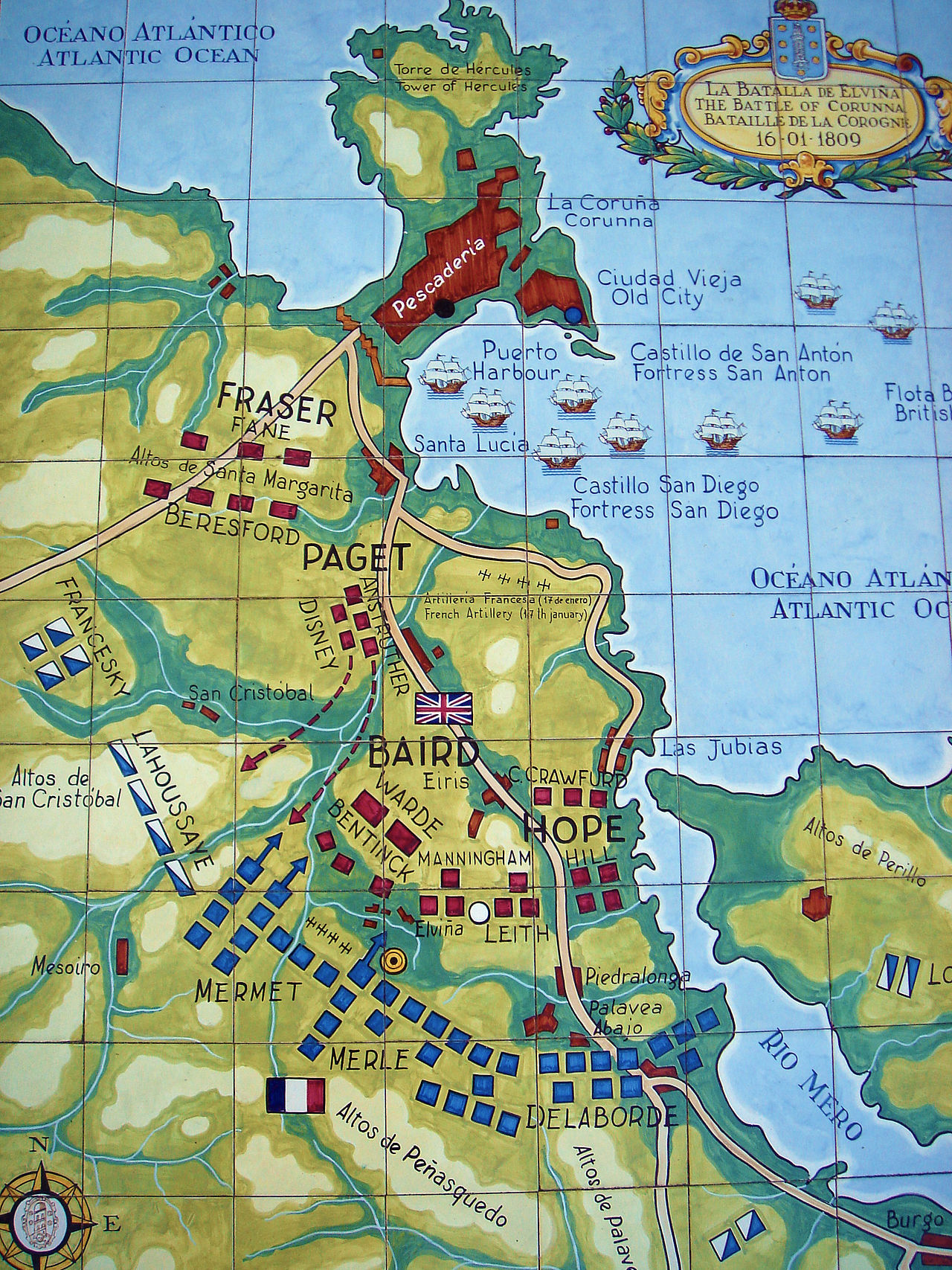
The Peninsular War in Iberia remained active: British and allied operations included the retreat culminating at Corunna (January) and the later allied victory at Talavera (July), demonstrating the long, attritional character of the campaign against French control in Spain and Portugal.
Northern Europe and constitutional change
1809 brought upheaval to Sweden: a coup deposed King Gustav IV Adolf, and debate over a new constitution produced the Instrument of Government later that year, limiting royal power and altering succession. In the east, the Finnish War between Sweden and the Russian Empire ended with the Treaty of Fredrikshamn (September 1809), by which Sweden ceded Finland to Russia; Finland thereafter became an autonomous Grand Duchy under the Russian emperor.
Americas and legislation
In the United States, Thomas Jefferson's successor James Madison was inaugurated as president in March 1809. Facing ongoing maritime tensions with Britain and France, Congress replaced the unpopular Embargo Act with the Non-Intercourse Act, which reopened trade selectively while continuing restrictions against the two great naval powers.
Culture, science and notable births and deaths
The year saw the birth of several individuals who later became prominent. Notable births include:
- Charles Darwin (February 12) — naturalist whose theory of evolution by natural selection reshaped biology.
- Abraham Lincoln (February 12) — future 16th President of the United States, central to the American Civil War and abolition of slavery.
- Edgar Allan Poe (January 19, commonly given) and Felix Mendelssohn (February 3) — figures in literature and music respectively.
Among significant deaths, the celebrated composer Joseph Haydn died in May 1809. The year also carried on important scientific and intellectual developments begun earlier, as Europe adjusted to the social and political disruptions of the Napoleonic era.
Legacy: 1809 stands as a year of military turning points and political realignments. The outcomes of campaigns and treaties that year affected the map and governance of northern and central Europe, while births and legal measures elsewhere would shape cultural and political life in later decades.
Related articles
Author
AlegsaOnline.com 1809 — Year in history Leandro Alegsa
URL: https://en.alegsaonline.com/art/111758