
Swedish language: overview, history, characteristics and usage
Comprehensive introduction to Swedish: its origins, sounds, grammar, dialects, uses, and notable features for learners and linguists.

The Swedish language is a North Germanic language primarily spoken in Sweden and in parts of Finland. It functions as the official language of Sweden and one of the national languages of Finland, with roughly nine million native speakers in total. Swedish occupies a central place within the Scandinavian linguistic area and is frequently studied by language learners because of its close relationship with other Scandinavian languages and its role in culture, media and administration.
Image gallery
8 Images




Overview and distribution
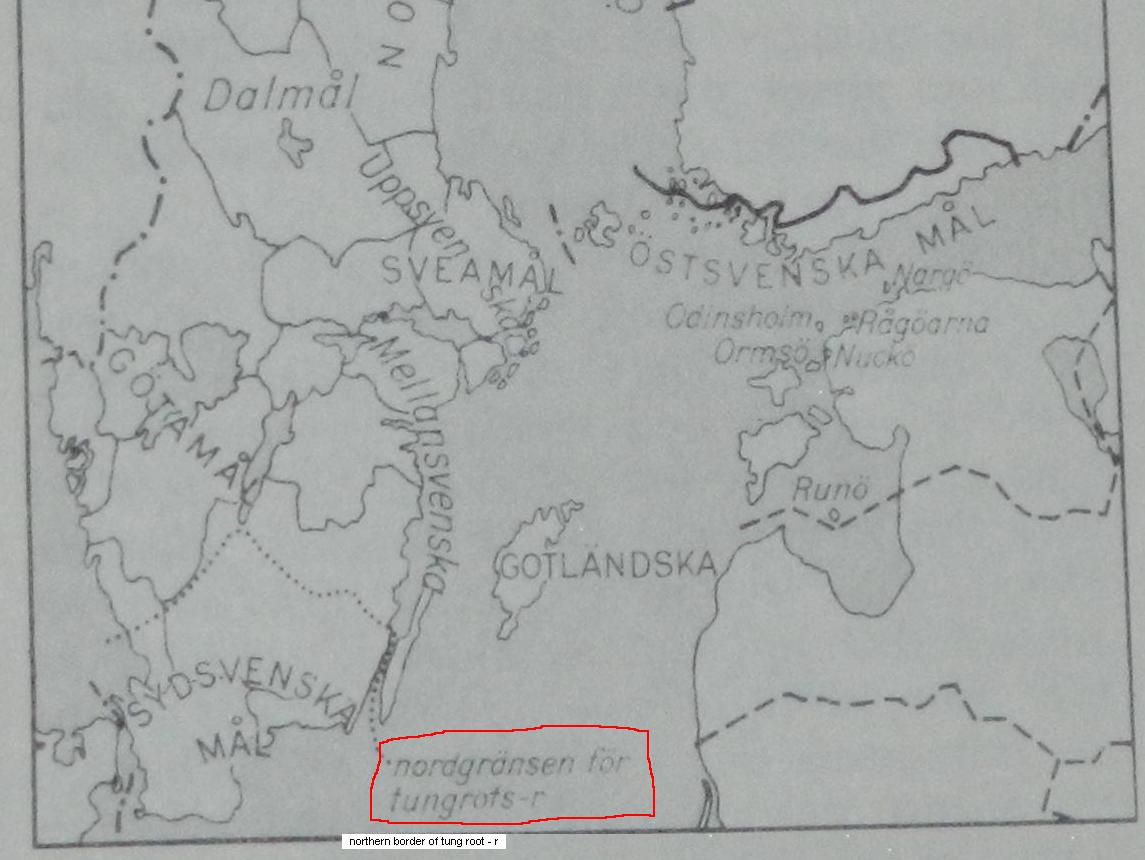
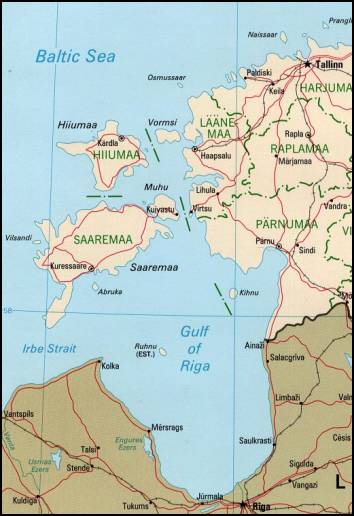
Standard Swedish is the variety commonly used in national media, education and official contexts, while regional dialects persist in rural and urban communities. In Finland, Swedish is spoken by a minority concentrated along the southern and western coasts and on the Åland Islands, where it has co-official status. The language is important for commerce, literature, and public life in Sweden and is taught internationally as a foreign language.
Alphabet, pronunciation and notable sounds
Swedish uses a 29-letter Latin alphabet that extends the basic English set with three extra vowels: å, ä and ö. These letters represent distinct vowel qualities and are not treated as diacritics. Vowel length and quality are phonemic, and Swedish also has a characteristic prosody including a pitch accent in many dialects. Sounds that often attract attention from learners are the front rounded vowels (represented by ö and å variants) and the alveolar trill or flap in different regional pronunciations.
Grammar and structure
Swedish grammar shares features with other Germanic languages but has its own patterns. Definite meaning is commonly expressed by a suffix attached to the noun (for example, hus "house" → huset "the house"). The language has two grammatical genders — Common and Neuter — often referred to in learner materials as "en" and "ett" words. Word order in main clauses is generally subject–verb–object, but Swedish also exhibits the V2 (verb-second) constraint affecting clause structure. Articles, adjectives and pronouns show agreement in gender and number in predictable ways.
Dialects and mutual intelligibility
Within the North Germanic family, Swedish is most closely related to Norwegian and Danish; speakers of these three languages frequently understand one another to varying degrees, especially in written form. Other Scandinavian varieties such as Icelandic and Faroese are more conservative and less mutually intelligible with Swedish. Regional Swedish dialects may preserve older grammatical forms and vocabulary, and some rural varieties can be challenging even for native speakers of standard Swedish.
History and development
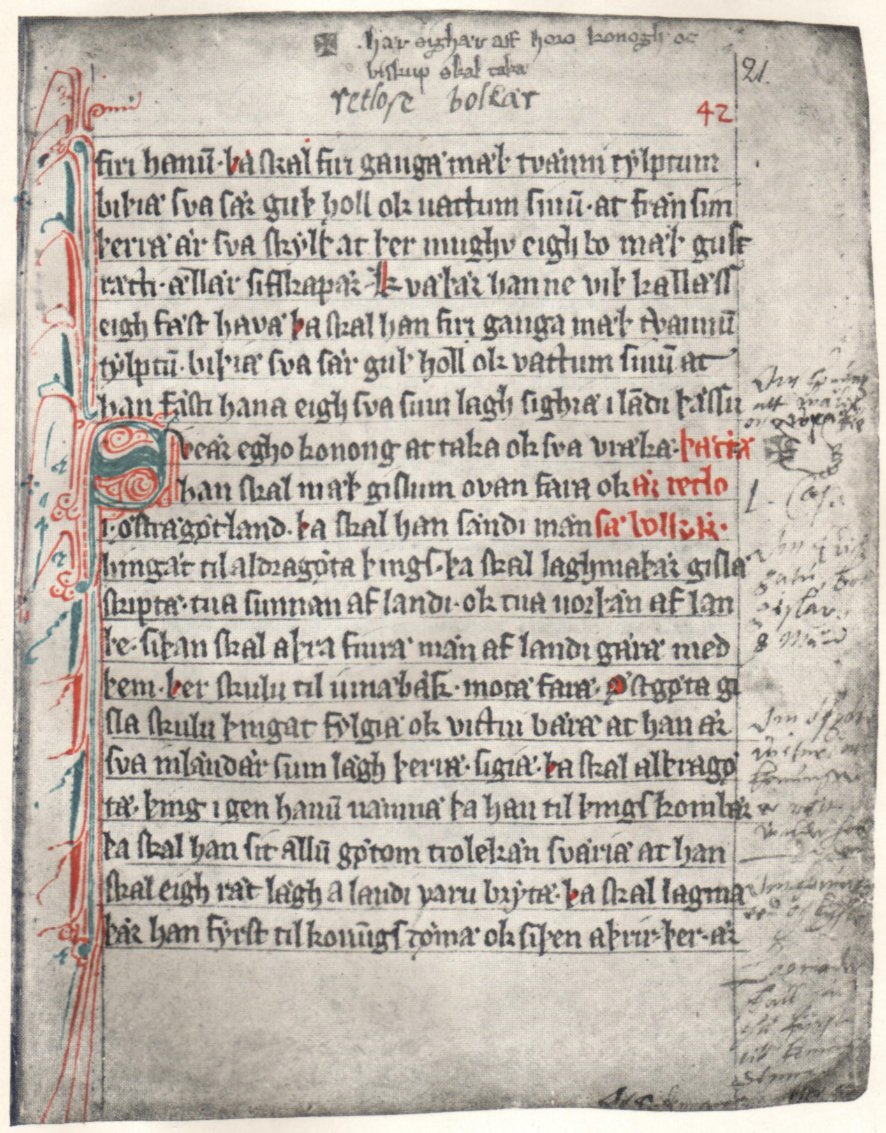
Swedish descended from Old Norse, the common language of Scandinavia during the Viking Age. Over centuries the eastern dialects evolved along their own path, influenced by contacts with Baltic and German-speaking merchants, especially during the medieval Hanseatic period. Standardization accelerated with the advent of printing and with the 16th-century translations of religious texts, and modern Swedish continues to reflect historical layers alongside contemporary innovations driven by media, education and international contact.
Uses, learning and cultural importance
Swedish is used in government, education, literature, film and popular music. It is a working language of many Nordic institutions and is of practical use in business across the region. For learners, Swedish can be an accessible gateway to other Scandinavian languages due to lexical and grammatical similarities. Pronunciation, article placement on nouns, and gender assignment are typical early challenges; immersion through media and conversation is often recommended.
Notable facts and distinctions
- Swedish marks definiteness on the noun rather than using a separate definite article before it.
- There are three additional vowels in the alphabet: å, ä and ö, which change word meaning.
- Two grammatical genders (Common and Neuter) differ from the three-gender systems of some other Germanic languages.
- Mutual intelligibility with Danish and Norwegian varies and depends on whether speech or writing is compared.
Further reading and resources
For introductions, reference grammars, dialect maps and language courses, consult a range of resources:
- General overview of Swedish
- Swedish in Sweden
- Swedish-speaking areas in Finland
- Scandinavian languages
- Norwegian: relation to Swedish
- Danish: relation to Swedish
- Icelandic and historical background
- Faroese and its distinctions
- Standard and written Swedish
- Dialectal variation in Sweden
- Swedish grammar overview
- Vocabulary and loanwords
- Viking Age and Old Norse
- English and historical contacts
- German influence on Swedish
- Relation to Dutch
- Hanseatic trade and language contact
- Medieval developments
- Contacts with German-speaking regions
- Swedish vowel descriptions
- Finnish and shared characters
- Definite forms in Swedish
- Suffixation of articles
- Noun categories and usage
- Gender system in Swedish
This article provides a concise but rounded introduction to Swedish. For language learners the practical next steps are listening to native speech, studying basic grammar, and practicing reading and writing in varied contexts.
Questions and answers
Q: What language is mostly spoken in Sweden?
A: Swedish (svenska) is the language mostly spoken in Sweden.
Q: How many people speak Swedish?
A: More than nine million people speak Swedish.
Q: Can a person who speaks one Scandinavian language understand the others?
A: Yes, a person who understands one of the other Scandinavian languages, such as Norwegian and Danish, can understand the others.
Q: Are there any local dialects of Swedish?
A: Yes, there are some local dialects with differences in grammar and vocabulary in small towns and rural areas.
Q: What is the origin of Swedish?
A: Swedish began as a dialect of Old Norse, which was a language that everyone in Scandinavia understood during the Viking Age. Around the 12th century it slowly became different from other dialects.
Q: Are there any characters used in Swedish that are not used in English?
A: Yes, there are three characters used in Swedish that are not used in English - å, ä and ö.
Q: What grammatical gender does Swedish use?
A: In addition to Common and Neuter genders, which differ from English grammar rules, nouns also have definite articles suffixed onto their ends for further distinction between them.
Related articles
Author
AlegsaOnline.com Swedish language: overview, history, characteristics and usage Leandro Alegsa
URL: https://en.alegsaonline.com/art/95475