
Fiat G.50: Italian WWII Single-Seat Fighter
Compact overview of the Fiat G.50 'Freccia', an Italian single‑engine, single‑seat WWII fighter: design, service history, operators, variants and its role in early air combat.
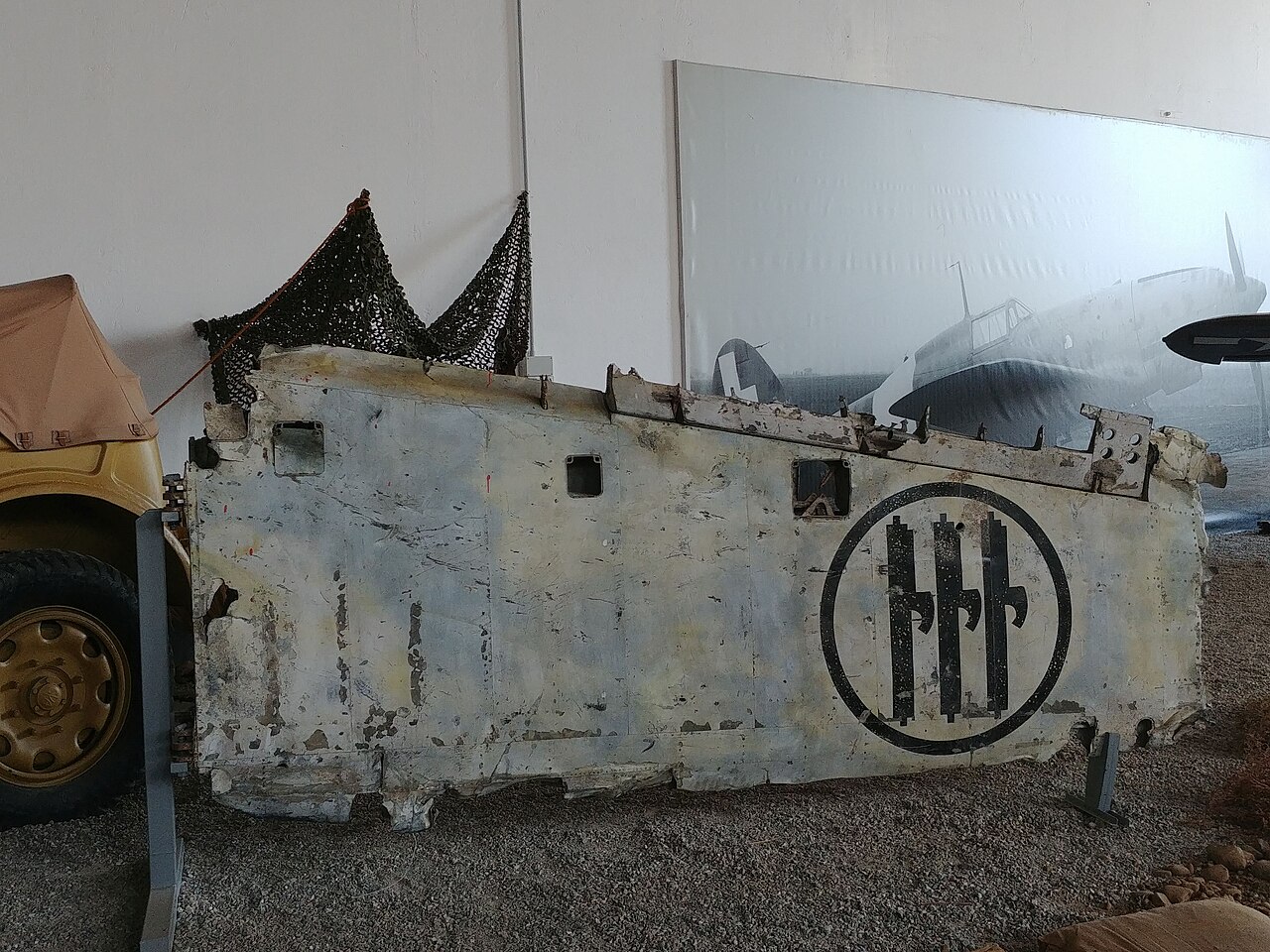
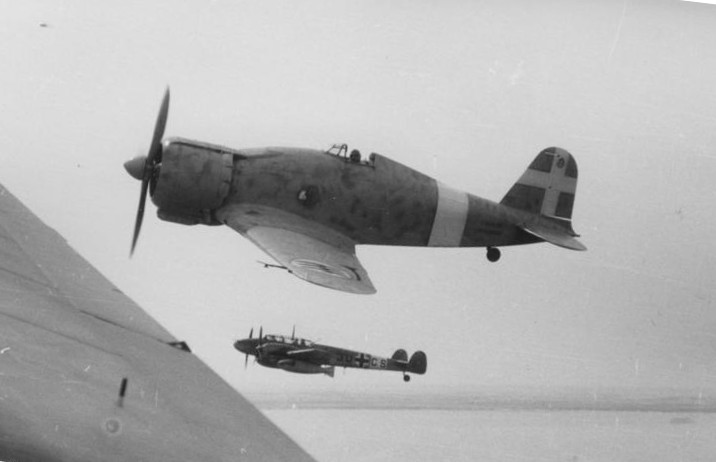
The Fiat G.50, often called the "Freccia" (Arrow), was a single‑seat, single‑engine monoplane fighter produced by the Italian company Fiat in the late 1930s. Designed by Giuseppe Gabrielli, it became one of the Regia Aeronautica's first modern cantilever monoplanes to be used in the early years of World War II. Its appearance marked a shift away from biplane types to more streamlined, metal‑skinned fighters.
Image gallery
9 Images



Design and characteristics
The G.50 used a radial engine in a relatively compact fuselage and carried a pilot in a single cockpit. Early production examples had an open cockpit; later subtypes introduced an enclosed canopy. Armament was modest by later wartime standards, typically two 12.7 mm (0.50 in) machine guns mounted in the wings or fuselage. The aircraft emphasized maneuverability and sturdiness rather than heavy armament or long range.
Operational history
Introduced before large‑scale aerial combat had fully evolved, the G.50 saw action in several theatres where Italy and its allies fought. It served with the Regia Aeronautica in Mediterranean operations and was exported or otherwise delivered to a number of foreign users. In frontline service it was gradually outclassed by newer enemy fighters but remained in use for patrol, interception and training roles through the early war years.
Operators
- Italy — principal operator and developer.
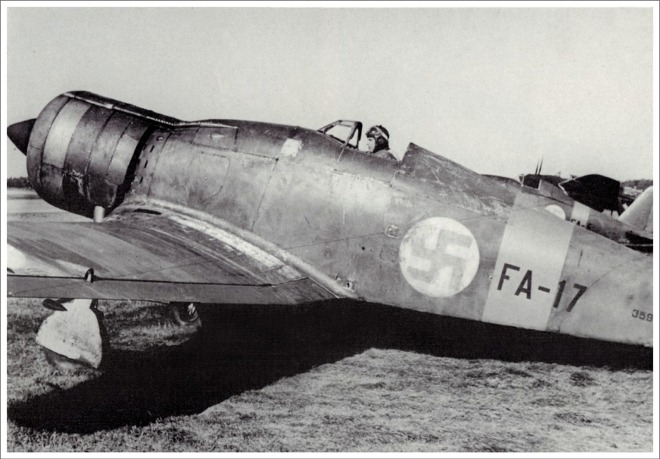
- Finland — used in combat against the Soviet Union.
- Croatia — operated examples during the wartime period.
- Germany (Nazi Germany) — operated or captured examples were flown by Luftwaffe units in limited roles.
- Spain — received examples and used some in the post‑civil war era.
- Yugoslavia — operated a small number prior to or during early conflict.
Variants and legacy
Producers developed improved versions to address cockpit comfort, pilot protection and powerplant performance; these later marks sometimes featured enclosed canopies and other incremental changes. The G.50 is remembered as a transitional design: a competent early monoplane that reflected 1930s aerodynamic thinking, but one that highlighted how rapidly fighter technology advanced with the outbreak of full modern air war.
Further reading
- Technical summaries and specifications
- Service records and unit histories
- Photographs and restoration projects
- Comparative studies with contemporary fighters
- Accounts of Finnish use and modifications
Notable facts: The G.50's light armament and limited range meant it was soon overtaken by developments elsewhere, but its role in several air forces and its place in the transition from biplanes to modern monoplanes secure it a place in early WWII aviation history.
Related articles
Author
AlegsaOnline.com Fiat G.50: Italian WWII Single-Seat Fighter Leandro Alegsa
URL: https://en.alegsaonline.com/art/34155