
Fiat G.91 — Italian light fighter and ground-attack jet
Compact Italian single‑engine jet developed for a NATO light fighter requirement; used as a fighter, attacker and trainer by Italy, West Germany and Portugal and later evolved into twin‑engine variants.
Overview
The Fiat G.91 is a compact, single‑engine military jet developed in Italy to meet a NATO requirement for a lightweight tactical fighter and ground‑attack aircraft. Designed to be simple, rugged and inexpensive to operate, the G.91 served as a frontline light strike aircraft and as a trainer in several European air forces. Its small size and straightforward construction made it attractive for close air support and short‑field operations.
Image gallery
10 Images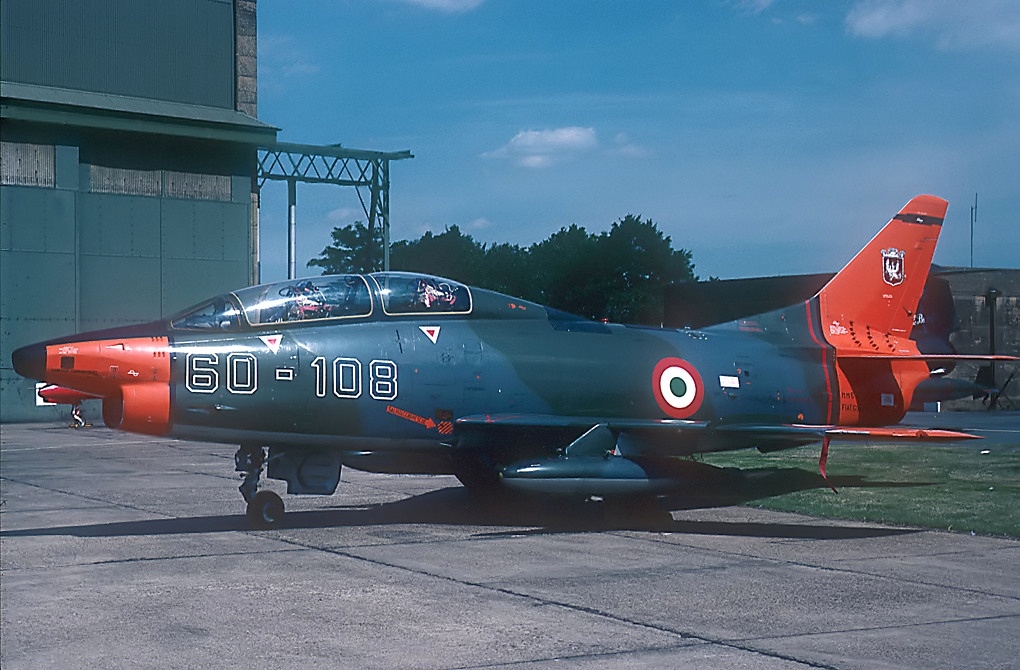


Design and characteristics
The G.91 features a single turbojet, a relatively small swept wing planform and a conventional tail. It was built with multiple hardpoints for bombs, rockets or external fuel tanks and could carry tactical reconnaissance equipment in specialised versions. The basic design emphasized ease of maintenance, short takeoff and landing performance and good handling at low altitude.
- Manufacturer: Fiat (Italian aerospace industry)
- Propulsion: single turbojet engine
- Airframe: compact, swept wings, multiple ordnance stations
- Roles: light attack aircraft, close air support, trainer and reconnaissance
Development and service history
The G.91 was produced after winning a NATO competition seeking a standard light fighter for member nations. Development took place in the mid‑20th century and the type entered service with several air arms in the decades that followed. Production and operational use were concentrated in Italy, West Germany and Portugal, where it performed both tactical strike and training duties. The aircraft remained in service for many years and examples have been preserved in museums and collections.
Variants and operational roles
Several variants adapted the basic G.91 to different missions: two‑seat trainers for conversion training, reconnaissance versions fitted with cameras and a later evolved model that used twin engines to improve performance and payload. Crews valued the type for its low operating cost, nimble handling and suitability for dispersed operations near the front line.
Notable facts and legacy
The G.91 is often cited as an early postwar example of a deliberately lightweight tactical jet designed for NATO interoperability and economy. It demonstrated how a small, purpose‑built platform could fulfil strike, reconnaissance and training roles without the complexity of larger fighters. The aircraft influenced later light attack designs and remains of interest to historians and aviation enthusiasts.
Further reading: competition context at NATO competition, technical discussions of jet development and national service summaries in aircraft design studies.
Related articles
Author
AlegsaOnline.com Fiat G.91 — Italian light fighter and ground-attack jet Leandro Alegsa
URL: https://en.alegsaonline.com/art/34156