
Navarre (Navarra) — Autonomous community in northern Spain
Navarre is a historic, culturally diverse region in northern Spain known for its Pyrenean landscapes, the city of Pamplona and preserved foral institutions that shape its autonomy and identity.
Overview
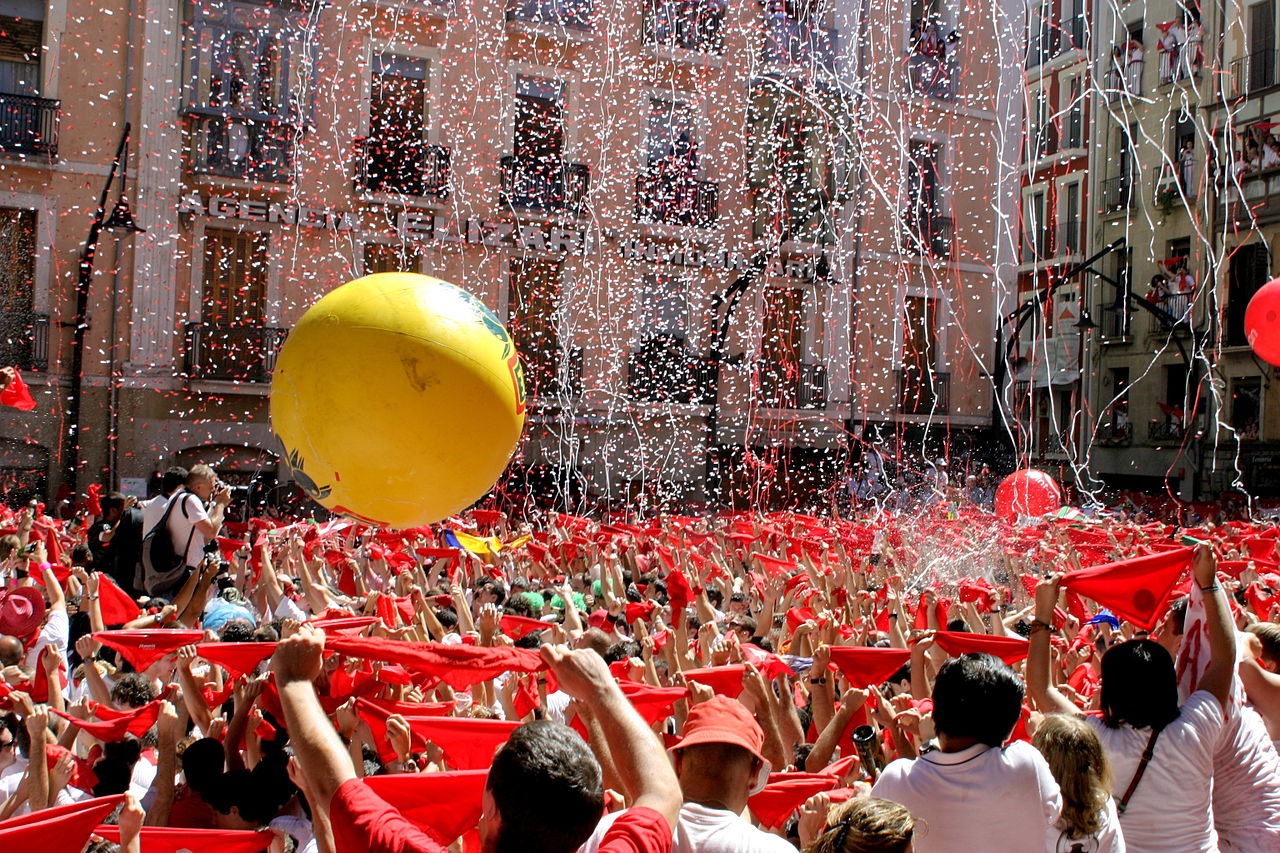
Navarre (Navarra in Spanish; Nafarroa in Basque) is an autonomous community in northern Spain. It stretches from the western Pyrenees to the Ebro valley and combines mountainous areas, rolling foothills and fertile plains. The region's capital is Pamplona, internationally known for the annual San Fermín festival and the running of the bulls. Navarre's status as an autonomous community reflects a special historical and legal tradition within Spain that includes distinct fiscal and institutional arrangements.
Image gallery
10 Images






Geography and subdivisions
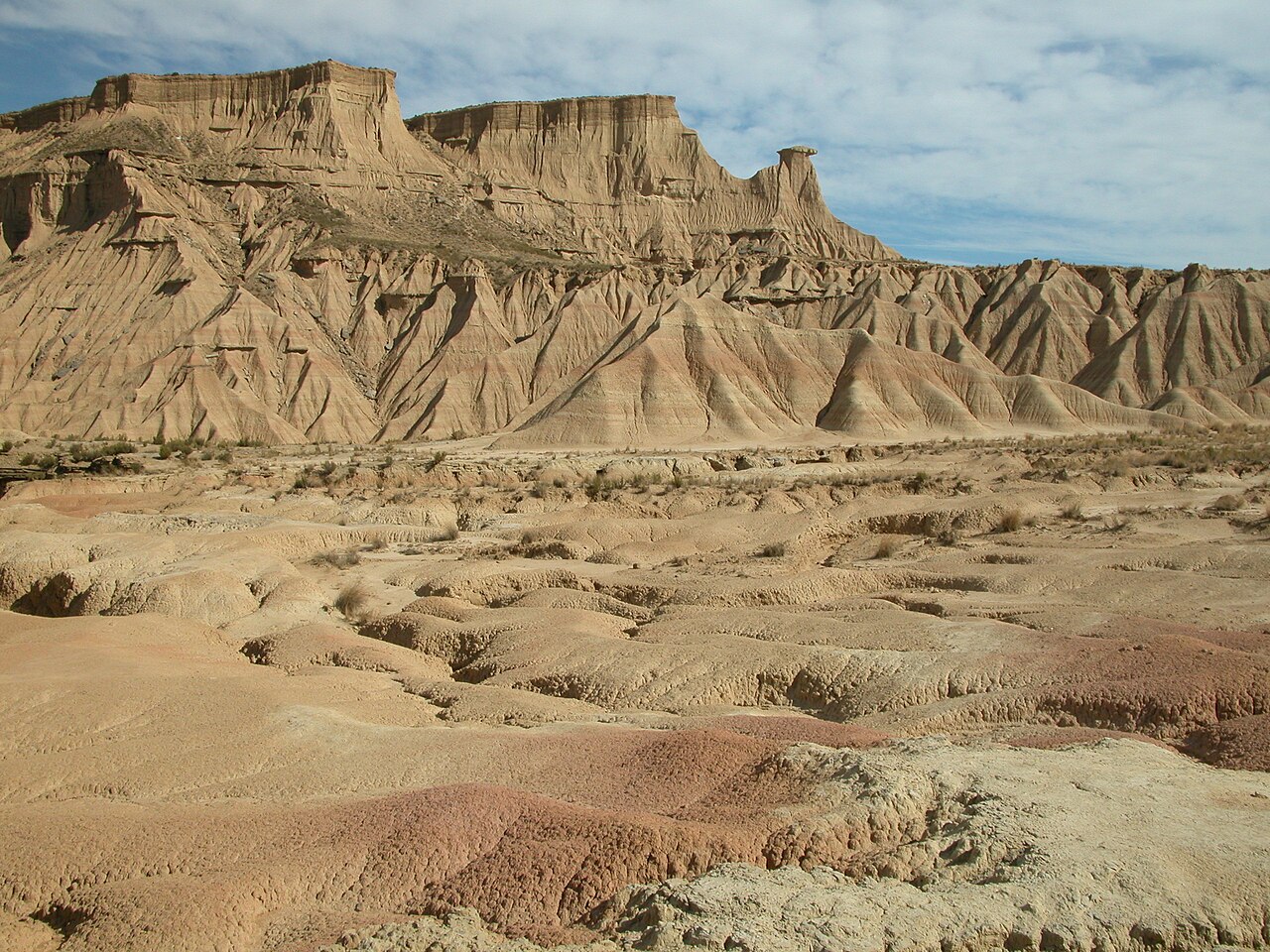
Navarre's landscape varies markedly from north to south: the high, forested Pyrenees to the north give way to the agriculturally productive Ebro basin in the south. Administrative divisions include several historical merindades and modern comarcas; important urban centers beside Pamplona include Tudela, Tafalla and Estella. The region borders other Spanish communities and the French département across the Pyrenees.
History and identity
Navarre's roots lie in the medieval Kingdom of Navarre, a polity that at times extended across both sides of the Pyrenees. Over centuries its territory and sovereignty changed through dynastic unions and treaties, and a sizeable part was eventually integrated into the Crown of Castile and, later, modern Spain. Navarre retains a strong regional identity shaped by these historical layers, local laws known as fueros, and a cultural blend of Basque and Romance influences.
Government, economy and rights
Navarre is governed under Spain's system of autonomous communities but preserves foral privileges that affect taxation and administration. Its economy is diverse: agriculture (fruit, vegetables, cereals), industry (automotive components, food processing) and services centered on Pamplona all play roles. Recent decades have seen investment in technology, renewable energy and logistics, contributing to comparatively high standards of public services.
Culture, language and festivals
Cultural life in Navarre ranges from rural Basque-speaking traditions in the north to Romance-language customs in the south. Basque (Euskara) has official status in parts of the region, while Spanish is widely used. Navarre hosts notable festivals such as the San Fermín celebrations in Pamplona and numerous local fairs, pilgrimages and gastronomic events that reflect its mixed heritage.
Tourism, notable places and distinctions
Visitors are drawn to Navarre for mountain hiking, historic towns, medieval churches and the Camino de Santiago routes that cross the territory. Notable places include Pamplona, the cathedral and citadel areas, the medieval streets of Estella, the Ebro valley around Tudela, and scenic valleys in the Pyrenees. The region is often described as a "chartered" or foral community because of its special legal status within Spain, a distinction that shapes local governance and civic life.
- Pamplona (Iruña) — capital and cultural hub
- Tudela and the Ebro basin — agriculture and history
- Pyrenean valleys — nature, hiking and rural traditions
For more administrative or travel details consult regional sources and official publications to explore current policies, language zones and visitor information.
Related articles
Author
AlegsaOnline.com Navarre (Navarra) — Autonomous community in northern Spain Leandro Alegsa
URL: https://en.alegsaonline.com/art/68838