
Great power (international relations)
A state with broad capacity to shape international politics through economic, political and military means; combines hard and soft power, global reach and recognized influence.
A great power is a state whose resources, institutions and reach enable it to influence outcomes well beyond its borders. The term denotes a level of capacity and international recognition that allows a state to shape diplomatic settlements, economic rules and security arrangements across regions or globally. A great power typically combines substantial economic weight, persuasive political influence and credible military capability, while also exercising cultural and institutional forms of soft power.
Image gallery
7 Images

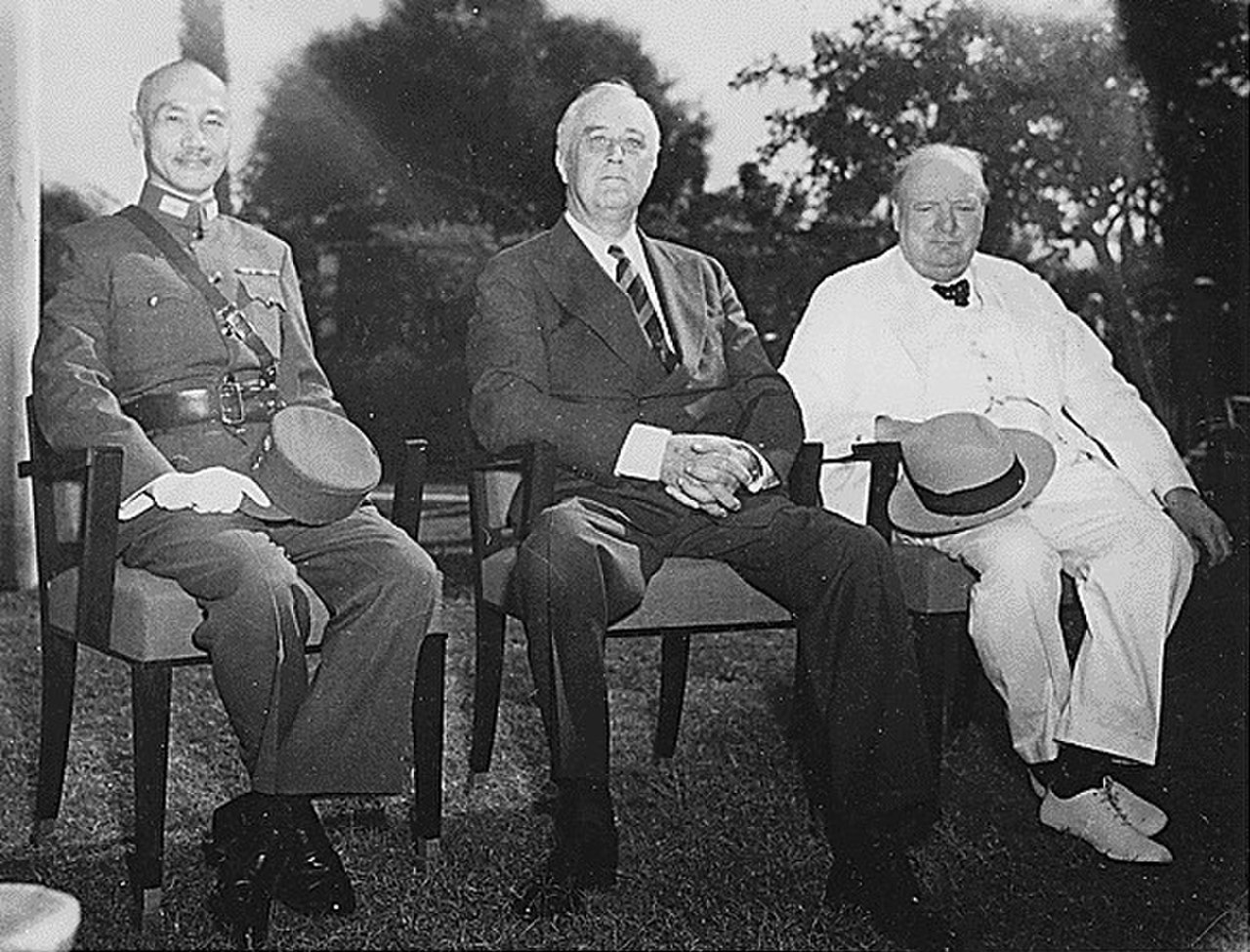


Core characteristics
- Material capabilities: a large economy, advanced technology base and military forces that can be deployed or projected beyond the immediate neighbourhood. Such capacity often includes maritime forces, airlift, logistics and command-and-control systems that enable sustained operations.
- Political reach: sustained diplomatic networks, leadership roles in multilateral institutions and the ability to shape coalitions and agendas. A great power’s positions are commonly taken into account by other nations and states before major decisions.
- Economic leverage: large markets, investment networks and tools such as sanctions, trade policy and financial influence that can alter other countries’ choices and economic trajectories; elements often described broadly as economic power.
- Military credibility: forces and doctrines that provide options for coercion, deterrence or intervention. Military strength remains a central component of a state’s ability to act as a military guarantor or to shape security outcomes.
- Soft power and normative influence: cultural exports, education, diplomacy and institutional leadership that generate attraction or consent in other societies and support a state’s broader aims; often summarized as cultural influence.
Measurement and assessment
Scholars and practitioners assess great-power status using a mix of quantitative and qualitative indicators: gross domestic product, technological and industrial capacity, defense budgets and force structure, nuclear or strategic capabilities, population size, geographic position, and alliance networks. Analysts also examine intent and willingness to use influence, because capacity without political will may limit global effect. Institutional recognition—such as prominent roles in international organisations—reinforces reputational aspects of status.
Historical evolution
The concept emerged in European diplomacy during the 18th and 19th centuries as certain states acquired modern bureaucracies, industrial economies and standing armies. Over time, wars, revolutions, imperial expansion and economic change have shifted which polities were regarded as great powers. In the post–World War II order, a small set of states became embedded in multilateral structures; five of these hold permanent seats on the UN Security Council, which both reflects and consolidates their status.
Contemporary dynamics and debates
Today the label is contested and dynamic. New domains such as cyber, space and information influence how power is exercised, and transnational economic interdependence complicates purely coercive approaches. Some states possess exceptional economic weight but limited ability to project power globally, while others maintain military reach but face economic or demographic constraints. Analysts therefore distinguish between great-power potential (capacity) and great-power practice (behaviour).
Roles, limits and examples
Great powers often act as security guarantors, mediators and patrons in regional conflicts; they provide international public goods, shape rules of trade and finance, and invest abroad. However, their influence is not absolute: balancing behaviour by other states, alliance politics and domestic constraints can check their options. Broad lists of great powers vary by method and period; for contemporary reference, seven are commonly members of the G7 and five are permanent members of the UN Security Council.
For further reading, consult materials on national power, grand strategy and diplomatic history to understand how economic measures, military deployments and normative leadership combine to produce sustained international influence. Debates continue about how institutions adapt to shifts in capability and technology.
nation | state | economic | political | military | superpower | diplomatic | cultural | UN Security Council
Questions and answers
Q: What is a great power?
A: A great power is a nation or state that has significant economic, political, and military strength and is able to influence other states around the world.
Q: How does a great power differ from a superpower or hyperpower?
A: A great power is less powerful than a superpower or hyperpower. It has lesser influence and its opinions are taken into account by other nations before taking diplomatic or military action.
Q: What is the characteristic unique to great powers?
A: Great powers have the capability to intervene militarily in almost every region.
Q: What other factors do great powers possess?
A: Great powers have cultural, soft power, and economic investments in less developed countries they push towards development.
Q: Is there an absolute number of great powers?
A: There is no definite list of great powers, but five permanent members of the United Nations Security Council and seven members of the G7 are generally considered to be great powers.
Q: What are the criteria to be classified as a great power?
A: The criteria to be a great power are having significant economic, political, and military strength, as well as the power to influence other nations.
Q: How do great powers impact international diplomacy?
A: Great powers play a significant role in international diplomacy as their opinions are valued and taken into account by other nations before taking diplomatic or military action.
Related articles
Author
AlegsaOnline.com Great power (international relations) Leandro Alegsa
URL: https://en.alegsaonline.com/art/40535
Sources
- encarta.msn.com : "Great Powers" · webcitation.org
- books.google.com : "Great+power" The world we want
- google.com : "Great+power" Balance of Power
- washington.edu : "University of Washington Press - Books - Korea's Future and the Great Powers"
- pinr.com : "PINR – Uzbekistan and the Great Powers"
- yaleglobal.yale.edu : Yong Deng and Thomas G. Moore (2004) "China Views Globalization: Toward a New Great-Power Politics?" The Washington Quarterly
- web.stratfor.com : "The Geopolitics of China"
- reuters.com : "World powers to start work on Iran sanctions: envoys"
- books.google.com : Canada Among Nations, 2004: Setting Priorities Straight
- books.google.com : The right to self-determination under international law : "selfistans", secession and the rule of the great powers
- jstor.org : "Reviews of Books: Power in Europe? Great Britain, France, Italy and Germany in a Postwar World, 1945-1950"
- doi.org : 10.1093/ehr/CIII.CCCCVI.154
- worldcat.org : 0013-8266
- foreignaffairs.com : "The Long War Against Corruption"