
Aragon: geography, history and culture of the Spanish community
Aragon is an autonomous region in northeastern Spain with a mountainous north, three provinces and a rich medieval history as the Kingdom of Aragon; notable for its languages, architecture and river valleys.
Aragon is an autonomous community situated in the northeast of Spain. Its traditional names reflect the region's linguistic diversity: in Aragonese it is Aragón, in Spanish Aragón, and in parts of the east in Catalan it appears as Aragó. The modern community largely corresponds to the territory of the medieval Kingdom of Aragon and takes its name from the Aragón river, a tributary of the Ebro.
Image gallery
10 Images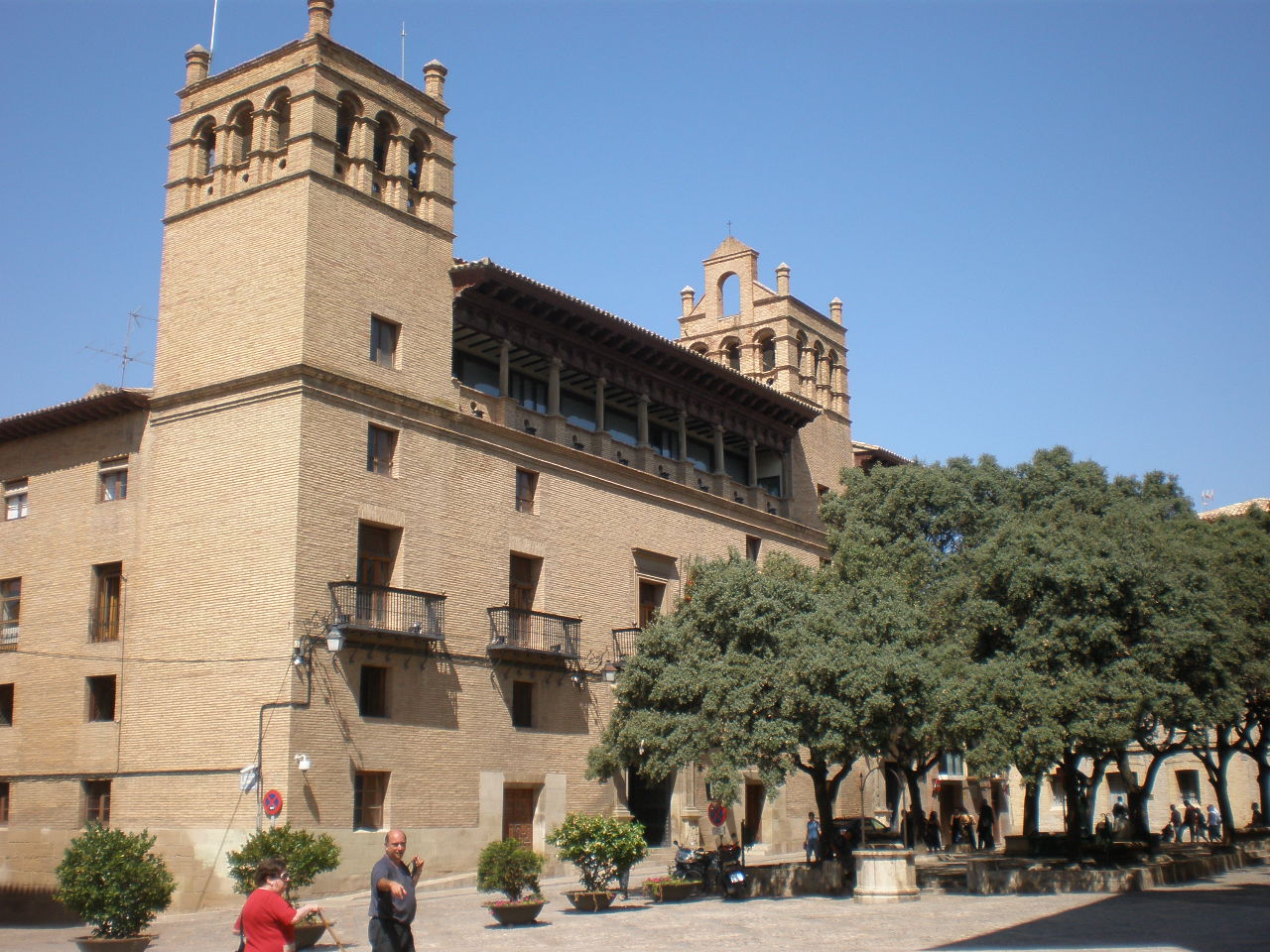


Administrative divisions and landscape
Aragon is organised into three provinces, running roughly from the Pyrenees toward the central plateau: Huesca in the north, Zaragoza in the centre and Teruel to the south. The city of Zaragoza serves as the region's capital and principal urban centre. Geographically the community includes high mountains in the Pyrenees, river valleys carved by the Ebro and its tributaries, and drier plains and plateaus toward the south.
History and development
The area has a layered history: Roman, Visigothic and Islamic presences preceded the rise of the medieval Kingdom of Aragon, which became an important political and maritime power in the Mediterranean during the Middle Ages. Over centuries the territory was incorporated into the Spanish state; in the late 20th century Aragon gained its present autonomous statute, establishing regional institutions and competencies within Spain's constitutional framework.
Language, culture and notable features
Aragon's cultural landscape combines Castilian Spanish influence with local traditions. Indigenous languages such as Aragonese and varieties of Catalan survive in rural and border areas and there is a strong folk heritage of music, festivals and cuisine. Architecturally the region is noted for its Mudéjar monuments—a blend of Islamic and Christian styles—historic churches, Romanesque buildings in mountain areas and important civic sites in Zaragoza.
Economy, transport and land use
The economy mixes agriculture (irrigated valleys and cereal plains), industry concentrated around urban centres, energy production and services. Transport links radiate from Zaragoza, a rail and road hub between Madrid, Barcelona and Bilbao, while mountain roads serve smaller communities. Water from the Ebro basin remains crucial for irrigation and local industry.
Tourism and contemporary importance
Visitors are drawn by outdoor opportunities in the Pyrenees, historical towns, religious and civil monuments and annual festivals such as the Fiestas del Pilar in Zaragoza. Rural tourism, cultural routes and conservation of mountain landscapes are increasingly prominent in regional planning. Aragon remains significant for its historical identity, geographic variety and its role linking Iberian interior and Mediterranean regions.
Questions and answers
Q: What is Aragon?
A: Aragon is an autonomous community in the northeast of Spain.
Q: How many provinces does Aragon have?
A: Aragon has three provinces (from north to south): Huesca, Zaragoza and Teruel.
Q: What is the capital of Aragon?
A: The capital of Aragon is Zaragoza (sometimes called Saragossa in English).
Q: What are the various dialects spoken in Aragon?
A: In the various dialects of Spain it is spoken as follows: in Aragonese it's "Aragón"; in Spanish it's "Aragón"; and in Catalan it's "Aragó".
Q: Where did the name 'Aragon' come from?
A: The name 'Aragon' comes from the Aragón river, a tributary of the Ebro.
Q: What area does Aragon cover?
A: Arragon covers the area of the medieval Kingdom of Aragon.
Related articles
Author
AlegsaOnline.com Aragon: geography, history and culture of the Spanish community Leandro Alegsa
URL: https://en.alegsaonline.com/art/5158
Sources
- ine.es : "INEbase / Estadísticas territoriales"
- boe.es : "Estatuto de Autonomía de Aragón"
- aragon.es : "Datos básicos de Aragón - Territorio"
- iberianature.com : "Climate of Aragon"
- ine.es : "INEbase / Población por provincias y sexo"